Can Huskies Handle Hot Weather? A Care Guide
Huskies look like they belong in a snowstorm, so it is fair to wonder how they cope when summer arrives. The good news: plenty of huskies live happy lives in warm climates. The catch: that famous coat changes the rules, and a few mistakes can put a husky in real danger. Here is how to keep yours cool and safe.
Key takeaways
- Never shave a husky. The double coat blocks heat and sun as well as it holds warmth in.
- Brush the undercoat out instead, so air can move through the coat.
- Huskies overheat sooner than short-coated breeds and will run past their own limit.
- Shift exercise to dawn and after sunset. Timing does more than any gadget.
- Huskies genuinely can live in hot states, as long as you manage the heat rather than ignore it.
The double coat cuts both ways
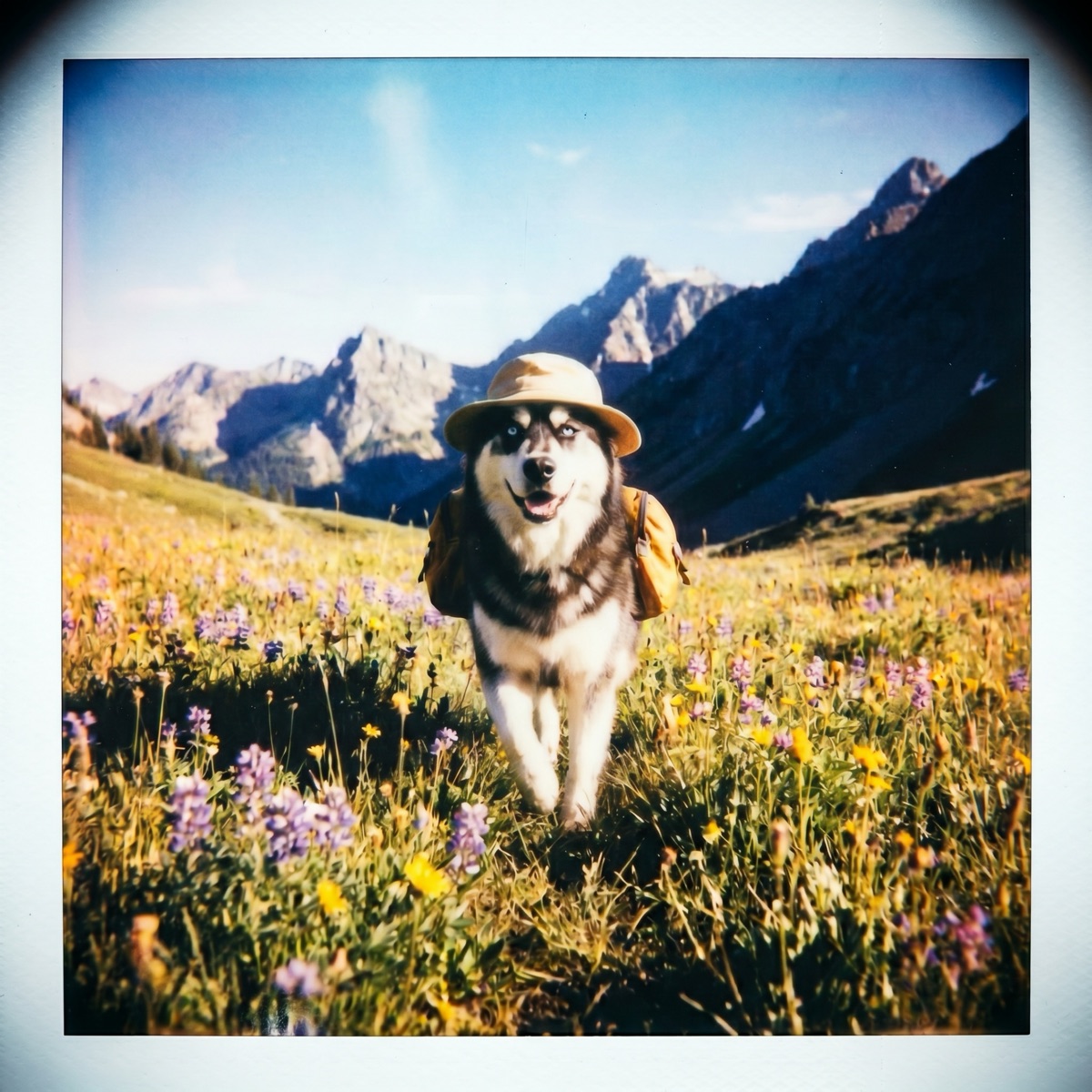
A Siberian husky's coat is not just for looks. It is a double coat: a dense, woolly undercoat under a layer of longer guard hairs. People assume all that fur must be miserable in summer, but the coat is actually a two-way insulator. It traps warm air against the body in winter and helps block heat and sun from reaching the skin in summer. The American Kennel Club's Siberian husky breed profile describes that thick double coat and the heavy seasonal shedding that comes with it.
This leads to the single most important husky-in-summer rule: do not shave your husky. Shaving removes the coat's ability to insulate against heat and sun, exposes pale skin to sunburn, and can change how the coat grows back. Brush out the loose undercoat instead so air can move through it. A clean, well-groomed coat cools better than a shaved one.
Huskies do run hot, so watch closely
Being built for the Arctic means a husky is more heat-sensitive than a short-coated desert breed. They can overheat, and because they are high-energy dogs who love to run, they will sometimes push past their limits before they show it. Learn the early signs of trouble:
- Excessive, heavy panting that does not slow down
- Bright red gums or tongue and thick drool
- Lethargy, stumbling, or disorientation
- Vomiting or diarrhea
These can signal heatstroke, which is a medical emergency. The ASPCA's hot weather safety tips are a good baseline for any dog, and they apply doubly to a coated northern breed.
Husky temperature guide
A husky's coat gives real protection, but it does not change the physics of exertion. Treat these as ceilings for activity rather than for simply existing in the shade with water.
| Temperature | What a husky can do | Notes |
|---|---|---|
| Below 60°F (16°C) | Anything, happily | Their preferred range by a wide margin |
| 60–70°F (16–21°C) | Normal walks and play | Watch a heavily coated dog mid-shed |
| 70–80°F (21–27°C) | Shorter walks, shade, water | No running or long hikes |
| 80–85°F (27–29°C) | Brief outings at dawn or dusk only | Check pavement before every walk |
| 85°F+ (29°C+) | Indoors with airflow | Exercise inside, cool surfaces available |
How to keep a husky comfortable in summer
- Shift exercise to the cool hours. Early morning and after sunset. Save the long runs for when the pavement and the air have cooled off.
- Always have water and shade. A husky burning energy in the heat needs constant access to both.
- Offer cool surfaces. A tile floor, a shaded yard, a cooling mat, or a kiddie pool gives your husky a way to dump heat through the belly and paws.
- Keep the air conditioning honest. On the hottest days, indoors with airflow is the right call. Huskies are happiest somewhere cool to retreat to.
- Check the pavement. Press the back of your hand to the sidewalk for seven seconds. If you cannot hold it, it is too hot for paws.
- Never leave your husky in a parked car.
Hot-climate huskies can absolutely thrive
None of this means a husky cannot live in Texas or Arizona. It means you manage the heat instead of ignoring it. Burn their considerable energy when it is cool, keep them groomed and hydrated, give them somewhere cool to lounge, and respect the warning signs. Do that, and a husky can be just as content in a warm state as in a snowy one. If you are weighing breeds for your climate, our roundups of dog breeds that handle heat best (and worst) and dog breeds built for cold weather put the husky in context.
Plan the day around the heat
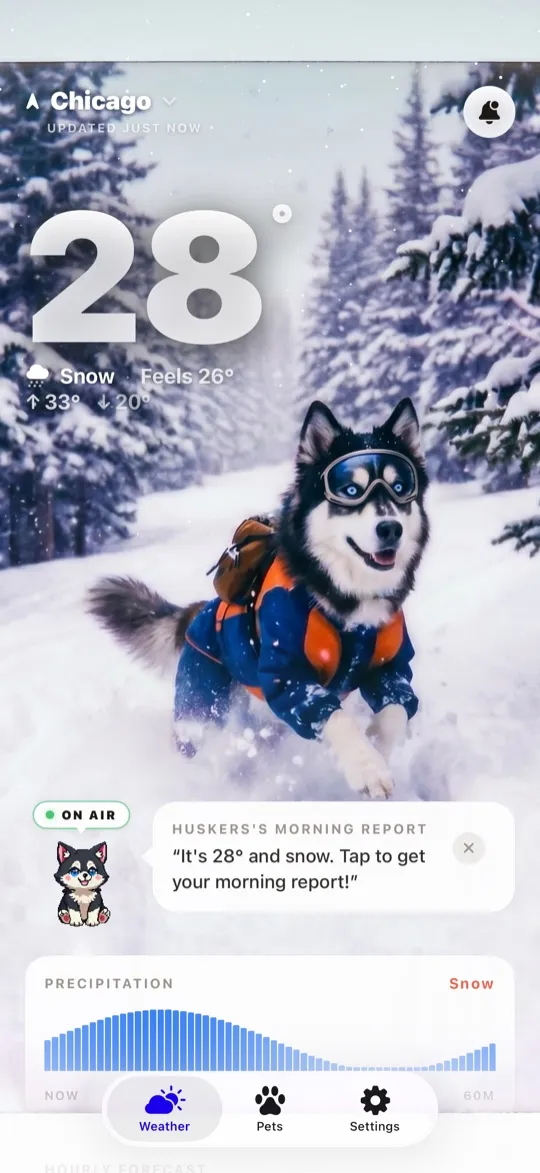
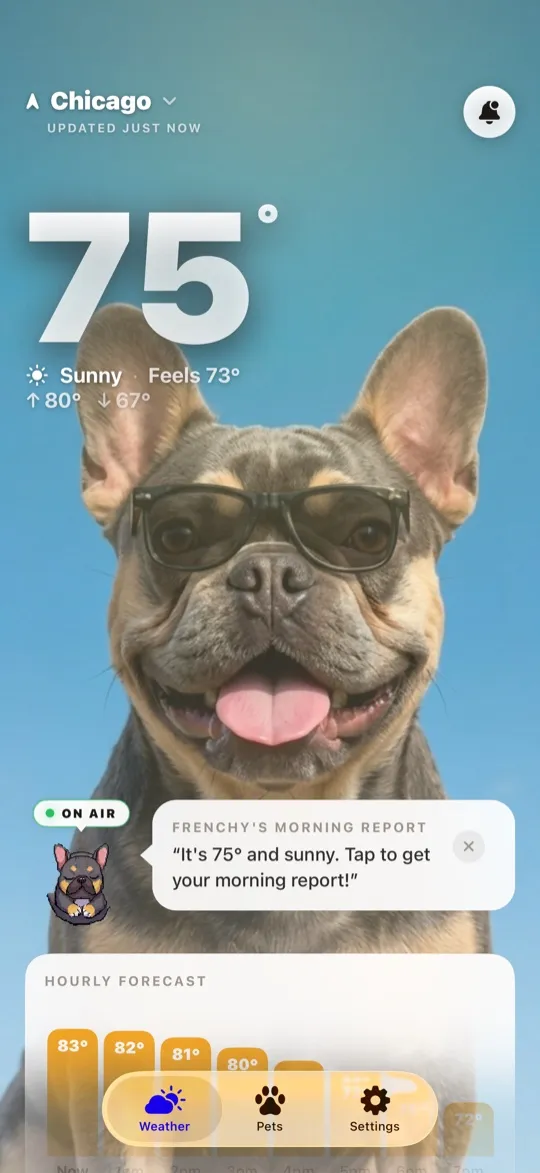
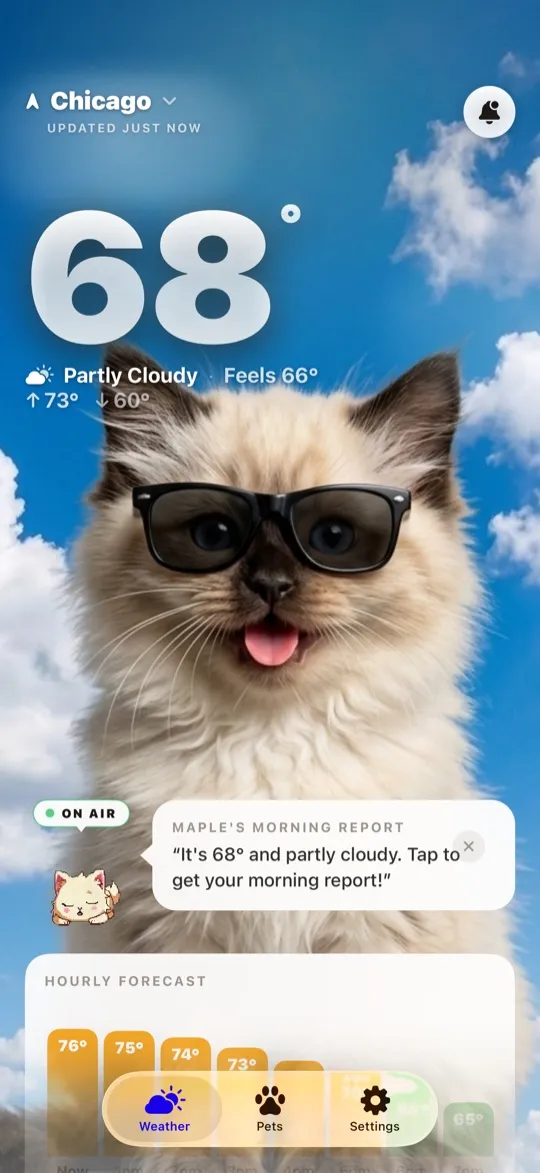
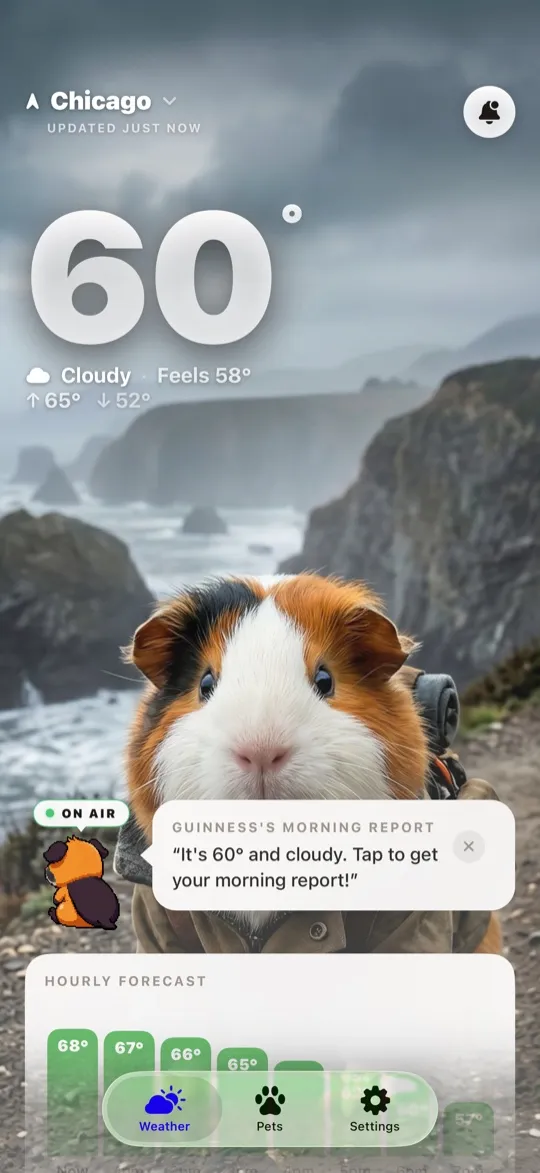
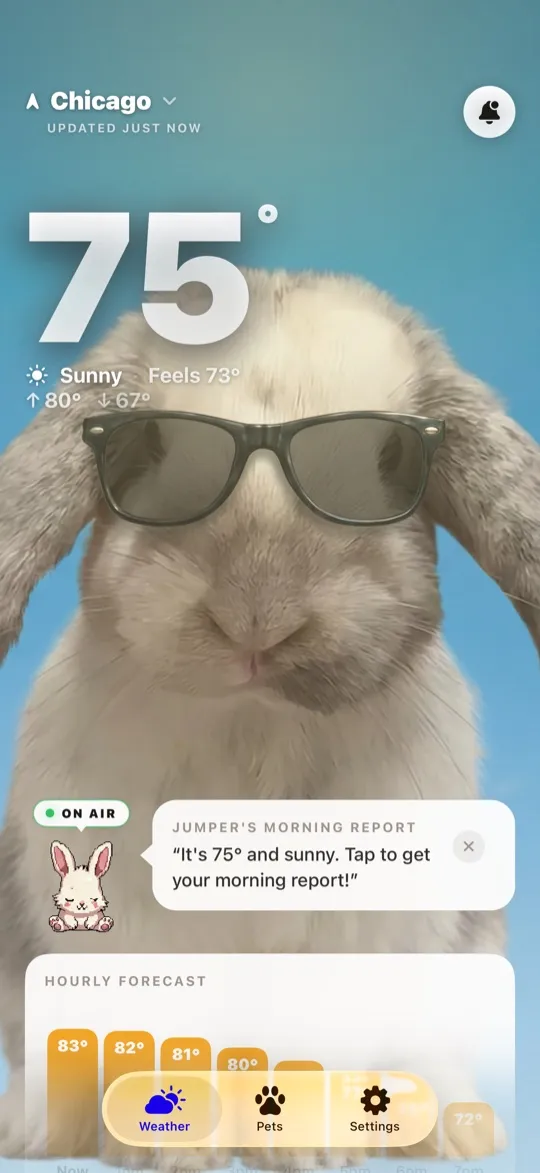
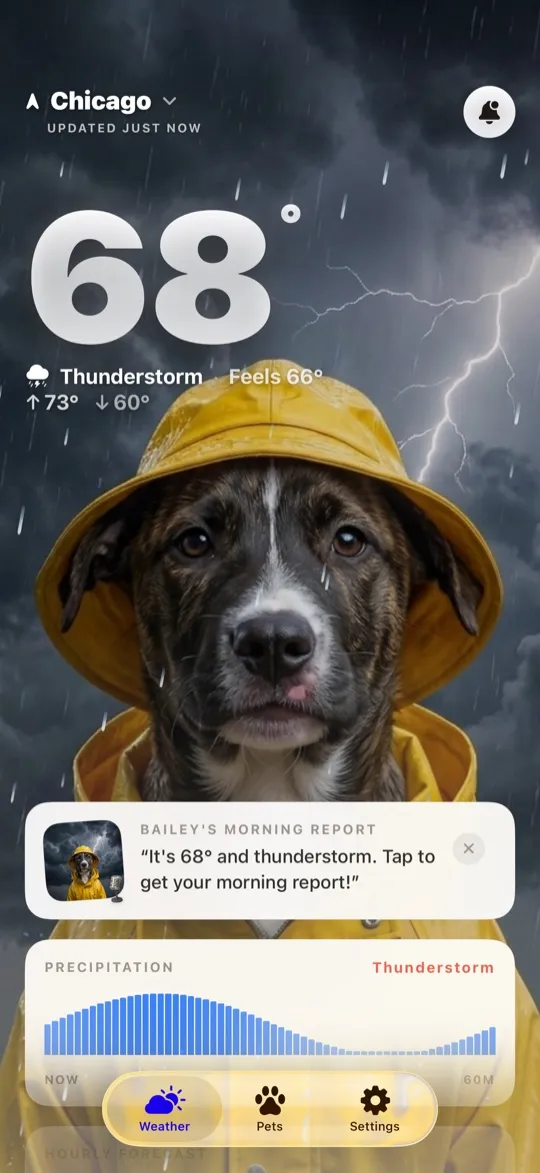
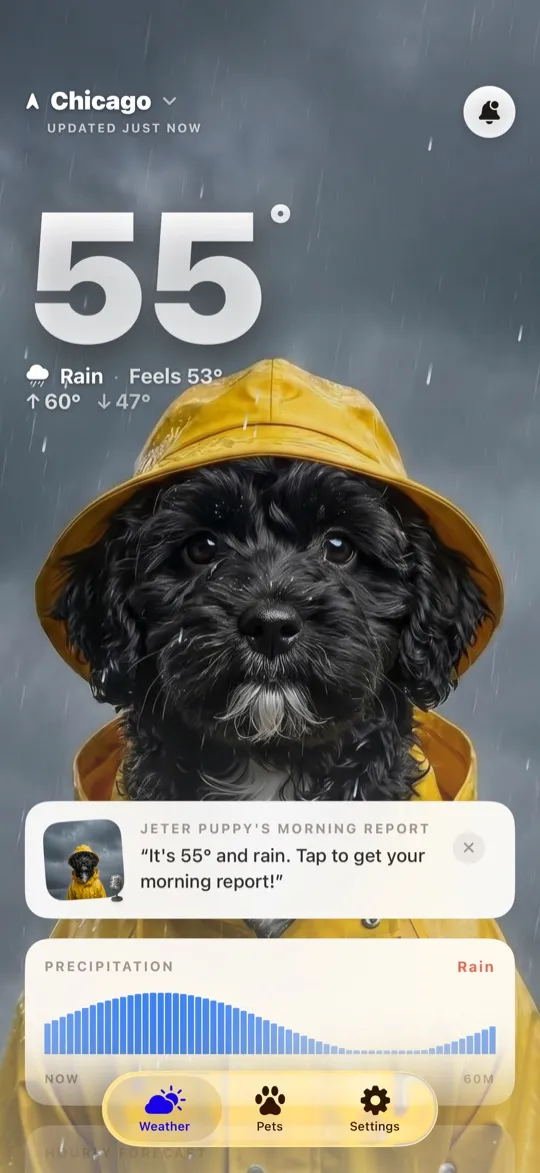
With a heat-sensitive breed, timing is everything, and that comes down to knowing the forecast before you commit to a hike. WeatherPets puts the day's high and a real-time Live Activity right on your phone, narrated by your own dog, so deciding between a sunrise adventure and a lazy indoor afternoon takes one quick, genuinely fun look.
Gear that helps: a cooling mat gives a hot husky a cool surface to stretch out on indoors. See our full picks in the best cooling mats for dogs.
WeatherPets is an Amazon Associate and may earn from qualifying purchases, at no extra cost to you.
Frequently asked questions
Can huskies live in hot weather?
Yes, and plenty do live comfortably in Texas, Arizona and Florida. What changes is the management, not the possibility. You exercise them in the cool hours, keep the coat brushed and intact, provide constant shade and water and somewhere cool to lie down, and you respect the warning signs. A husky whose owner does those things can be as content in a warm state as a snowy one.
Should I shave my husky in summer?
No. This is the single most damaging husky-in-summer mistake. The double coat is a two-way insulator: it traps warm air in winter and blocks heat and sun from reaching the skin in summer. Shaving removes that protection, exposes pale skin to sunburn, and can permanently change how the coat grows back. Brush the loose undercoat out instead so air circulates through it.
How hot is too hot for a husky?
Above roughly 80 degrees Fahrenheit, restrict a husky to brief outings at dawn or after sunset, and above 85 degrees keep exercise indoors. Between 70 and 80 degrees, walks should be shorter and shaded with no running. These are activity ceilings rather than limits on simply being outside in shade with water available.
Do huskies overheat more easily than other dogs?
Yes. A breed built for the Arctic is more heat sensitive than a short-coated dog from a hot climate. The bigger problem is temperament rather than coat: huskies are high-energy dogs who love to run and will often push well past their own limit before showing that anything is wrong. The owner has to call time, because the dog will not.
What are the signs a husky is overheating?
Heavy panting that does not settle, bright red gums or tongue, thick ropey drool, lethargy, stumbling or disorientation, and vomiting or diarrhoea. Any combination of these can indicate heatstroke, which is a medical emergency. Move the dog somewhere cool, offer water, apply cool (not ice cold) water to the belly and paws, and call a vet immediately.
Do huskies need a cooling vest?
Usually not, and a soaked vest over a dense double coat can trap moisture against the skin. Huskies do better with cool surfaces they can choose to use: a tile floor, a shaded patch of ground, a cooling mat, or a shallow paddling pool that lets them dump heat through the belly and paws. Timing and shade beat gear for this breed.
Why does my husky shed so much in summer?
Huskies blow their undercoat seasonally, and it is dramatic. This is the coat doing its job rather than a problem to solve, and the loose undercoat needs removing so air can move through what remains. Regular brushing during a shed keeps the coat working as insulation instead of matting into a heat trap.
Is it safe to walk a husky on hot pavement?
Only after the 7-second test. Press the back of your hand to the sidewalk, and if you cannot hold it comfortably for seven seconds it will burn paw pads. Asphalt can reach 125 degrees on an 85 degree day and holds that heat well after sunset, so choose grass routes during a heat wave.
Heat is the factor that turns an ordinary day dangerous fastest, and it rarely announces itself. The Pet Safety Score in WeatherPets folds temperature, humidity, UV, and estimated pavement heat into one 0 to 100 read for your specific pet, so you know before you open the door. Meet your WeatherPet on the App Store.
Your daily forecast, delivered by your own pet.

A note on health: This article is general information, not a substitute for professional veterinary advice. If you are worried about your dog overheating, or about any serious or emergency health concern, contact your veterinarian right away. Our guidance draws on trusted veterinary sources, including those linked above.
