Best Heated Pet Beds for Cold Nights
Most one star reviews of heated pet beds say the same thing: "it doesn't get warm." Almost all of them are describing a bed working exactly as designed. Understanding that one detail is most of what you need to buy a good one, so we will start there, then get to the picks and the safety rule that actually matters.
WeatherPets is a participant in the Amazon Services LLC Associates Program. As an Amazon Associate we earn from qualifying purchases. Our picks are chosen independently, and buying through our links costs you nothing extra.
Key takeaways
- A good heated bed warms to your pet's body temperature, around 101 to 102°F, and only when they are on it. If it feels hot to your hand, it is too hot.
- The one specification worth insisting on is an independent electrical safety listing plus a chew resistant cord.
- Never substitute a human heating pad. They run hotter, and a pet who cannot easily move away can be burned by a surface that feels mild to you.
- Most healthy adult pets do not need one. Seniors, thin coated breeds, small dogs, the very young and any pet in an unheated space genuinely do.
- Size it to your pet curled up, not stretched out. An oversized pad wastes heat and lets them drift onto a cold edge.
How we picked
Four criteria, in order. Safety certification first, because this is a powered device that a chewing animal sleeps on. Thermostatic control second, meaning the bed regulates to body temperature rather than running at a fixed output. Cleanability third, because a bed that cannot be washed becomes unusable by February. Fit for a specific situation last, because an outdoor kennel and a senior cat's living room need different objects.
One thing to say plainly: K&H takes four of the five slots below. We would rather it did not, and we went looking for reasons to spread the list. But they are the brand that carries independent MET Labs safety listing across the range, and in a category where the failure mode is an electrical fault under a sleeping animal, that outweighs variety. If a competitor matches them on certification we will happily rewrite this page.
1. K&H Lectro-Soft Orthopedic Outdoor Heated Bed
The best all round pick, and the right answer for a porch, garage or kennel.
A soft, flexible orthopedic foam pad in a waterproof shell with a washable fleece cover, rated for outdoor use and tested to MET Labs standards exceeding US and Canadian electrical requirements. The internal thermostat warms the surface toward your pet's body temperature when they lie on it and backs off when they leave, so it costs very little to leave plugged in through the season. The medium runs 24 by 19 inches at 40 watts, with 20 watt and 60 watt siblings for smaller and larger animals. The tradeoff is the one that generates all the complaints: it will feel unimpressive to your hand, because it is not supposed to warm the room, only the pet on top of it.
2. K&H Deluxe Lectro-Soft Outdoor Bed with Bolster
Best for large dogs, and for any dog that sleeps with its head up.
The same heated platform with a bolster wall added along one side, in sizes up to roughly 34 by 44 inches. The bolster earns its place for two reasons: it gives a big dog somewhere to rest its head off the cold ground, and it cuts the draught across the bed in a kennel or an open porch, which matters more than the raw wattage on a windy night. Two honest tradeoffs. It costs meaningfully more than the flat version, and the bolster eats into the heated footprint, so a dog that sprawls will end up with some of itself off the pad. Measure before you assume the large is large enough.
3. K&H Thermo-Kitty Bed
Best for indoor cats and small dogs, and the most sensible year round buy.
A round, high sided pillow bed with a heater that warms to a cat's own body temperature. The design detail that makes it worth the money is that the heater unit removes, so in April it becomes an ordinary machine washable cat bed rather than something you store in a cupboard for six months. It is safety listed like the rest of the range. The tradeoff is size: the small is 16 inches across, which suits a curled cat well and a large or long bodied one poorly, so size up if your cat sleeps stretched. For an arthritic senior this is the pick, because it puts warmth at floor level where a stiff cat can reach it without a jump.

4. Furhaven ThermaNAP Self-Warming Mat
Best with no electricity at all, for chewers and unsupervised pets.
A quilted mat with a reflective thermal layer sandwiched in the fill, working on the same principle as an emergency blanket: it returns your pet's radiated body heat rather than generating any of its own. It is machine washable, it packs flat for a crate or a car, and it has no cord to chew, which makes it the correct choice for a determined chewer, a pet left alone all day, or a room where you do not want a lead running across the floor. Be clear eyed about what it can do. It will make a sleeping surface a few degrees kinder. It will not warm a pet that is already cold, and it does nothing at all when nobody is lying on it.
5. K&H Lectro-Soft Small, 20 Watt
Best for outdoor cat shelters and small dog houses.
The 18 by 14 inch, 20 watt version of the first pick. It exists on this list for a specific job: dropping into an insulated outdoor cat shelter or a small dog house, where a full size pad would fill the floor and leave the animal nowhere to move off the heat. That last point is not a nitpick. A shelter should always give a cat somewhere unheated to go, because thermoregulation means being able to choose. Waterproof, safety listed, washable cover, same thermostat. The tradeoff is simply that it is small, and a full grown cat plus a pad plus escape space needs a genuinely roomy shelter.
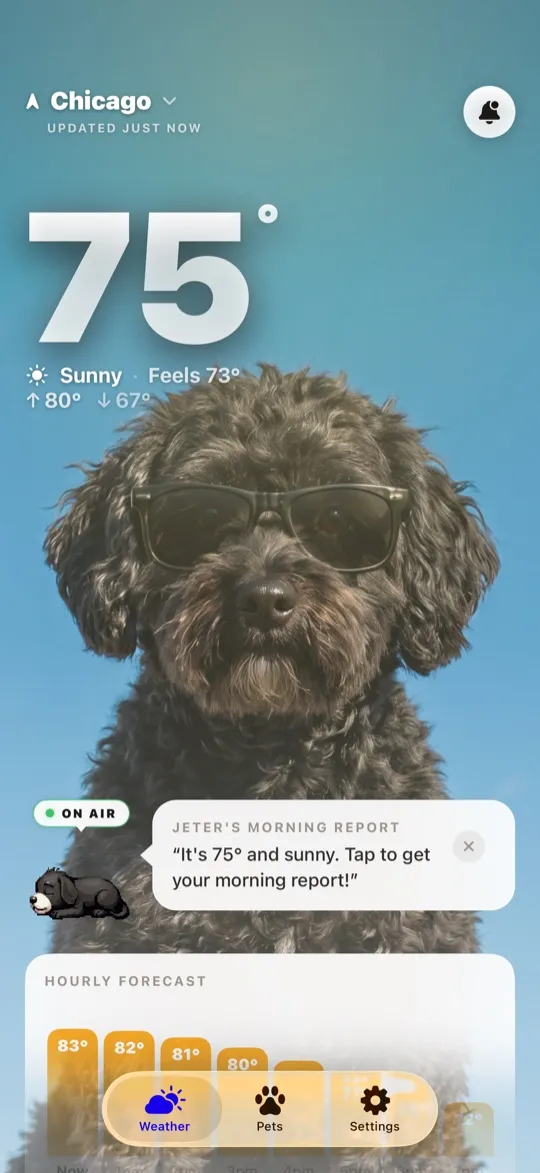
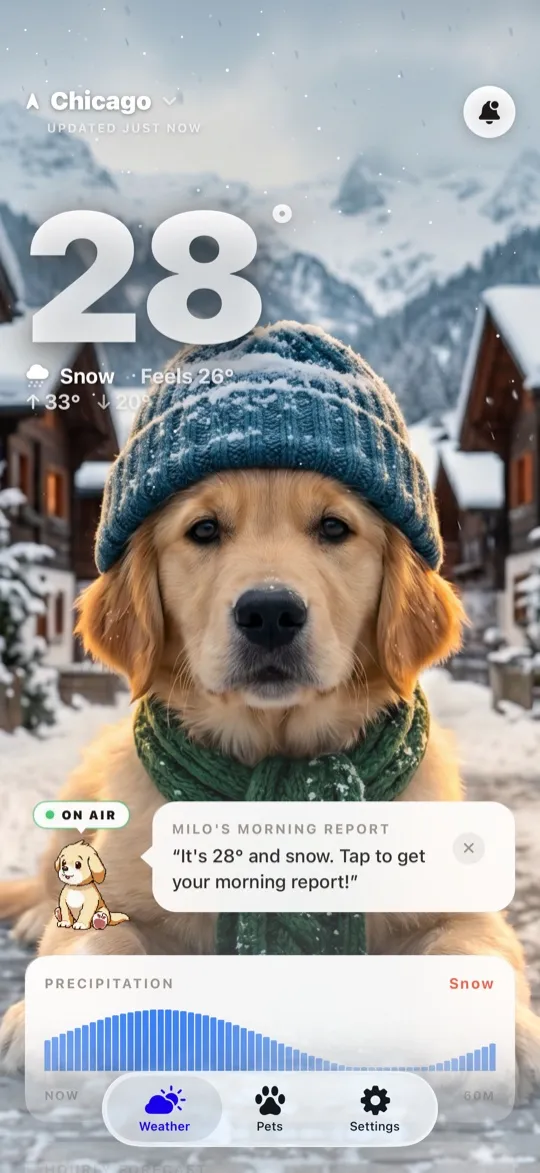
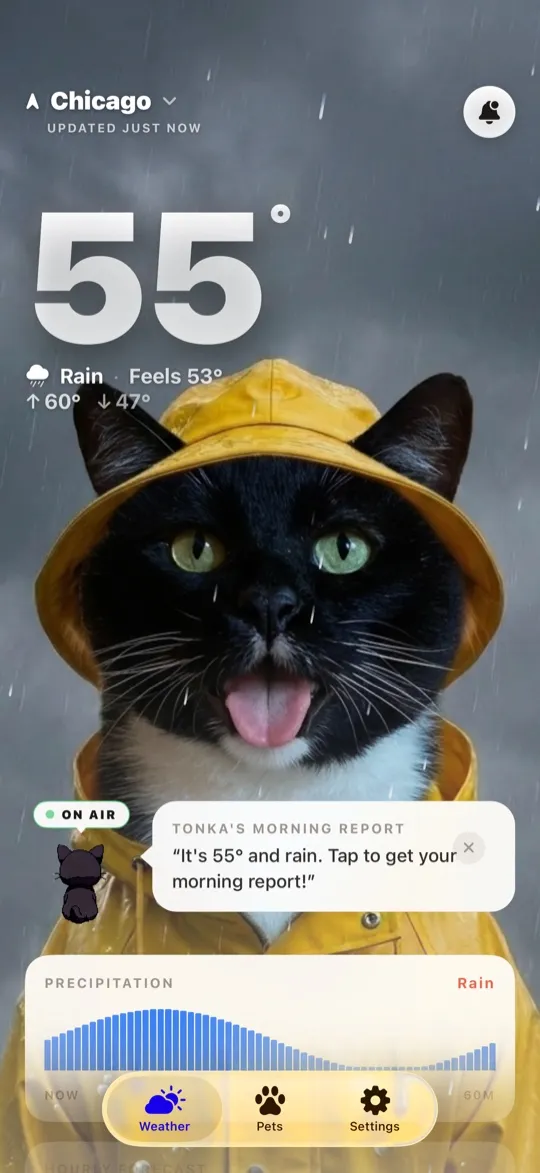
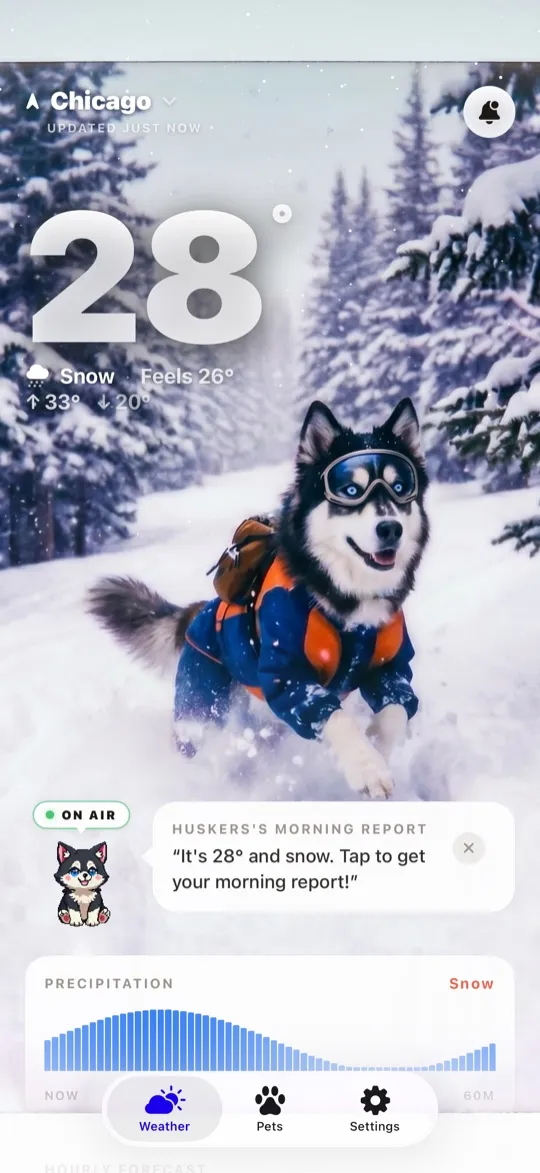
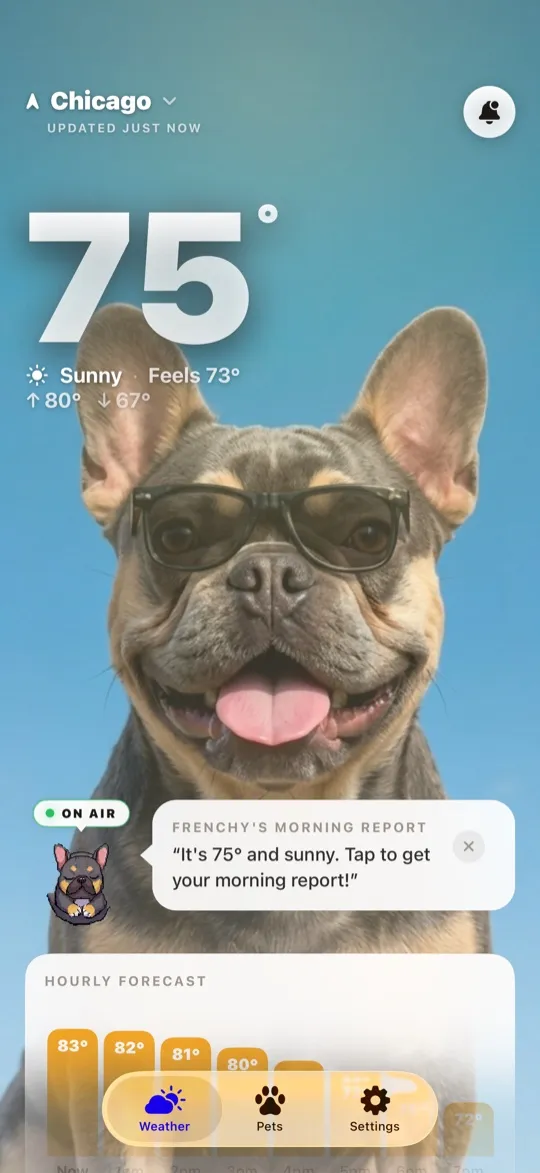
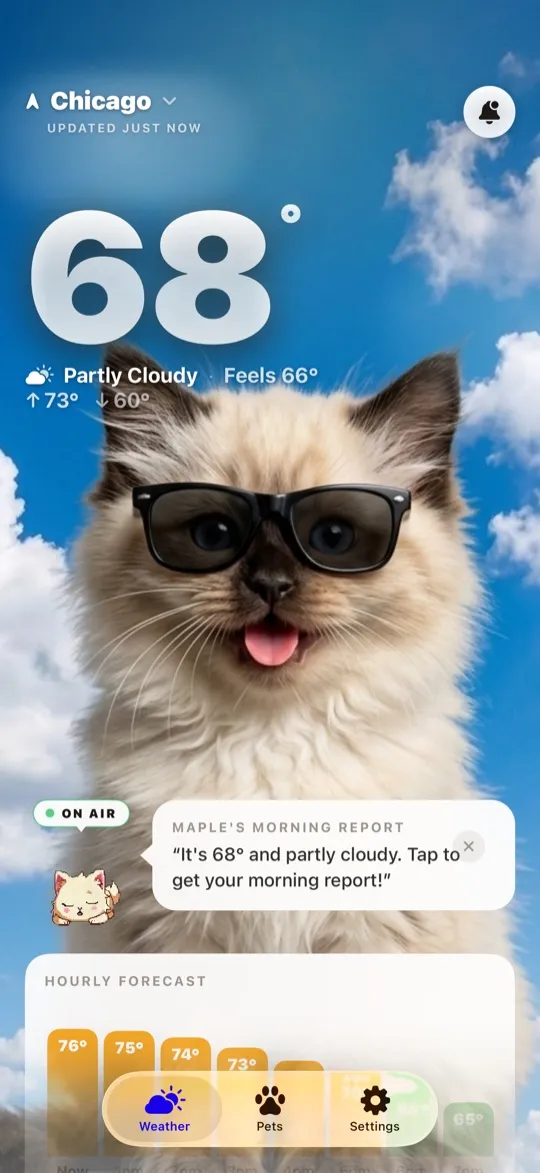
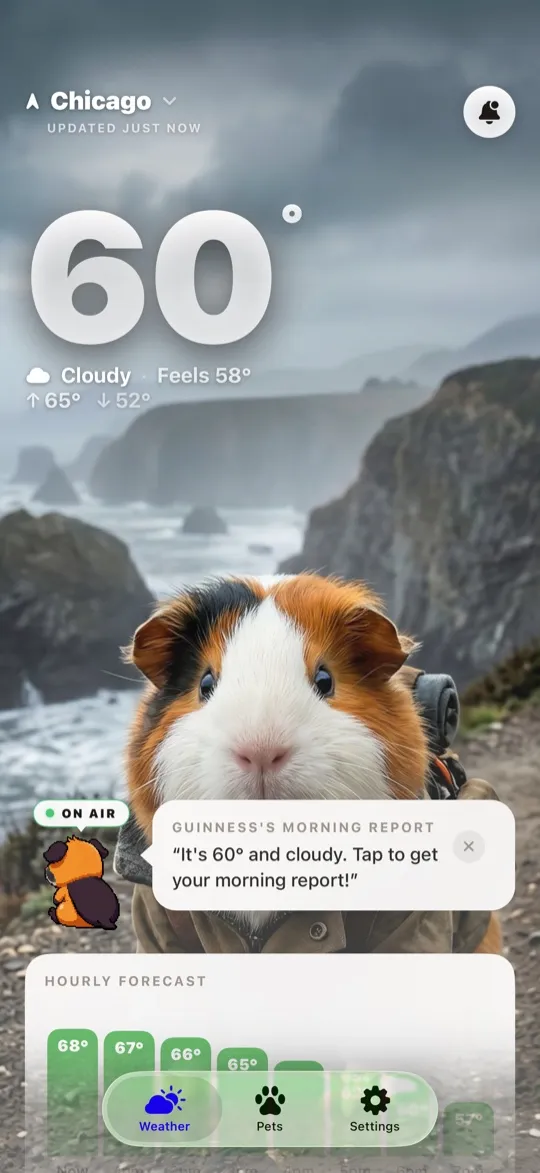
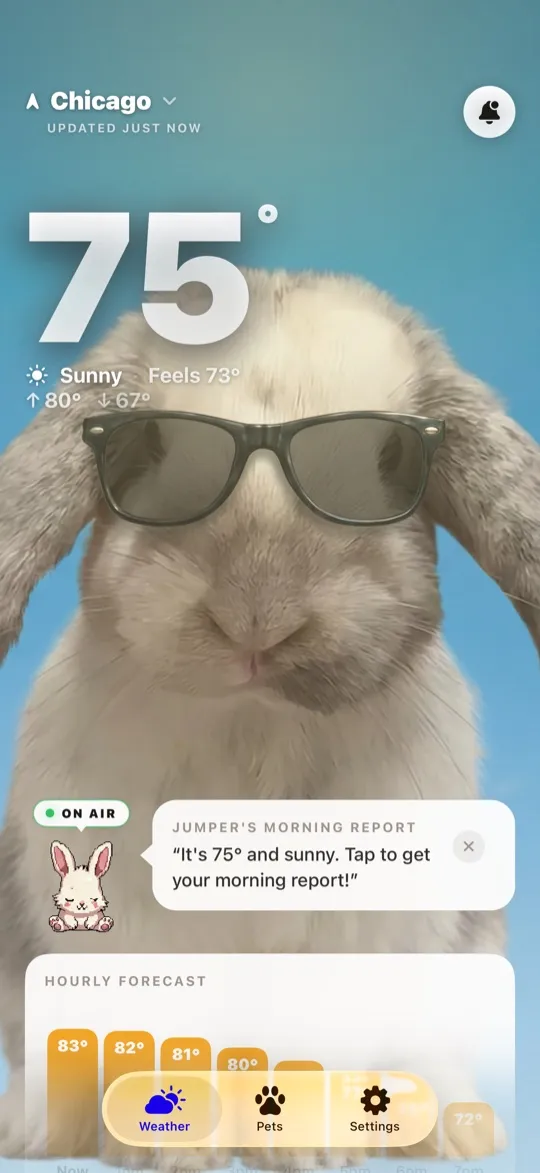
A heated bed is the answer to nights you already know are coming. Seeing the week's lows ahead of time, narrated by your own pet, is how you stop being surprised by the first hard freeze. Download WeatherPets and pick your pet.
Which pets genuinely need one
Plenty do not. A healthy adult dog with a decent coat, indoors, in a heated house is fine on a normal bed and will often choose the tile floor anyway. The animals for whom a heated bed is a real quality of life change are narrower and specific:
| Pet | Why heat helps | What to buy |
|---|---|---|
| Arthritic senior cat or dog | Warmth eases stiffness, and floor level warmth avoids a painful jump | Indoor thermostatic bed, low and soft |
| Thin coated or small breed | High surface area per pound, little insulation | Indoor thermostatic bed, sized close |
| Puppy, kitten or unwell pet | Poorer temperature regulation | Thermostatic only, with supervision and room to move off |
| Garage, porch or barn animal | Ambient temperature tracks outdoors | Waterproof outdoor rated pad |
| Outdoor or community cat | Shelter alone may not be enough on hard freezes | Small outdoor pad, with unheated floor space beside it |
| Determined chewer | Any cord is a hazard | Self warming, no electricity |
If you are unsure which side of that line your pet falls on, the honest test is behavioural. A pet that seeks out radiators, sunbeams and laps all winter, or that is visibly slow and stiff on cold mornings, is telling you. One that sleeps sprawled on a cold floor in January is not.

The safety rules that actually matter
This is a powered device that an animal sleeps on all night, so it is worth being fussy.
- Never use a human heating pad as a substitute. They run considerably hotter than a pet needs, many lack an automatic cut off at a pet safe temperature, and a senior, sedated or very young animal that cannot easily move away can be injured by a surface that feels merely warm to a healthy adult hand.
- Insist on an independent safety listing. MET Labs certification is the one you will see most often in this category. It is not marketing, it means an outside laboratory tested the thing.
- Inspect the cord weekly. Look for chew marks, nicks and stiffness. Retire it at the first sign of damage rather than taping it.
- Plug into a wall outlet directly. The Electrical Safety Foundation and the National Fire Protection Association give the same advice for every winter heating device: no daisy chained extension leads, nothing piled on top, and clearance around it.
- Always leave an escape route. The pet must be able to get fully off the heat whenever it wants. This is the single most important rule in outdoor shelters.
- Match the bed to the room. An indoor pad in a damp garage is the wrong product in the wrong place.
A heated bed is comfort equipment, not cold weather insurance. It does not make a freezing garage acceptable and it does not extend how long a pet can safely be outside. The American Veterinary Medical Association's cold weather guidance and the ASPCA's winter tips both make the same point: for most pets the right answer to a hard freeze is indoors. If you want the temperature thresholds themselves, we cover them in how cold is too cold for dogs, and the case for older animals in senior dogs and temperature.
Frequently asked questions
Are heated pet beds safe?
A purpose built one with an independent electrical safety listing and a chew resistant cord is safe for most pets. A human heating pad is not. Human pads run far hotter than a pet needs, many have no automatic shutoff at a pet safe temperature, and a pet that cannot easily move away, meaning a senior, a very young animal, or one recovering from anaesthesia, can be burned by a surface that feels merely warm to you.
Why does my heated pet bed not feel warm?
Because it is working correctly. Thermostatically controlled pet beds warm to roughly the animal's own body temperature, which is around 101 to 102 degrees Fahrenheit for a dog or cat, and only when a pet is lying on them. Your hand is cooler than that, so the surface reads as barely warm to you. A bed that feels hot to your hand would be too hot for the pet.
Does my pet actually need a heated bed?
Most healthy adult dogs and cats indoors do not. The pets that genuinely benefit are arthritic seniors, thin coated and small breeds, very young animals, pets recovering from illness or surgery, and any animal spending time in an unheated garage, porch, barn or outdoor shelter. If your pet already sleeps stretched out on a cool floor in January, save your money.
Do self warming beds without electricity work?
They work in a limited and specific way. A reflective layer bounces your pet's own radiated body heat back at them, so the sleeping surface ends up warmer than an ordinary bed. What they cannot do is add heat, so they will not warm a pet that is already chilled and they do little for an animal that is not lying on them. They are the right answer for chewers, unsupervised pets and anyone unwilling to run a cord.
Can I leave a heated pet bed on all the time?
Thermostatic outdoor beds are designed to stay plugged in through the season and draw very little power when nothing is on them. That said, treat any powered device on a pet bed the way you would treat a space heater: inspect the cord regularly for chewing or fraying, plug it directly into a wall outlet rather than a daisy chained extension lead, and keep it clear of bedding piled on top of it.
What size heated bed should I get?
Measure your pet curled up rather than stretched out, because that is the position they will use it in. Then choose a bed close to that footprint rather than a generous one. A heated pad much larger than the pet wastes heat and, more importantly, lets the animal drift onto an unheated edge and lose the benefit. For outdoor shelters, the pad should leave room for the pet to move off it entirely.
Your daily forecast, delivered by your own pet.


A note on health: This article is general information, not a substitute for professional veterinary advice. If you are worried that your pet is too cold, has a burn, or has any serious or emergency health concern, contact your veterinarian right away. Our guidance draws on trusted veterinary sources, including those linked above.
