Senior Dogs and Temperature: How Much Is Too Much?
The dog who used to romp through January now shivers at the door. The summer hiking buddy now flops in the shade after ten minutes. That is not laziness, and it is not your imagination. Aging genuinely shrinks a dog's comfortable temperature range in both directions, and the fixes are simpler than you might think.
Key takeaways
- The comfortable band narrows from both ends. Less muscle to make heat, weaker heart and lungs to shed it.
- Start paying attention below 45°F, whatever the breed chart says about your dog.
- Cold and damp make arthritis hurt more, so the first five minutes of a winter walk are the worst.
- Three short walks beat one long one in every season.
- Shivering indoors or panting at rest is a vet visit, not just old age.
Why thermoregulation declines with age
A young dog's body is a good furnace and a decent air conditioner. Age chips away at both. Older dogs typically lose muscle mass, and muscle is a major heat generator. Metabolism slows, producing less warmth at rest. Circulation becomes less efficient at shunting warm blood where it is needed, the coat often thins, and the layer of insulating fat under the skin shrinks. On the cooling side, an old heart and lungs move less air per pant, so dumping heat gets harder too.
Veterinary guidance reflects this. The AVMA's senior pet care guidance notes that older pets are less able to regulate their body temperature than healthy younger animals, and the AKC's guide to cold tolerance in dogs lists senior dogs among those at greatest risk in the cold. In practice, a temperature your dog handled fine at age four deserves respect at age eleven.
Cold and damp find the achy joints
There is a second, sneakier reason winter is hard on old dogs: arthritis. Most senior dogs have some degree of it, and VCA's overview of arthritis in dogs notes that many owners report their dogs seem stiffer and more painful in cold, damp weather. Cold muscles and joints take longer to warm up, so the first five minutes of a winter walk are often the creakiest. A slow warm-up indoors, a coat that keeps the back and hips warm, and shorter outings all help an arthritic dog move comfortably.
The safe band narrows in both directions
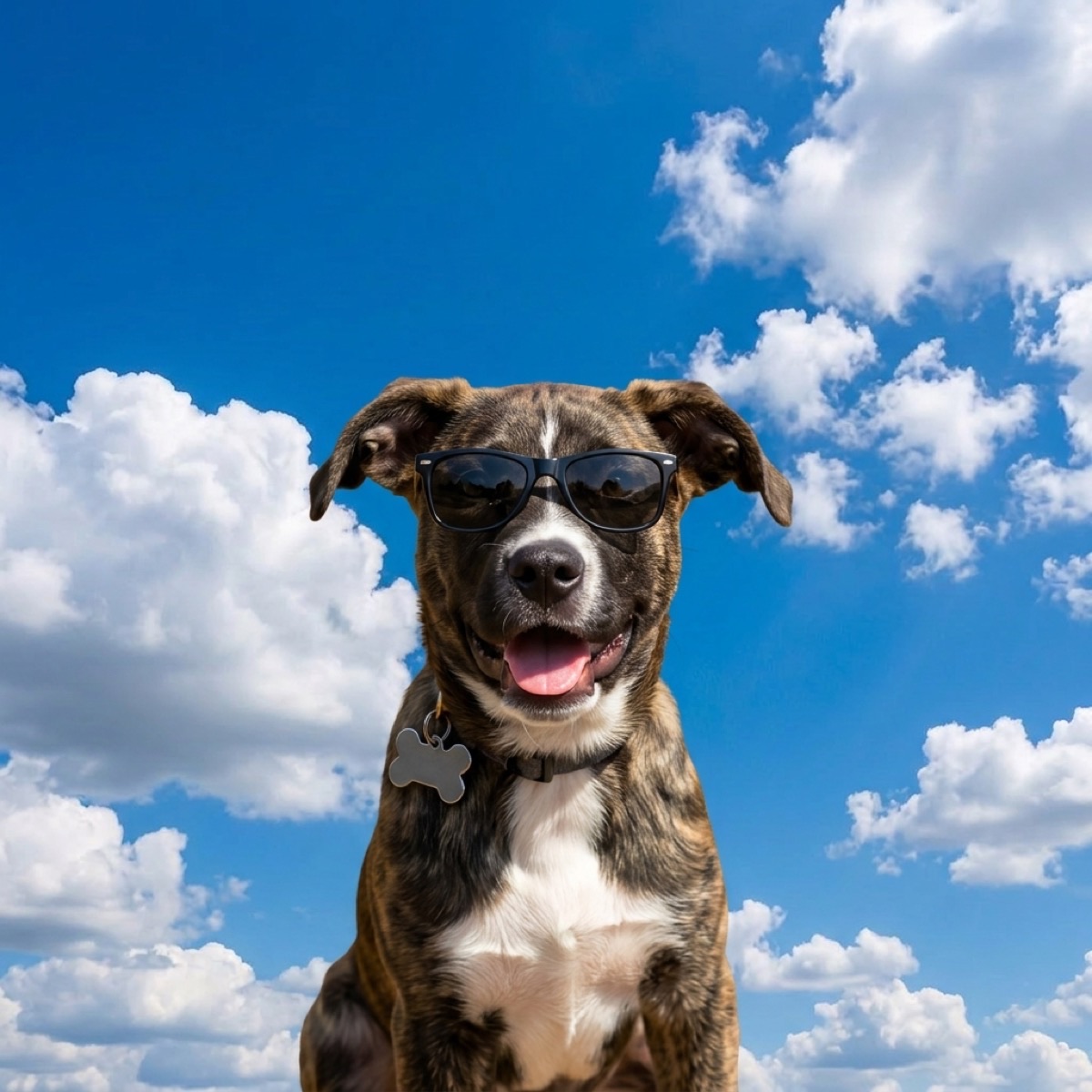
Think of it as a window closing from both sides. Where a healthy adult dog might be comfortable from around 45F up to 85F, a senior dog's genuinely comfortable range is narrower. In the cold, treat your senior like a cold-sensitive dog even if the breed says otherwise: start paying attention below 45F and keep outings short below freezing. Our guide to how cold is too cold for dogs breaks down the thresholds.
Heat deserves equal caution, and it is riskier for seniors with medical baggage. Heart disease limits how hard the cardiovascular system can work to cool the body. Kidney disease makes dehydration more dangerous. Laryngeal paralysis, common in older large breeds, physically restricts the airflow panting depends on. If your senior has any of these, be conservative: shade, water, air conditioning, and skip the midday outings entirely. Check safe walking temperatures for dogs before warm-weather walks.
How the safe range shifts with age
These are starting points rather than rules, and a fit ten-year-old Labrador will outperform an unfit six-year-old. But the direction of travel is consistent, and it is worth recalibrating rather than relying on what your dog handled three years ago.
| Condition | Healthy adult dog | Senior dog | Senior with heart, kidney or airway disease |
|---|---|---|---|
| Below 32°F (0°C) | Short outings, coat for thin breeds | Toilet breaks only, coat always | Toilet breaks only, carry if needed |
| 32–45°F (0–7°C) | Comfortable for most | Coat, slow indoor warm-up first | Short and slow, watch for stiffness |
| 45–70°F (7–21°C) | Ideal | Ideal, the sweet spot | Ideal |
| 70–80°F (21–27°C) | Fine for most walks | Shorter, shaded, water | Dawn and dusk only |
| 80°F+ (27°C+) | Caution | Risky, skip the midday walk | Stay in with air conditioning |
Practical adjustments that actually help
- Shorter, more frequent walks. Three easy 15-minute outings beat one 45-minute slog, in any season.
- Time the day right. In summer walk at dawn and dusk; in winter aim for the warmest midday window.
- Add a coat sooner. Thin coat plus low muscle means a senior earns a sweater before a young dog of the same breed would.
- Upgrade the bed. An orthopedic bed off cold floors and away from drafts, or a heated pad in winter, does wonders for stiff joints. In summer, make sure there is a cool tile escape spot.
- Keep exercise going indoors. Muscle loss accelerates when activity stops, and that muscle is your dog's furnace. On brutal days, swap the walk for games from our guide to indoor dog exercise in winter.
- Watch the water bowl. Senior kidneys are less forgiving of dehydration, so track drinking in warm weather.
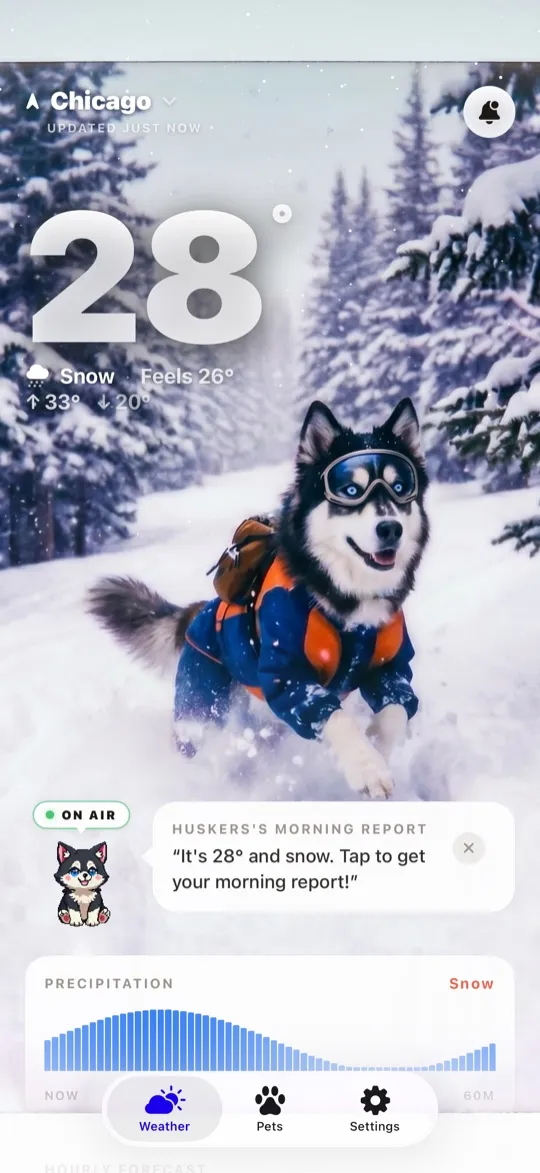
A quick weather check each morning makes all of this easier to execute. WeatherPets has your own pet deliver the day's forecast, highs, lows, and feels-like included, so planning the gentlest walk window becomes the fun part of the morning instead of a chore.
When it is time to call the vet
Some weather sensitivity is normal aging. Some is a medical flag. Book a visit if you notice shivering indoors at normal room temperature, heavy panting at rest or in mild weather, sudden intolerance of temperatures your dog handled last season, stiffness that does not loosen after a few minutes of movement, or any collapse, disorientation, or weakness during or after a walk. These can point to treatable problems like hypothyroidism, heart disease, pain, or laryngeal issues, and seniors do best when those are caught early. Twice-yearly checkups are the standard recommendation for older dogs for exactly this reason.
Your senior dog still wants the walk, the sniffs, and the routine. They just need you to shave the edges off the weather for them. Do that, and the golden years stay golden.
Frequently asked questions
At what age is a dog considered senior?
It depends heavily on size. Giant breeds such as Great Danes are often considered senior around six, large breeds around seven or eight, and small breeds not until ten or eleven. What matters for weather is not the birthday but the signs: less muscle, a thinner coat, slower recovery after exercise, and stiffness in the morning.
Why do older dogs get cold so easily?
Several changes stack up. Older dogs lose muscle mass, and muscle is a major heat generator. Metabolism slows so they produce less warmth at rest. Circulation gets less efficient, the coat often thins, and the insulating fat layer under the skin shrinks. The AVMA notes plainly that older pets are less able to regulate body temperature than healthy younger animals.
Does cold weather make arthritis worse in dogs?
Owners consistently report that it does. VCA's overview of canine arthritis notes many owners find their dogs seem stiffer and more painful in cold, damp conditions. Cold muscles and joints take longer to loosen, which is why the first five minutes of a winter walk are usually the creakiest. A slow indoor warm-up before you open the door helps a lot.
How cold is too cold for a senior dog?
Treat your senior as a cold-sensitive dog regardless of breed. Start paying real attention below 45 degrees Fahrenheit, use a coat that covers the back and hips, and keep outings short once you are below freezing. A dog who handled a temperature comfortably at four deserves more caution at eleven.
Is heat or cold worse for senior dogs?
Both narrow the safe range, but heat is more likely to be acutely dangerous for a senior carrying medical conditions. Heart disease limits how hard the cardiovascular system can work to cool the body, kidney disease makes dehydration riskier, and laryngeal paralysis, common in older large breeds, physically restricts the airflow that panting depends on.
How long should I walk my senior dog?
Shorter and more often beats one long outing. Three easy fifteen-minute walks are generally kinder than one forty-five-minute slog, in any season. Keeping some activity going matters, because muscle loss accelerates when exercise stops and that muscle is your dog's furnace.
Should my senior dog wear a coat?
Usually earlier than a young dog of the same breed would. A thin coat plus reduced muscle mass means less heat generated and less insulation holding it in. Look for something that covers the back and hips, since that is where arthritic joints benefit most from staying warm.
When should weather sensitivity in an older dog worry me?
Book a vet visit for shivering indoors at normal room temperature, heavy panting at rest or in mild weather, a sudden intolerance of temperatures your dog handled last season, stiffness that does not loosen after a few minutes of movement, or any collapse, disorientation or weakness around a walk. These can point to treatable conditions such as hypothyroidism, heart disease, pain or laryngeal problems.
Conditions matter more for pets than the forecast alone shows. The Pet Safety Score in WeatherPets combines temperature, humidity, air quality, UV, wind, and more into one 0 to 100 read tuned to your specific pet. Meet your WeatherPet on the App Store.
Your daily forecast, delivered by your own pet.










A note on health: This article is general information, not a substitute for professional veterinary advice. If you are worried about your senior pet in hot or cold weather, or about any serious or emergency health concern, contact your veterinarian right away. Our guidance draws on trusted veterinary sources, including those linked above.
