Blue-Green Algae and Dogs: The Deadly Summer Risk
Most summer hazards give you time. Heat builds, storms roll in, pavement warns you with one touch. Blue-green algae does not. A dog can wade into a warm, still lake, swim for five minutes, and be in serious trouble before you have dried them off. It is the one warm-weather risk where the gap between "looks like a nice swim spot" and "call the emergency vet now" can be under an hour. Here is how to recognize it, what it does, and exactly what to do if your dog goes in.
Key takeaways
- It is not algae. Blue-green algae is cyanobacteria, and some blooms produce toxins with no antidote.
- Neurotoxin signs can appear within 60 minutes of exposure, and death can follow within minutes to hours.
- Licking is enough. A dog that only waded can be poisoned by licking contaminated water off its coat.
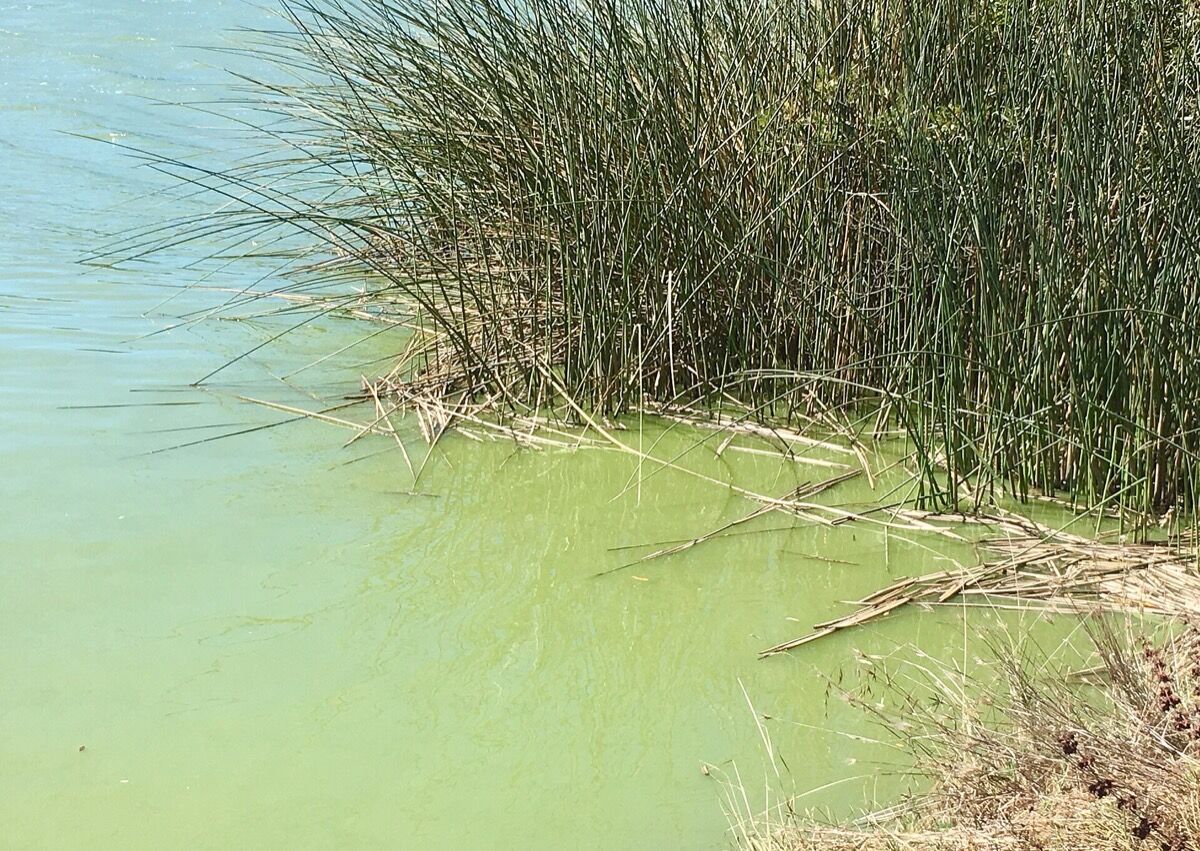
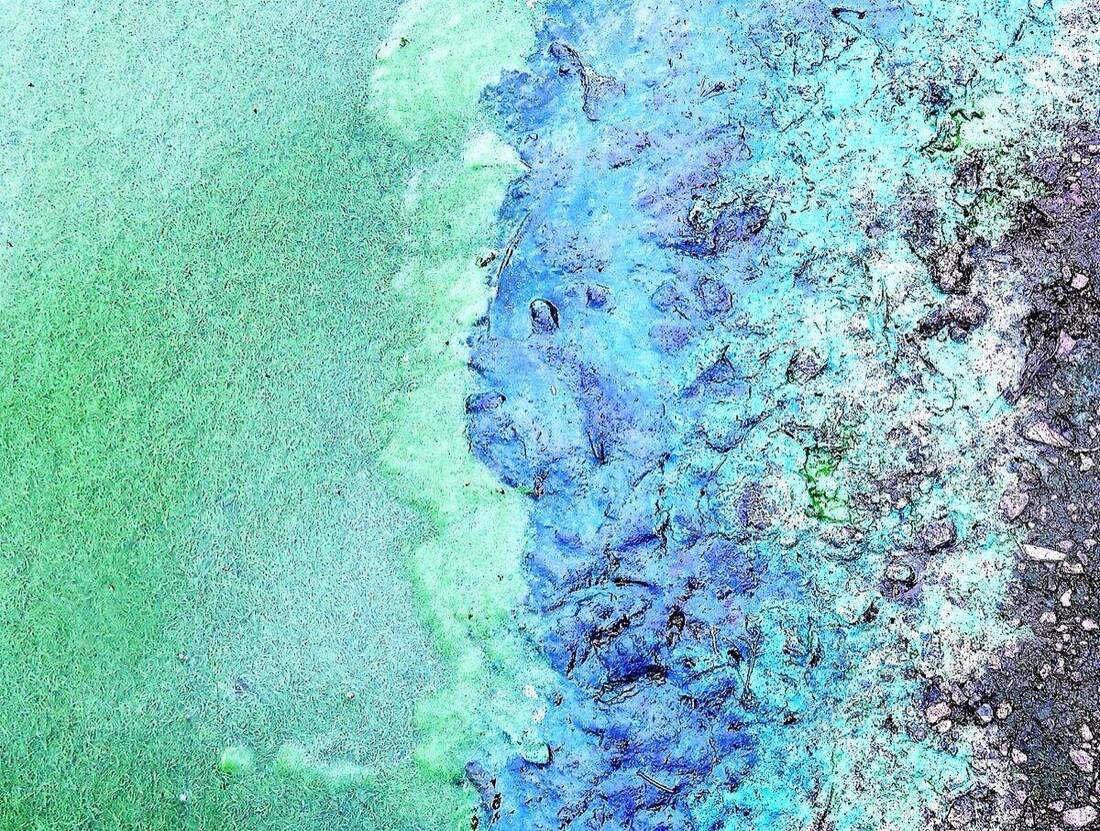
- Blooms look like paint, pea soup, foam or scum, often piling up on the downwind shore where dogs enter.
- Hot, calm, stagnant stretches build blooms. Late summer and early fall are peak season.
- Do not wait for symptoms. Rinse, stop the licking, and call a vet immediately after any suspected exposure.
What blue-green algae actually is
Despite the name, blue-green algae is not algae at all. It is cyanobacteria, a group of bacteria that photosynthesize and live naturally in lakes, ponds, slow rivers, reservoirs and even backyard water features. Most of the time it sits at harmless background levels. The problem starts when conditions let it multiply into a bloom, and when the particular species present happens to be a toxin producer.
Not every bloom is toxic, and there is no way to tell by looking. That is the single most important thing to understand: a green lake is not proof of poison, and clear-looking water is not proof of safety. Toxins can persist in the water after a visible bloom breaks apart. As the Cornell Riney Canine Health Center puts it, exposure can be life-threatening and there is no antidote.
What the toxins do, and how fast
Cyanobacteria produce several classes of toxin, and they behave very differently. The timelines below come from VCA Animal Hospitals' guide to algae poisoning. They are worth reading twice, because they explain why "we will watch him tonight" is the wrong plan.
| Toxin type | Onset after exposure | What you see | Outlook |
|---|---|---|---|
| Neurotoxins (such as anatoxin) | Within 60 minutes | Drooling, muscle rigidity or tremors, weakness, stumbling, seizures, paralysis, labored breathing | Death possible within minutes to hours; prognosis poor to grave |
| Liver toxins (such as microcystin) | Within about 4 hours | Vomiting, bloody or black diarrhea, pale or yellow gums, low blood sugar, bleeding problems, collapse | Death possible within a few hours to a few days; prognosis poor to grave |
| Skin toxins | Within hours of contact | Itching, redness, blistering where the water touched skin | Not usually fatal; most dogs recover |
There is no antidote for any of it. Veterinary treatment is decontamination plus intensive supportive care: IV fluids, oxygen, anti-seizure medication, glucose and electrolytes, and blood products where the liver has stopped making clotting factors. Dogs that survive a serious microcystin exposure can be left with chronic liver disease.
The exposure routes are wider than most owners assume. Drinking the water is the obvious one. Swimming is another. But the one that catches people out is grooming: a dog that only waded through the shallows can ingest a fatal dose by licking the water off its own coat on the drive home. VCA is blunt about it, noting that simply licking the water off their coat could be fatal.
How to spot a bloom before your dog does
Washington State's Department of Health veterinary reference on toxic blooms describes the look simply: blooms may appear as scum, foam, mats or paint on the surface of the water. In practice, watch for:
- Spilled-paint sheen on the surface, often vivid green, sometimes blue-green, turquoise, red-brown or tan.
- Pea-soup or grass-clipping texture suspended through the top layer of water.
- Foam, scum or thick mats collecting along the shoreline, especially the downwind edge where the breeze has pushed everything into the shallows. That is exactly where a dog enters.
- A rotting or musty smell, sometimes like decaying vegetation.
- Dead fish, birds or other animals near the water, which is a serious warning sign.
- Posted advisories. Many states and counties publish bloom alerts and close beaches. Check before you drive out.
The rule health agencies keep repeating is the one to memorize: when in doubt, stay out. If you cannot see your dog's feet in knee-deep water, or the shoreline has a green rim, pick a different spot. A stick thrown into questionable water is not worth it.
The weather pattern that builds a bloom
Blooms are not random. They are weather-driven, which means you can often see the risk coming days out. Cyanobacteria need three things at once: warmth, sunlight, and nutrients in slow-moving water. The EPA's harmful algal blooms resources describe the recipe, and the pattern usually goes like this:
- Rain washes nutrients in. Nitrogen and phosphorus from fertilizer, manure and stormwater run off into a lake or pond.
- Heat and calm follow. A stretch of hot, sunny, low-wind days warms the surface layer and lets the water stratify, so a warm lens floats on top of cooler water.
- Cyanobacteria win the race. They outcompete ordinary algae in warm water and can move between the sunlit surface and nutrient-rich depths, so the bloom thickens fast.
- The bloom feeds itself. Dark mats absorb more sunlight, warming the water further and accelerating growth.
That is why late summer and early fall are peak season for advisories, and why the danger often spikes a week or two after a heavy rain followed by a heat wave. The EPA also notes in its overview of climate change and freshwater harmful algal blooms that warmer water, changing rainfall patterns and longer warm seasons are expected to make blooms more frequent, more intense and longer lasting.
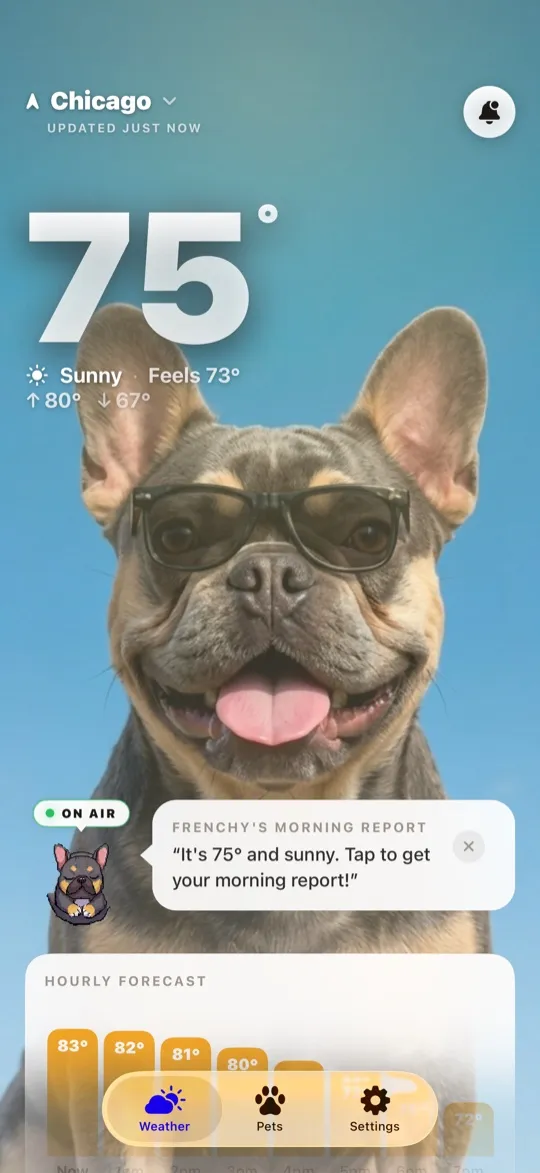
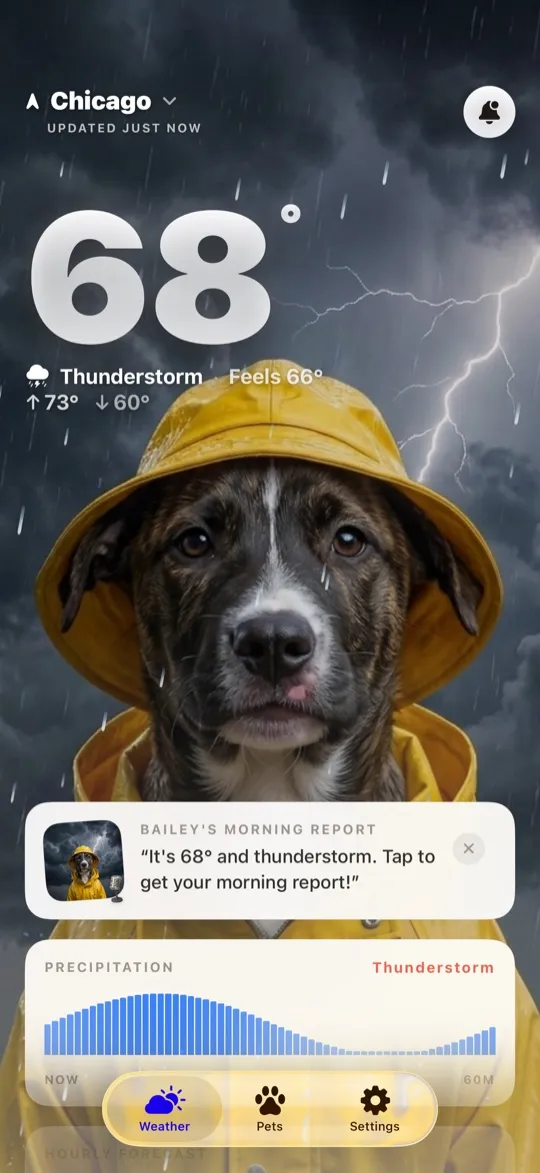
The bloom risk builds during exactly the kind of week you are already tracking: hot, still, and dry after a soaking. WeatherPets turns that stretch into a daily heads-up delivered by your own pet, so a long heat run never slips past you before a lake trip. Download WeatherPets and pick your pet.
If your dog goes in: the first ten minutes
Assume the worst and act immediately. Do not wait to see whether symptoms appear, because with neurotoxins the symptoms and the emergency arrive together.
- Get them out and away from the water. Leash on, no second swim, no shoreline sniffing.
- Stop the licking. This is the step people miss. Keep your dog from grooming the coat until it is rinsed.
- Rinse thoroughly with clean water. Use bottled or tap water if you have it, and work through the coat, keeping the rinse water out of the mouth and eyes.
- Call your vet or the nearest emergency clinic now. Say the words "possible blue-green algae exposure" and give the time of contact. That phrase changes how fast you are seen.
- Call poison control if you need guidance en route. The ASPCA Animal Poison Control Center is at 1-888-426-4435, and a consultation fee may apply.
- Photograph the water and note the location. It helps the clinic, and it helps whoever issues the local advisory.
- Do not try home remedies. Do not induce vomiting unless a veterinarian tells you to.
Then watch for the signs in the table above for at least the next 24 hours, even if the clinic sends you home. Liver damage declares itself later than neurologic signs do.
Prevention that actually works
- Check advisories before you go. Search your state environmental or health agency for current bloom reports, and look for posted signs at the access point.
- Default to moving water. Rivers with real current, and cold, deep, wind-exposed lakes are lower risk than warm ponds and stagnant coves.
- Carry drinking water and offer it often. A well-hydrated dog is much less likely to drink from the lake. Our guide to keeping dogs hydrated on hot days covers how much to bring.
- Rinse after every swim, even in clean water. It is a good habit for algae, bacteria and general lake grime.
- Empty standing water at home. Buckets, kiddie pools, birdbaths, unfiltered ornamental ponds and old troughs can all grow cyanobacteria in hot weather.
- Skip the shoreline scum lines, even if the middle of the lake looks fine. Concentration is highest exactly where your dog stands.
What about cats and other pets?
Cyanotoxins are dangerous to any mammal, people included. Dogs dominate the case reports for one simple reason: they swim in and drink from untreated water constantly, and then they groom. Cats rarely swim, but they can still be exposed through standing water in the yard, a bucket, a birdbath or an ornamental pond, so those are worth emptying and refreshing through the hot months. Livestock deaths from contaminated stock tanks are a long-documented problem for the same reason.
If your summer routine is built around water, it is worth pairing this with the rest of the hot-weather picture: our heat wave survival guide covers the days when the lake looks most tempting, and heatstroke warning signs covers the other emergency that shares those afternoons.
Frequently asked questions
What does blue-green algae look like in water?
A bloom can look like spilled paint, pea soup, grass clippings, foam, scum or thick mats on the surface, usually bright green but sometimes blue-green, red-brown or tan. It often collects along the downwind shoreline where your dog enters the water, and it can smell like rotting vegetation. Toxins can also be present without an obvious bloom, so the safest rule is when in doubt, stay out.
How quickly does blue-green algae affect dogs?
Very quickly. According to VCA Animal Hospitals, neurotoxins such as anatoxin cause signs within 60 minutes of exposure and can kill within minutes to hours. Liver toxins such as microcystin cause signs within about four hours, with death possible within a few hours to a few days. There is no antidote, so treatment is supportive and speed matters more than anything else.
What are the symptoms of blue-green algae poisoning in dogs?
Neurologic signs include drooling, muscle tremors or rigidity, weakness, stumbling, seizures, paralysis and difficulty breathing. Liver-related signs include vomiting, dark or bloody diarrhea, pale or yellow gums, weakness and collapse. Skin contact can cause itching, redness and blistering. Any of these after time near a lake or pond is an emergency.
What should I do if my dog swam in water with blue-green algae?
Get your dog out immediately and stop them from licking their coat, because licking contaminated water off the fur can be fatal. Rinse thoroughly with clean water, keeping it out of the mouth, then call your veterinarian or an emergency clinic right away, even if your dog seems fine. You can also call the ASPCA Animal Poison Control Center at 1-888-426-4435. Do not wait for symptoms.
Is blue-green algae dangerous to cats and other pets?
Yes. Cyanotoxins are dangerous to any mammal, including cats, livestock and people. Dogs are affected most often simply because they swim in and drink from untreated water far more than other pets. Cats can be exposed through standing water in yards, buckets, birdbaths or ornamental ponds, so keep those emptied and refreshed during warm weather.
Why are blue-green algae blooms worse in summer?
Cyanobacteria thrive in warm, slow-moving, nutrient-rich water with plenty of sunlight. Long hot stretches with little wind or rain let lakes stratify into a warm surface layer, which cyanobacteria exploit better than other algae. Nutrient runoff from fertilizer and manure feeds the bloom, and the EPA notes that warming conditions are expected to make freshwater blooms more frequent and more intense.
Conditions matter more for pets than the forecast alone shows. The Pet Safety Score in WeatherPets combines temperature, humidity, air quality, UV, wind, and more into one 0 to 100 read tuned to your specific pet. Meet your WeatherPet on the App Store.
Your daily forecast, delivered by your own pet.








A note on health: This article is general information, not a substitute for professional veterinary advice. If you think your dog has been exposed to blue-green algae, or you are facing any serious or emergency health concern, contact your veterinarian or an emergency clinic right away. Our guidance draws on trusted veterinary and public-health sources, including those linked above.
