Golden Retriever Seasonal Care, Season by Season
Golden retrievers are happy, sturdy, all-weather dogs, but that gorgeous double coat means each season asks something a little different of you. Here is how to keep your golden comfortable and healthy through spring shedding, summer heat, crisp fall, and cold winter.
Key takeaways
- Never shave the double coat. It insulates against heat as well as cold, and shaving can interfere with healthy regrowth.
- Spring is the big blow. Daily brushing with an undercoat rake at the peak, plus pollen on the paws to watch for.
- Goldens overheat despite the coat, mostly because they will keep playing long after they should stop.
- Fall is their season. Prime hiking weather, and the one time of year the coat works entirely in their favour.
- Healthy adults rarely need a winter coat. Puppies and seniors do, and every golden needs its paws wiped after salt.
First, understand the coat
A golden's defining feature is its double coat: a water-repellent outer layer over a soft insulating undercoat. That coat is a year-round climate-control system. It keeps your dog warm in winter and, surprisingly, helps shield against heat in summer. The single most important rule that follows from this: do not shave your golden retriever. The American Kennel Club's golden retriever breed overview describes that dense, water-resistant double coat, and shaving it can disrupt the natural insulation and even interfere with healthy regrowth. Brush, do not buzz.
| Season | What the coat is doing | Main risk | Your job |
|---|---|---|---|
| Spring | Blowing the winter undercoat | Matting, and pollen allergies | Brush daily at the peak with an undercoat rake, wipe paws and coat after walks |
| Summer | Insulating against heat, if it is clear of dead fur | Overheating, because they will not self-regulate | Walk at the cool edges of the day, carry water, offer shade and a swim |
| Fall | Thickening for winter | Ticks in long grass | Make the most of it, keep brushing, tick-check after every hike |
| Winter | Doing what it was built for | Ice balls between the toes, de-icing salt, a damp undercoat | Wipe and dry paws, dry the dog fully after snow, coat only for puppies and seniors |
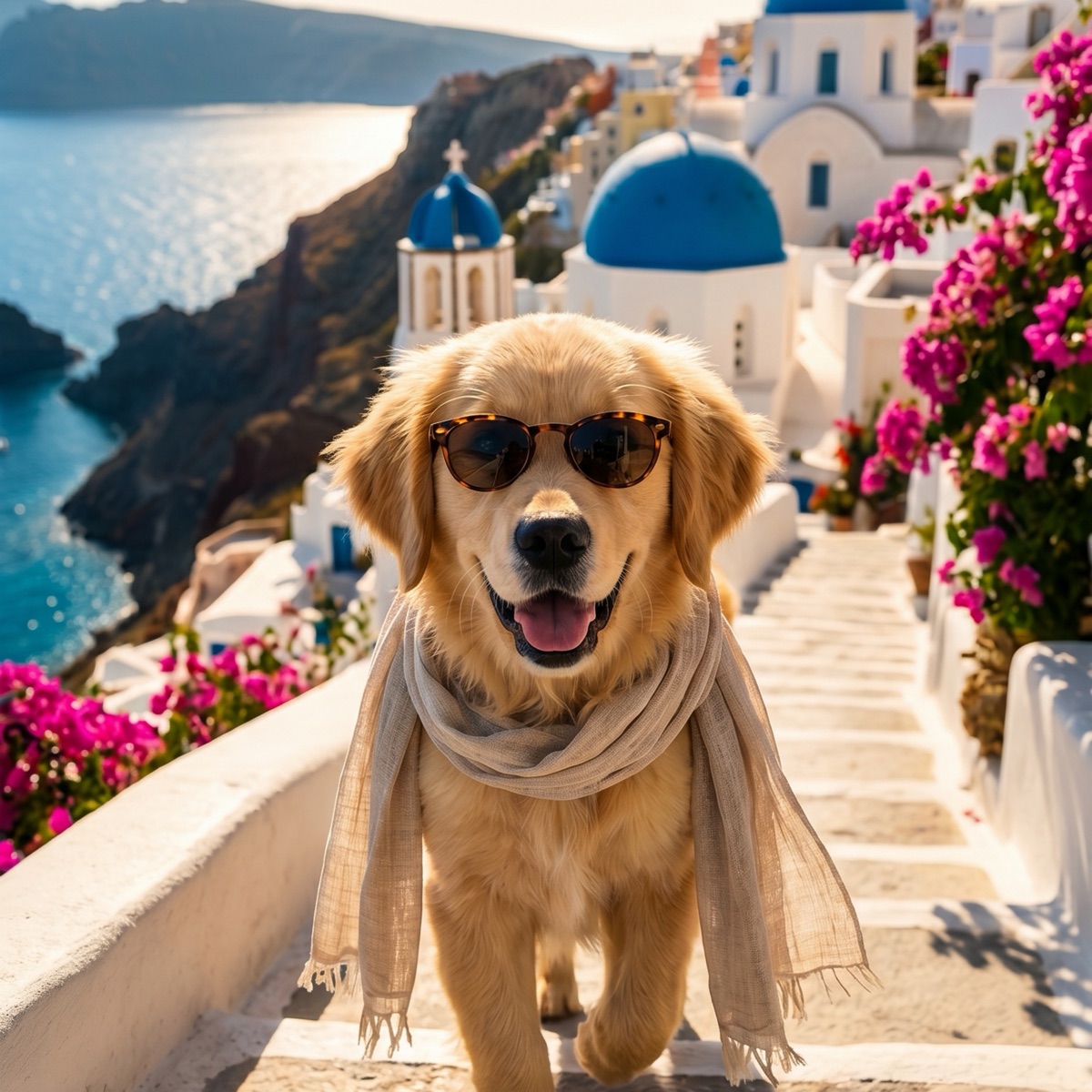
Spring: shedding season
Spring is when goldens "blow" their winter undercoat, and the fur comes out in clouds. Step up brushing to several times a week, or daily at the peak, with an undercoat rake or slicker brush to clear the loose underlayer before it ends up on every surface you own. Spring is also pollen season, and goldens are prone to environmental allergies, so watch for itchy skin, paw licking, and ear infections, and wipe paws and coat after walks. Our guide to spring allergies in dogs covers the relief steps in detail.
Summer: respect the heat
Goldens love to be active, and they will happily overdo it in the heat because they want to keep playing. That double coat helps, but it is not a free pass: goldens can and do overheat. Walk in the cool morning and evening hours, always carry water, and give your dog plenty of shade and a chance to cool off. Goldens are water dogs, so a kiddie pool or a safe swim is both enrichment and temperature control. The ASPCA's hot weather safety tips apply squarely here. Brushing matters in summer too: a coat free of matted, dead undercoat actually breathes and insulates better against heat.
Fall: the golden season
Cool, crisp fall is a golden retriever's happy place. This is prime time for long hikes, fetch, and the kind of activity this athletic breed craves. Keep up the exercise while the weather is perfect, stay on top of shedding as the coat thickens for winter, and check for ticks after time in tall grass, since tick season often runs late into autumn.
Winter: built for it, within reason
Thanks to that coat, goldens handle cold better than most breeds and many genuinely love the snow. Still, cold has limits. Keep an eye on paws: ice balls can form between the toes, and de-icing salt irritates pads, so wipe feet after winter walks. Dry your dog thoroughly after wet, snowy outings, since a damp undercoat chills. Healthy adult goldens rarely need a coat, but puppies and seniors feel the cold more and may appreciate one on the bitterest days.
Let the forecast guide the season
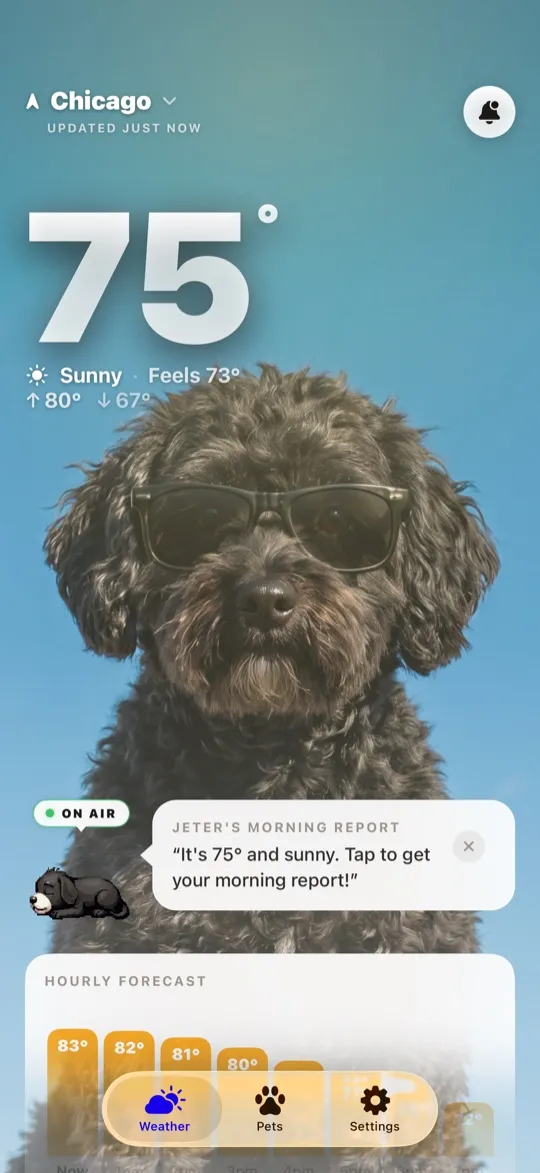
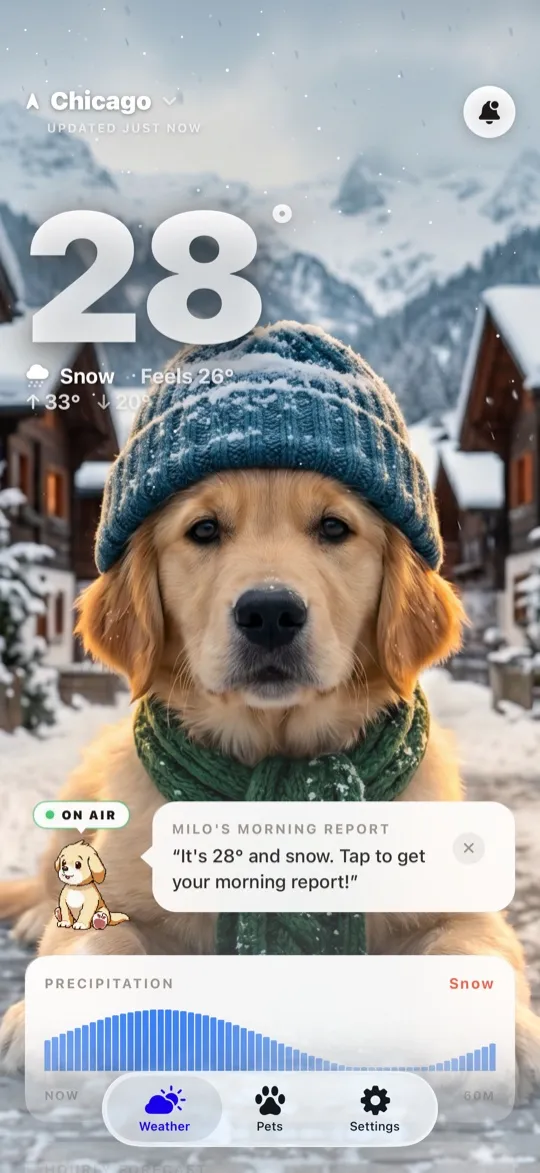
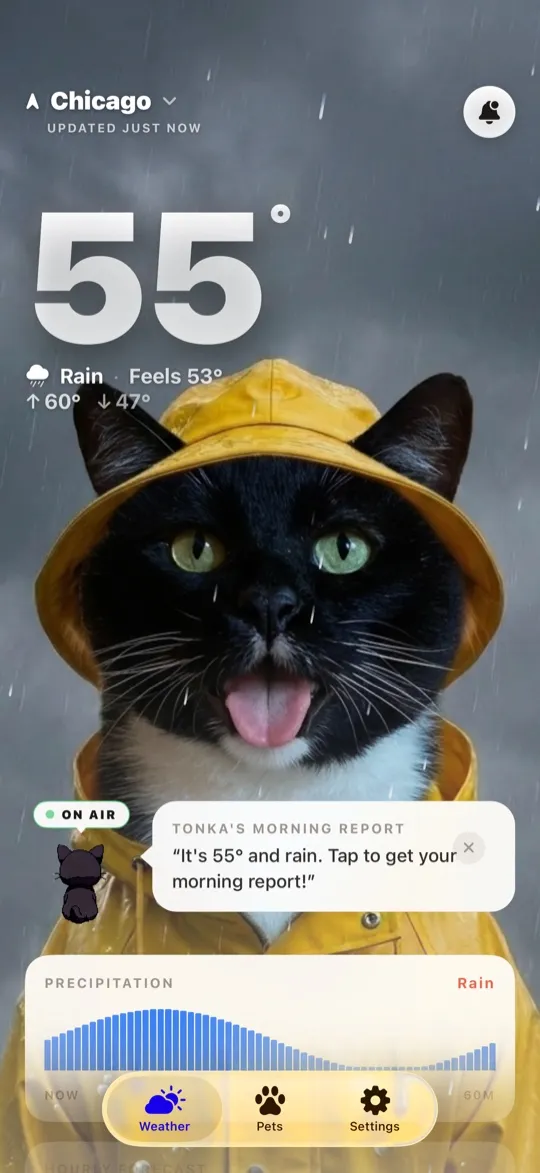
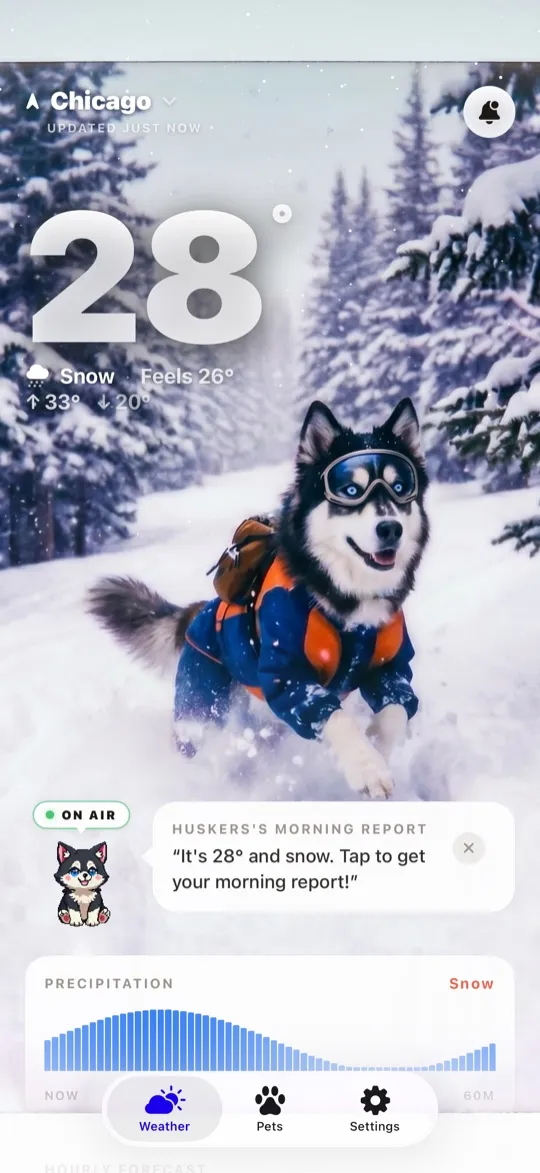
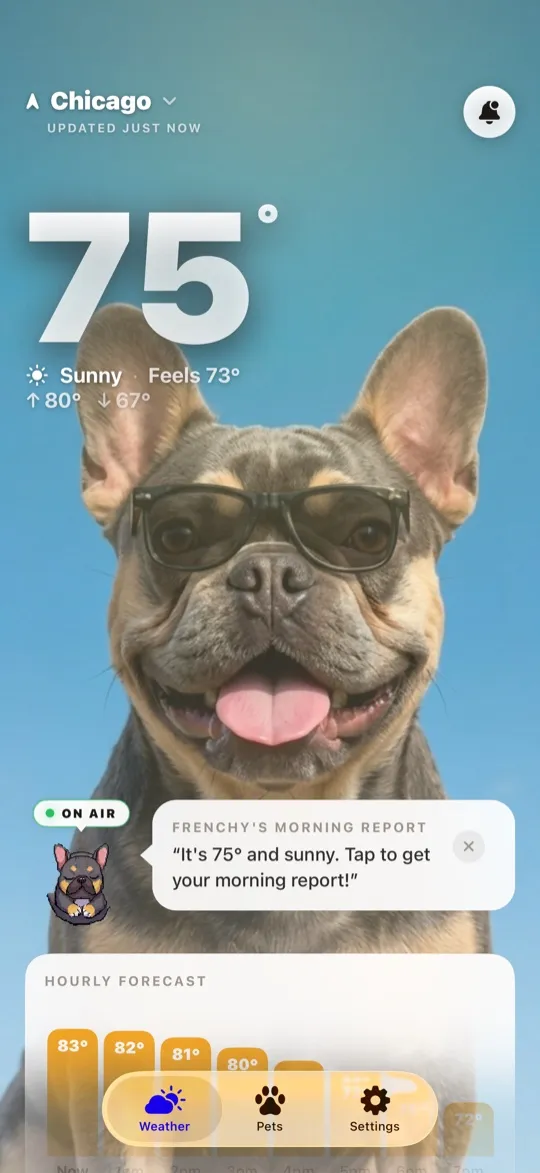
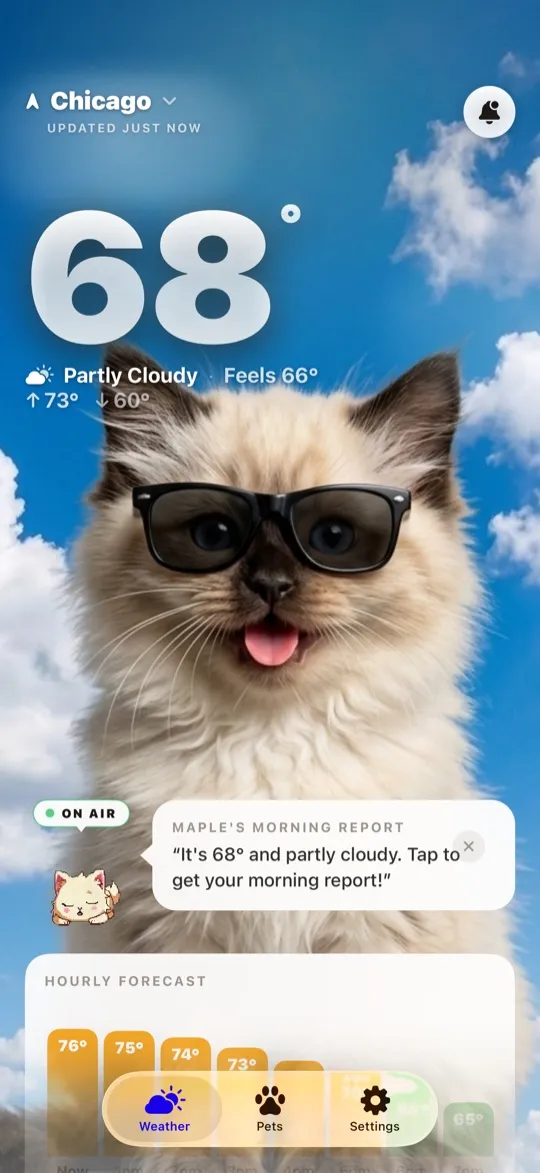
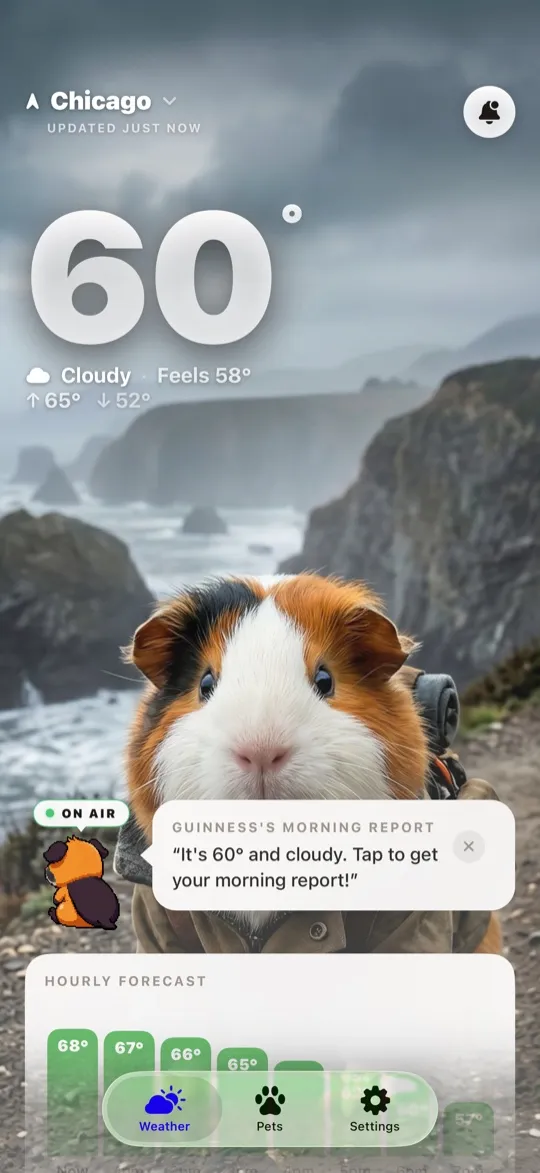
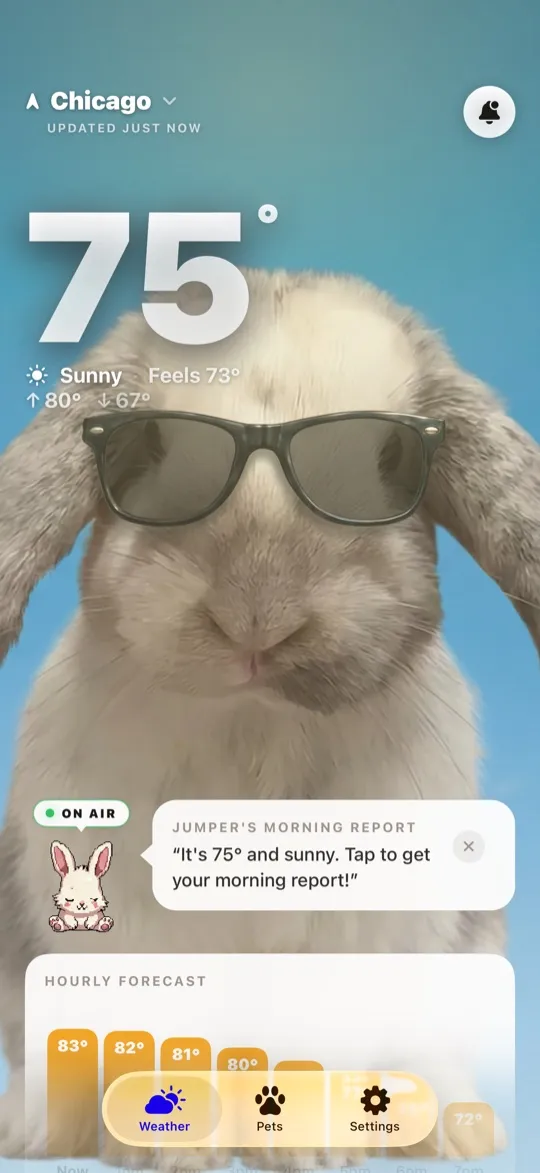
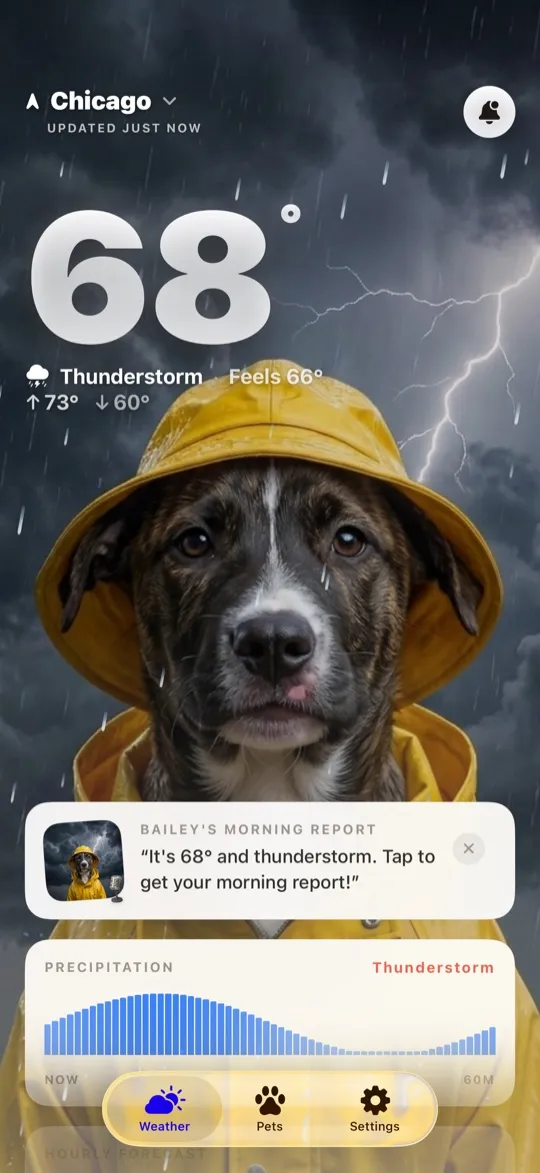
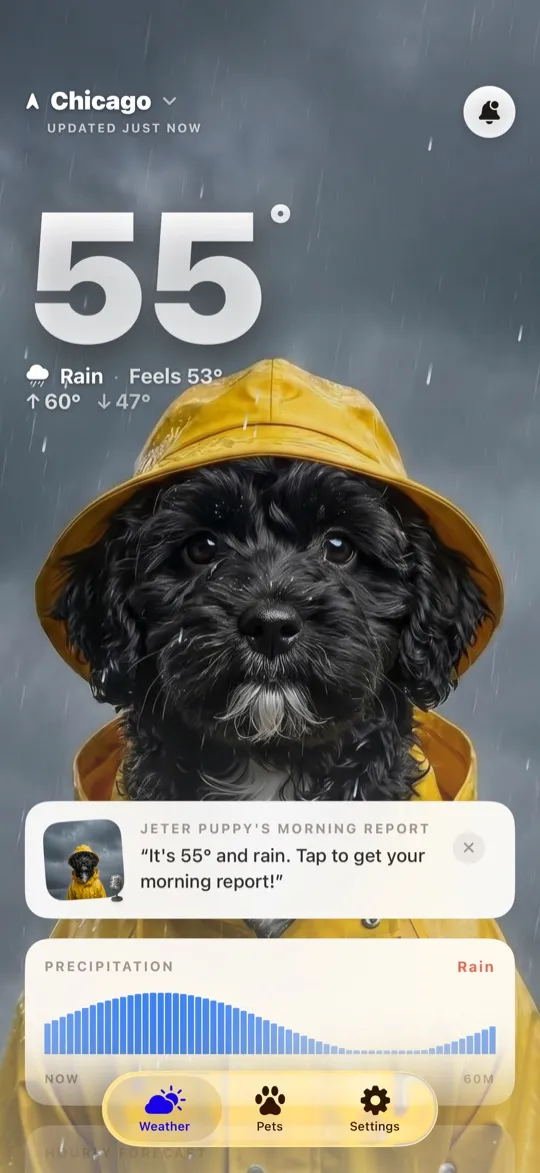
The thread running through all four seasons is the same: match the day to your dog. A glance at the heat in July or the wind chill in January tells you whether it is a long-adventure day or a keep-it-short one. With WeatherPets, your own golden delivers the day's forecast and a Live Activity that tracks conditions in real time, a fun daily nudge to plan walks, swims, and hikes around the weather your dog is actually facing.
Frequently asked questions
Are golden retrievers summer or winter dogs?
Winter, if you make them choose. That double coat is built for cold and most goldens genuinely love snow, while summer is the season that needs managing. But the honest answer is that they are an all-weather breed and each season simply asks something different: brushing in spring, heat management in summer, tick checks in fall, and paw care in winter. Fall is arguably their best season of all, being cool enough for the long hikes the breed craves.
Should I shave my golden retriever in summer?
No. The double coat is a year-round climate-control system that shields against heat as well as cold, and the American Kennel Club notes that shaving can disrupt that natural insulation and even interfere with healthy regrowth. Brush, do not buzz. A coat cleared of dead, matted undercoat actually breathes and insulates better than a shaved one.
When do golden retrievers shed the most?
Spring, when they blow the winter undercoat and the fur comes out in clouds. There is a second, usually lighter, shed in autumn as the coat thickens for winter. Goldens shed year-round at a low level in between. At the spring peak, daily brushing with an undercoat rake or slicker brush clears the loose underlayer before it reaches your furniture.
Do golden retrievers get too hot in summer?
Yes. The coat helps, but it is not a free pass, and the bigger problem is temperament: a golden will happily keep playing well past the point it should stop. Walk in the cool morning and evening hours, carry water, provide shade, and use their love of water. A kiddie pool or a safe swim is enrichment and temperature control in one.
Do golden retrievers need a coat in winter?
Most healthy adults do not. The double coat handles cold better than almost any breed you will meet in a suburb. Puppies and seniors feel it more and may want one on the bitterest days. What every golden needs is paw care: ice balls form between the toes, de-icing salt irritates pads, and a damp undercoat chills, so wipe the feet and dry the dog properly after snowy outings.
Gear that helps: for hot summer afternoons, a cooling mat gives your golden a cool spot to flop. See our full picks in the best cooling mats for dogs.
WeatherPets is an Amazon Associate and may earn from qualifying purchases, at no extra cost to you.
Conditions matter more for pets than the forecast alone shows. The Pet Safety Score in WeatherPets combines temperature, humidity, air quality, UV, wind, and more into one 0 to 100 read tuned to your specific pet. Meet your WeatherPet on the App Store.
Your daily forecast, delivered by your own pet.

A note on health: This article is general information, not a substitute for professional veterinary advice. If you are worried about your dog's allergies, skin, or overheating, or about any serious or emergency health concern, contact your veterinarian right away. Our guidance draws on trusted veterinary sources, including those linked above.
