How to Keep Cats Cool in Summer
Cats act like they invented sunbathing, so it is easy to assume they have heat handled. They do not. Cats are quiet sufferers: they hide discomfort until it is serious, and they cannot shed heat nearly as well as they pretend. The good news is that keeping a cat cool in summer is mostly about small, cheap changes, and you do not need central air to do it. Here is the full playbook, plus the warning signs that mean it is time to act fast.
Key takeaways
- Cats barely cool themselves. They do not sweat much and rarely pant, so they rely on you and the environment.
- Cool spots beat cold air. Tile floors, shade, blocked sun, and airflow let a cat pick its own comfort zone.
- Water is the summer battle. Cats are low drinkers; fountains, wet food, and multiple bowls help.
- Panting is a red flag. A panting cat is usually overheating, not cooling off. Take it seriously.
- Know the emergency signs. Drooling, red or pale gums, wobbliness, or vomiting in heat is a vet run.
Why cats struggle with heat more than they look
Cats descend from desert animals, so they tolerate warmth better than they tolerate cold, but that reputation gets them into trouble. Their cooling toolkit is small. Cats have sweat glands only in their paw pads, which does almost nothing across a furry body. They cannot pant efficiently the way dogs do. Their main move is grooming: licking their coat so that saliva evaporates and carries a little heat away. It works, barely, and it fails quickly in high humidity when nothing evaporates.
That leaves cats leaning on behavior, finding a cool surface, stretching out to lose heat, drinking, and staying still. When the environment does not offer those options, a cat has almost nowhere to dump heat. This is why indoor cats in a stuffy, sun-baked apartment can be more at risk than people realize, and why your job in summer is mostly about giving them better options.
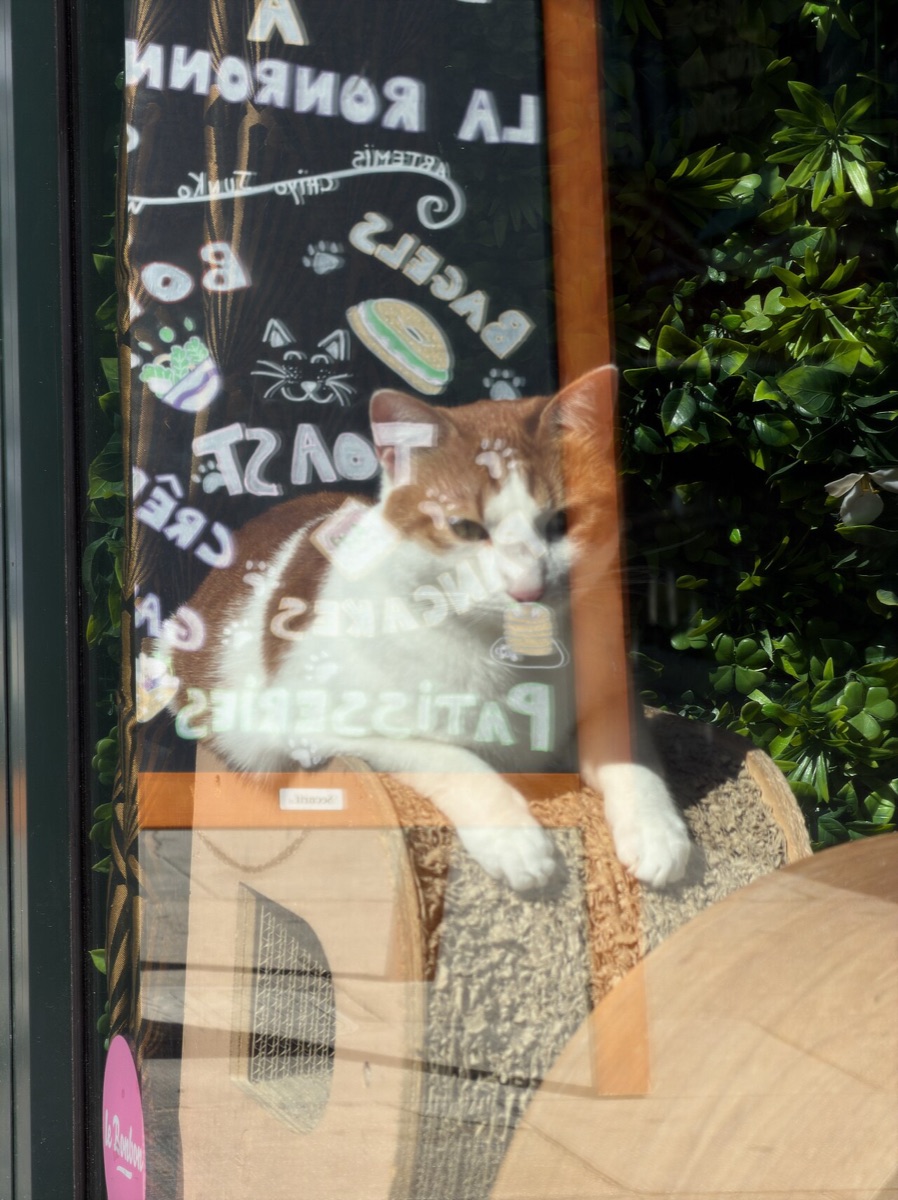
10 ways to keep your cat cool without AC
You can do almost all of this today, with things you already own. These tips draw on Catster's vet-reviewed hot-weather guide and general warm-weather advice from the ASPCA's hot-weather safety tips.
- Open up the cool floors. Tile, stone, and bathroom or laundry-room floors stay cooler than carpet. Pull back a rug so your cat can sprawl on bare, cool surfaces.
- Block the sun during peak hours. Close blinds or blackout curtains on sunny sides from late morning to evening. A closed-up sunroom can turn into an oven, so keep those doors shut.
- Move air with fans. Cats do not cool from a breeze as efficiently as we do, but airflow still helps evaporation and comfort. For an extra boost, set a fan blowing across a bowl of ice.
- Offer more water, in more places. Put several bowls around the home in cool, shaded spots and refresh them often. Wide, shallow bowls keep sensitive whiskers happy.
- Try a pet fountain. Many cats prefer moving water and drink more from a fountain than a still bowl, which matters when dehydration is the summer risk.
- Add moisture to meals. Wet food, or a splash of water mixed into meals, sneaks extra hydration into a cat that will not drink enough on its own.
- Make a safe cool pad. Wrap a frozen water bottle or freezer block in a towel and set it in a favorite napping spot, so your cat can lean against it by choice. Never force contact or place bare ice against skin.
- Brush more often. Loose undercoat traps heat. Daily brushing in summer removes that insulation and helps your cat shed warmth. Skip the shave, though, since the coat also protects against sunburn.
- Do a damp-cloth wipe-down. Gently stroking your cat with a cool, damp cloth, especially the head, ears, and belly, adds a little evaporative cooling most cats tolerate well.
- Never trap a cat in heat. No hot cars, no closed balconies or greenhouses, and make sure a cat cannot get shut in a stifling room. Trapped spaces are where heat turns deadly.
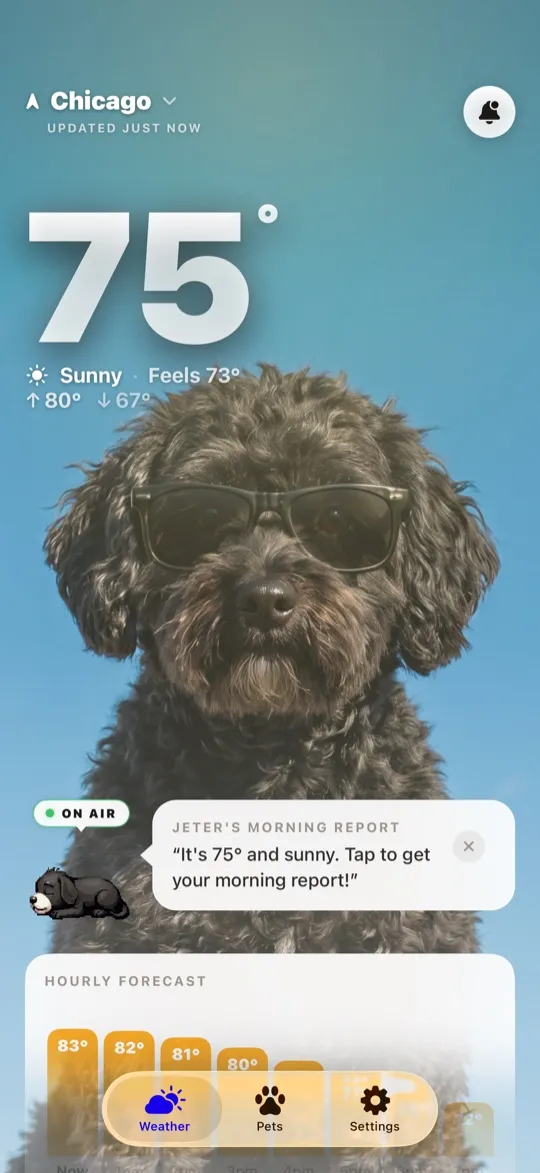
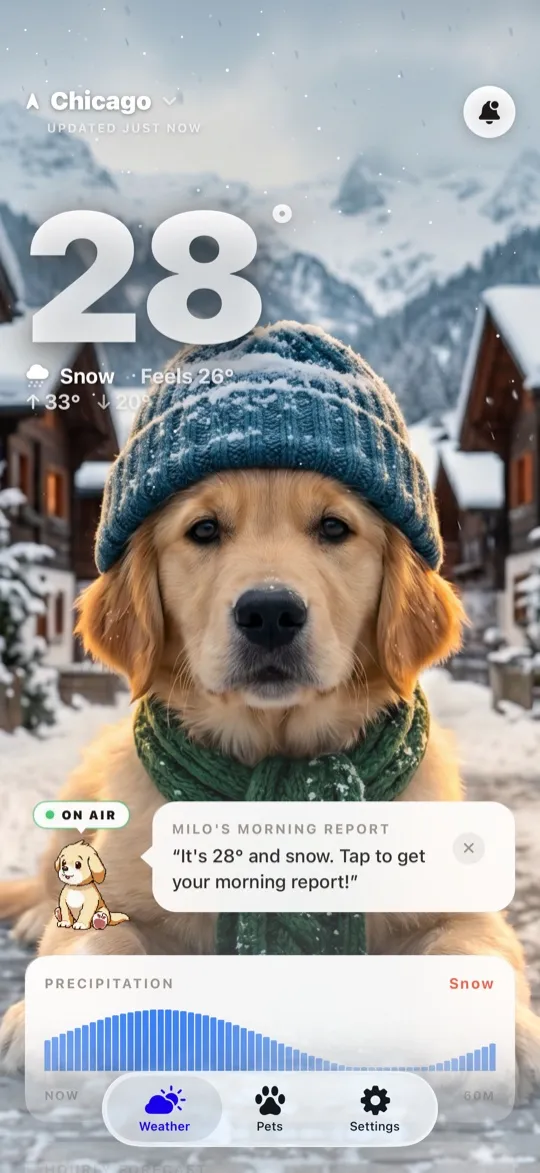
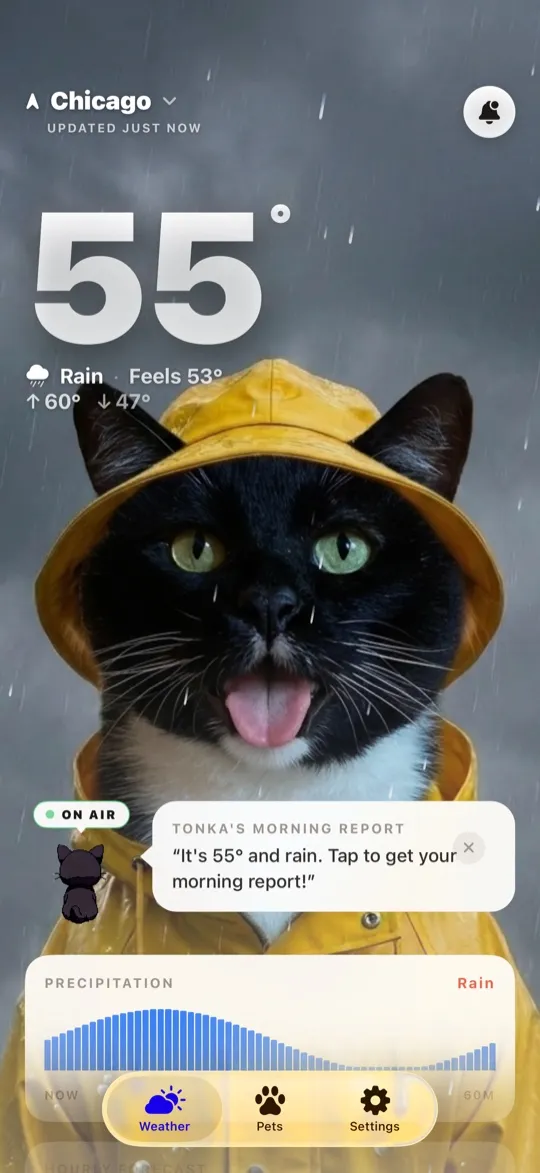
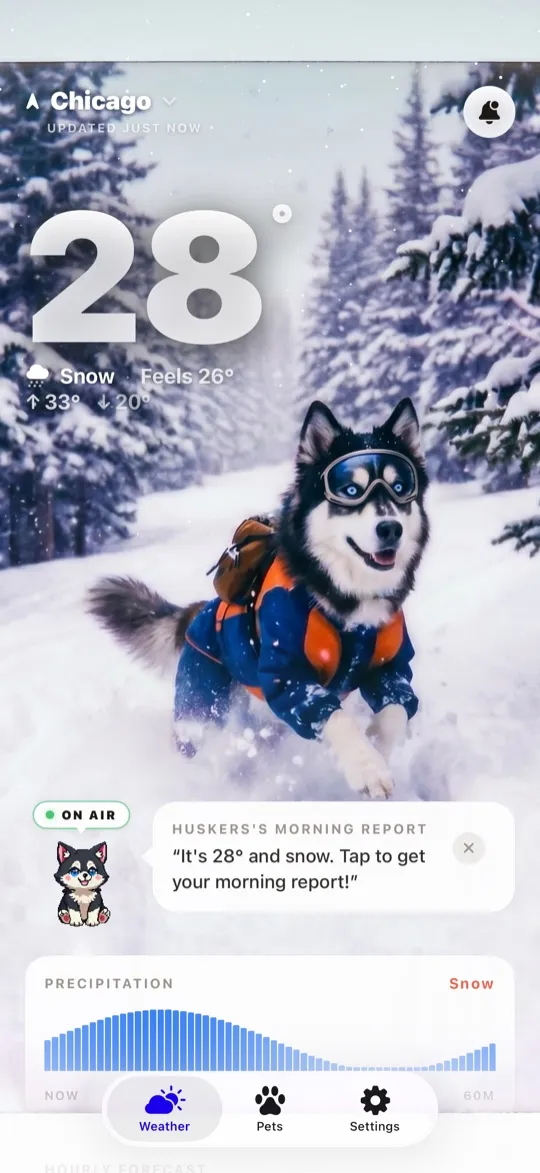
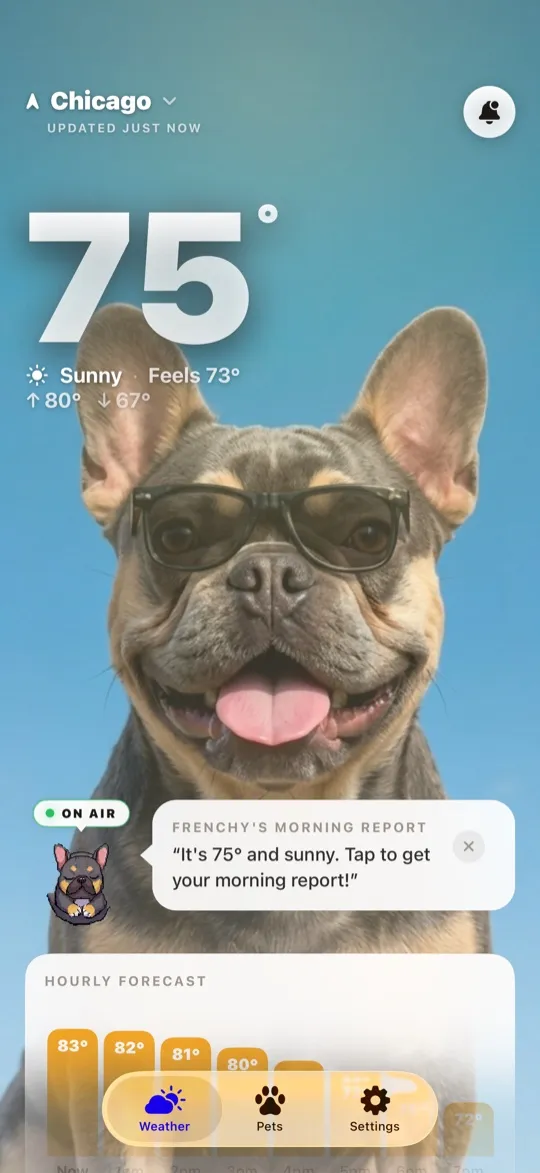
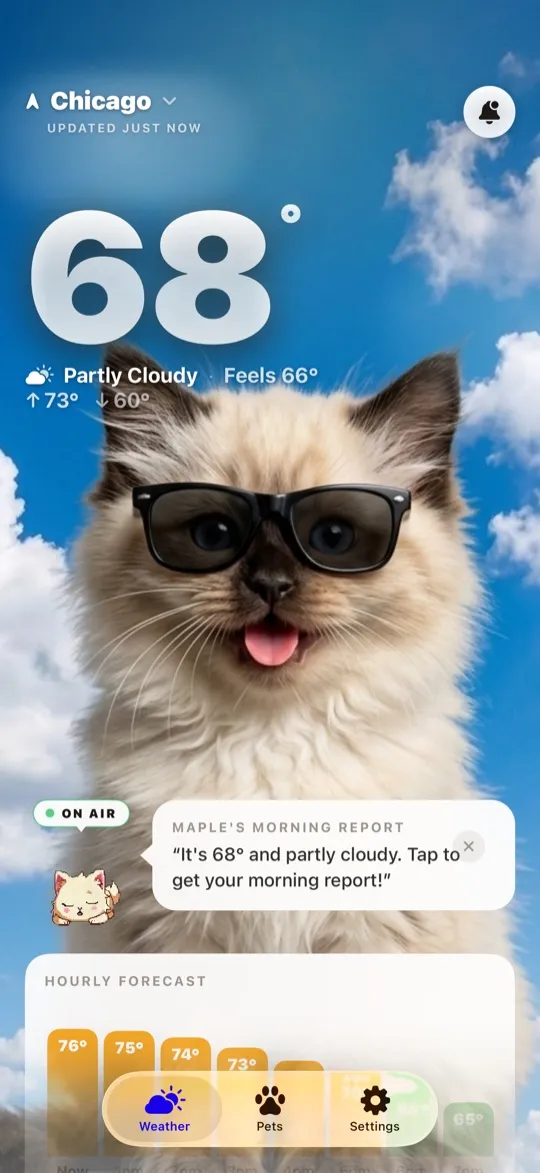
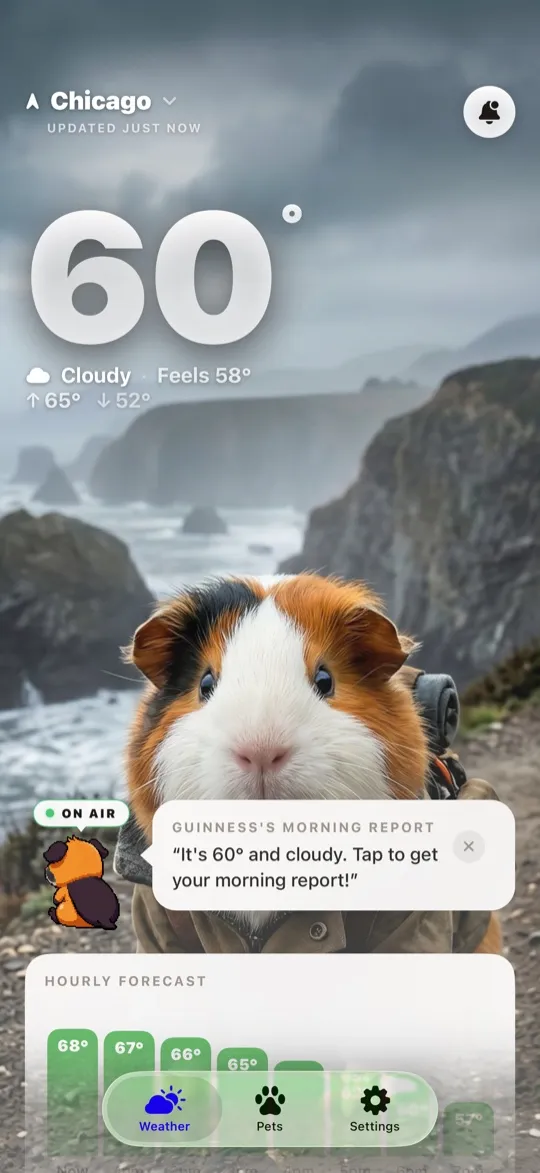
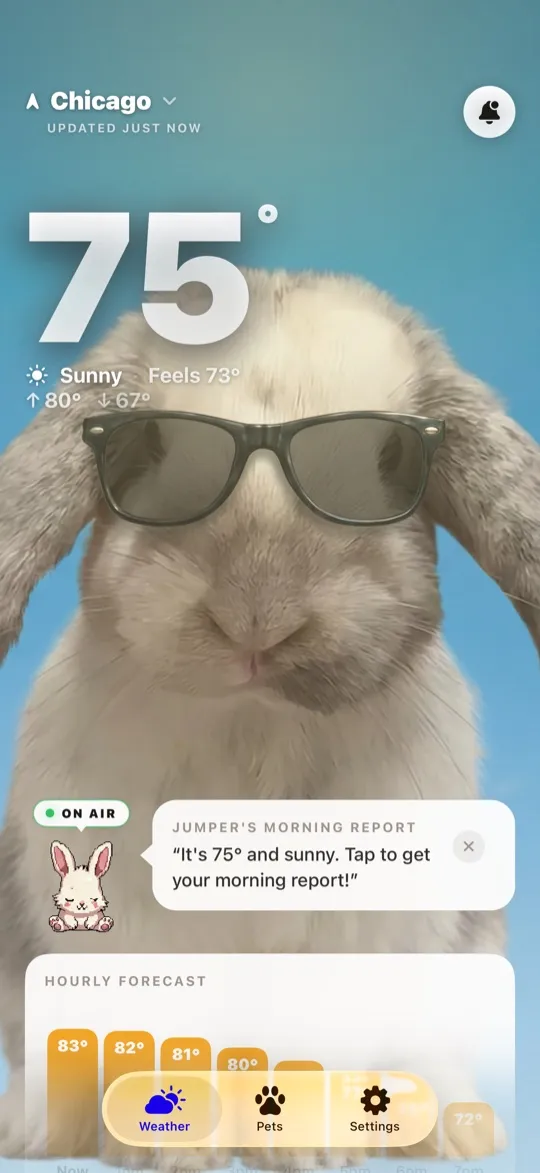
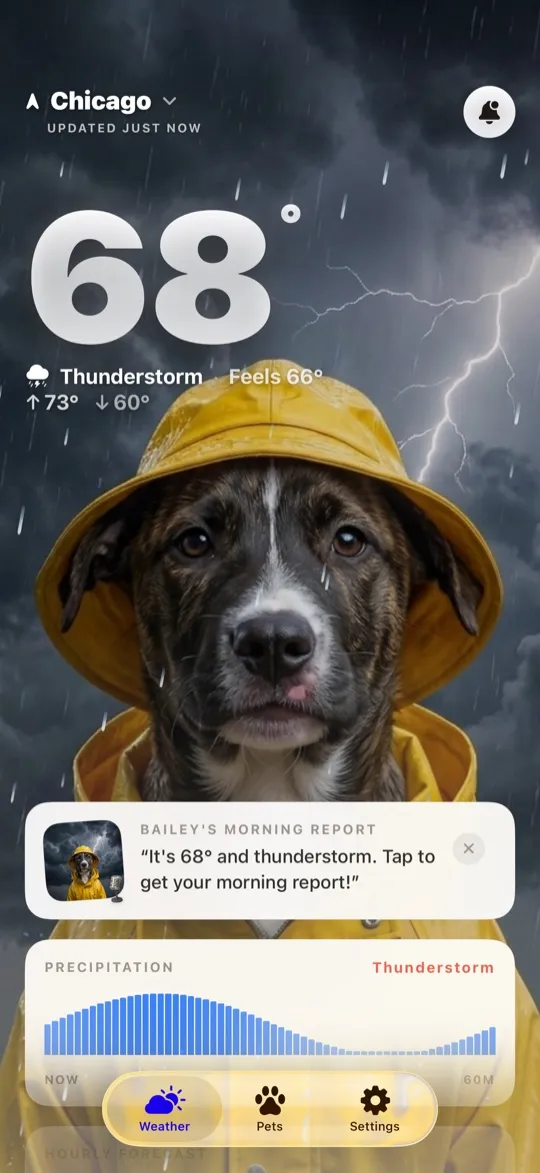
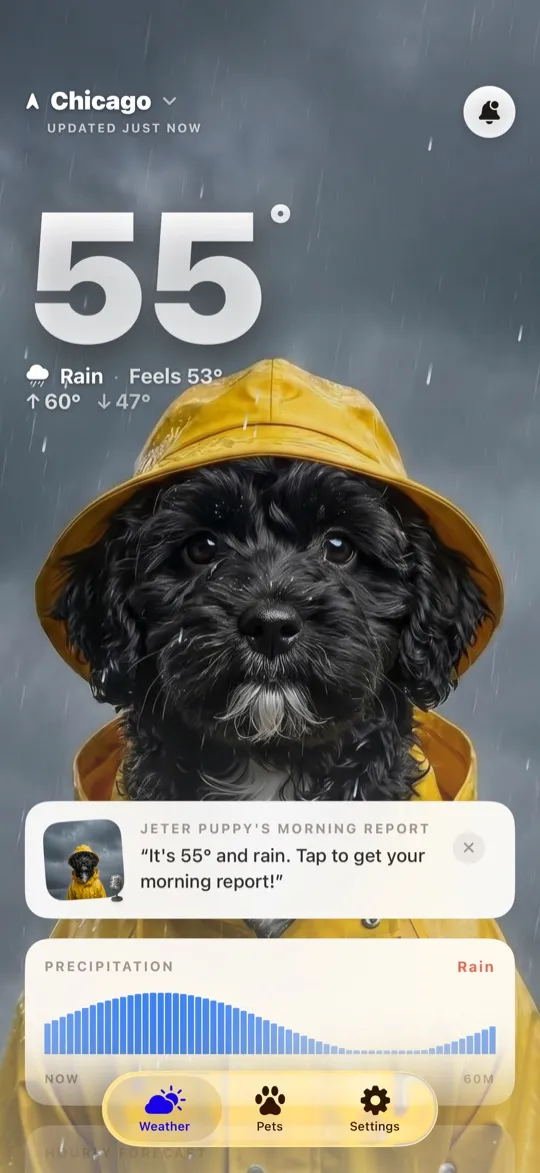
Cats overheat on the days you least expect, the muggy ones that do not look that hot. WeatherPets turns the forecast into a daily heads-up from your own pet, so a heat spike never sneaks up on you. Download WeatherPets and pick your pet.
The overheating signs every cat owner should know
Because cats mask distress, the difference between "warm and sleepy" and "in trouble" can be subtle until it is not. The single most important rule: a panting cat is a warning. As PetMD's guide to heatstroke in cats explains, cats do not normally pant to cool down, so heavy or open-mouth breathing in the heat is often one of the first signs of a cat struggling to cope.
| Stage | What you might see | What to do |
|---|---|---|
| Early / mild | Seeking cool surfaces, grooming more than usual, mild low energy, slightly faster breathing, warm ears | Move to a cool room, offer water, reduce activity, watch closely |
| Warning | Panting or rapid breathing, drooling, restlessness, warm paw pads | Actively cool the cat, dampen the fur, call your vet for advice |
| Emergency | Bright red or pale gums, vomiting, stumbling, weakness, collapse | Cool with room-temp water and go to a vet immediately |
If you suspect heatstroke, move your cat to a cooler spot, offer fresh water, and dampen the coat with cool but not ice-cold water (icy water can constrict blood vessels and slow cooling). Then call your veterinarian right away. Panting that does not improve within a few minutes of cooling always needs a vet.
Know your cat's normal, and the days to watch
A simple home baseline helps you catch trouble early. When your cat is calm or asleep, count the breaths (one rise and fall of the chest is one breath) for 30 seconds and double it. Per VCA Animal Hospitals, a resting cat generally breathes under about 30 to 35 times per minute. A resting rate that runs higher, or open-mouth breathing at rest, is a reason to call your vet.
Some cats need extra care sooner: kittens and seniors, flat-faced breeds like Persians, overweight cats, long-haired cats, and any cat with heart or breathing issues. On hot or humid days, check on those cats more often and keep their coolest options within easy reach. For the deeper dive on feline heat risk, see our guide to hot-weather safety for cats, and for the long indoor days of summer, our weather-based enrichment ideas for indoor cats keep a bored, overheated cat happier.
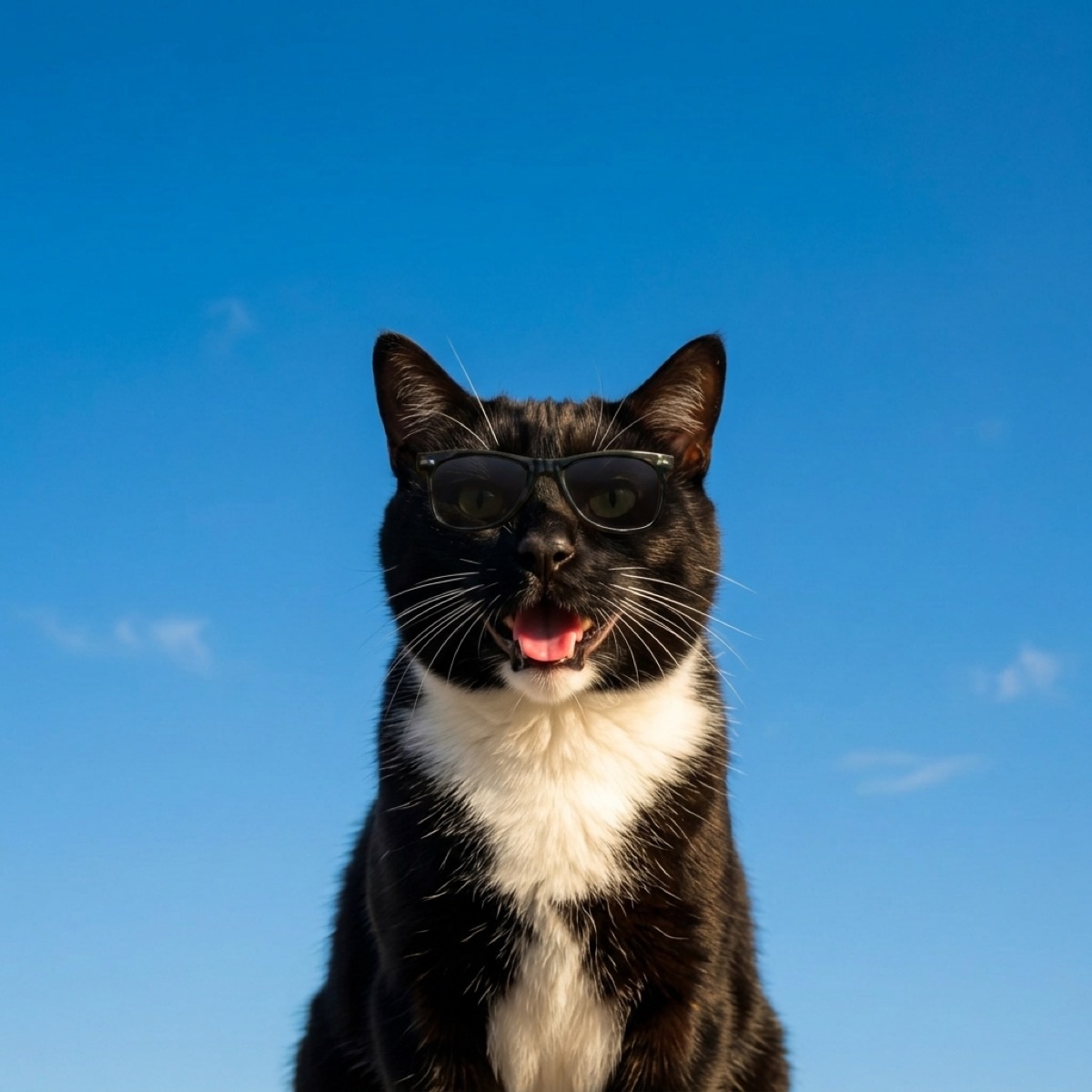
Gear that helps: a fountain nudges low-drinking cats to take in more water in the heat, like the Pioneer Pet Raindrop Stainless Steel Pet Fountain. See our full picks in the best pet water fountains.
WeatherPets is an Amazon Associate and may earn from qualifying purchases, at no extra cost to you.
Frequently asked questions
How do I keep my cat cool in summer without air conditioning?
Give your cat cool places and plenty of water. Open up cool tile or bathroom floors, close blinds during peak sun, run fans (a fan blowing over a bowl of ice cools the air further), offer multiple water sources or a fountain, add wet food or ice cubes, brush out excess fur, and gently wipe your cat with a damp cloth. Cats manage best when they can choose the coolest spot in the house.
Do cats pant like dogs when they are hot?
No. Unlike dogs, cats rarely pant, so panting in a cat should always get your attention. Occasional open-mouth breathing after intense play can happen, but panting that appears in the heat, or that does not settle within a few minutes of resting in a cool spot, is often an early sign of overheating and needs prompt attention.
What are the signs of heatstroke in cats?
Watch for panting or rapid breathing, drooling, restlessness or lethargy, bright red or very pale gums, vomiting, stumbling, and warm ears or paw pads. Early signs include seeking cool surfaces and grooming more than usual. Heatstroke is an emergency: move your cat somewhere cool, offer water, dampen the fur with cool (not ice-cold) water, and call your vet right away.
What temperature is too hot for cats indoors?
Cats are comfortable in roughly the same indoor range as people. Sustained indoor temperatures above the mid-80s Fahrenheit, especially with high humidity or no airflow, raise the risk of heat stress, and rooms like sunrooms or closed cars can climb far higher and fast. Kittens, seniors, flat-faced breeds, and overweight or long-haired cats feel it sooner.
Do cats drink enough water in hot weather?
Many cats are naturally low drinkers, which makes summer dehydration a real risk. Encourage water by offering several bowls in cool, shaded spots, keeping the water fresh, adding wet food, and trying a pet fountain, since many cats prefer moving water. Ice cubes in the bowl can tempt a reluctant drinker on hot days.
Cats hide discomfort well, which makes the conditions worth checking even for an indoor cat. The Pet Safety Score in WeatherPets builds a comfort profile for each pet, cats included, and turns the day's heat, humidity, and air quality into one 0 to 100 read. Meet your WeatherPet on the App Store.
Your daily forecast, delivered by your own pet.

A note on health: This article is general information, not a substitute for professional veterinary advice. If you suspect your cat is overheating or facing any serious or emergency health concern, contact your veterinarian right away. Our guidance draws on trusted veterinary sources, including those linked above.
