Dog Breeds That Handle Heat Best (and Worst)
Two dogs can stand in the same backyard at 95 degrees and have completely different days. One barely notices. The other is in real danger. A lot of that comes down to how a breed is built: muzzle length, coat, and body shape. Here are the dogs that take heat in stride, the ones that struggle most, and why it matters for every owner in summer.
What makes a dog heat-tolerant
Dogs cool off mainly by panting, moving air across a wet tongue and airway to shed heat. So the dogs that handle heat best tend to share a few traits: a longer muzzle (more surface area to cool that incoming air), a lean body that holds less heat, and a short, single coat that does not trap warmth. Many of the best hot-weather breeds trace back to hot parts of the world, which is no accident.
1. Greyhound and Whippet
Lean, leggy, and short-coated, sighthounds are some of the most heat-efficient dogs around. Very little body fat, a thin coat, and a long nose make for excellent cooling. Bonus: despite the racing reputation, they are famous couch potatoes who are happy to nap through the hottest hours.
2. German Shorthaired Pointer
A working gundog bred to run for hours in the field. Athletic, short-coated, and long-muzzled, the GSP handles warm-weather exercise well, as long as you bring water and respect the midday heat.
3. Vizsla
The "Velcro dog" from Hungary has a sleek single coat and a lean, athletic frame. Vizslas were built to hunt in warm climates and tolerate heat better than most high-energy breeds, though their stamina means they will run past their own limits if you let them.
4. Chihuahua
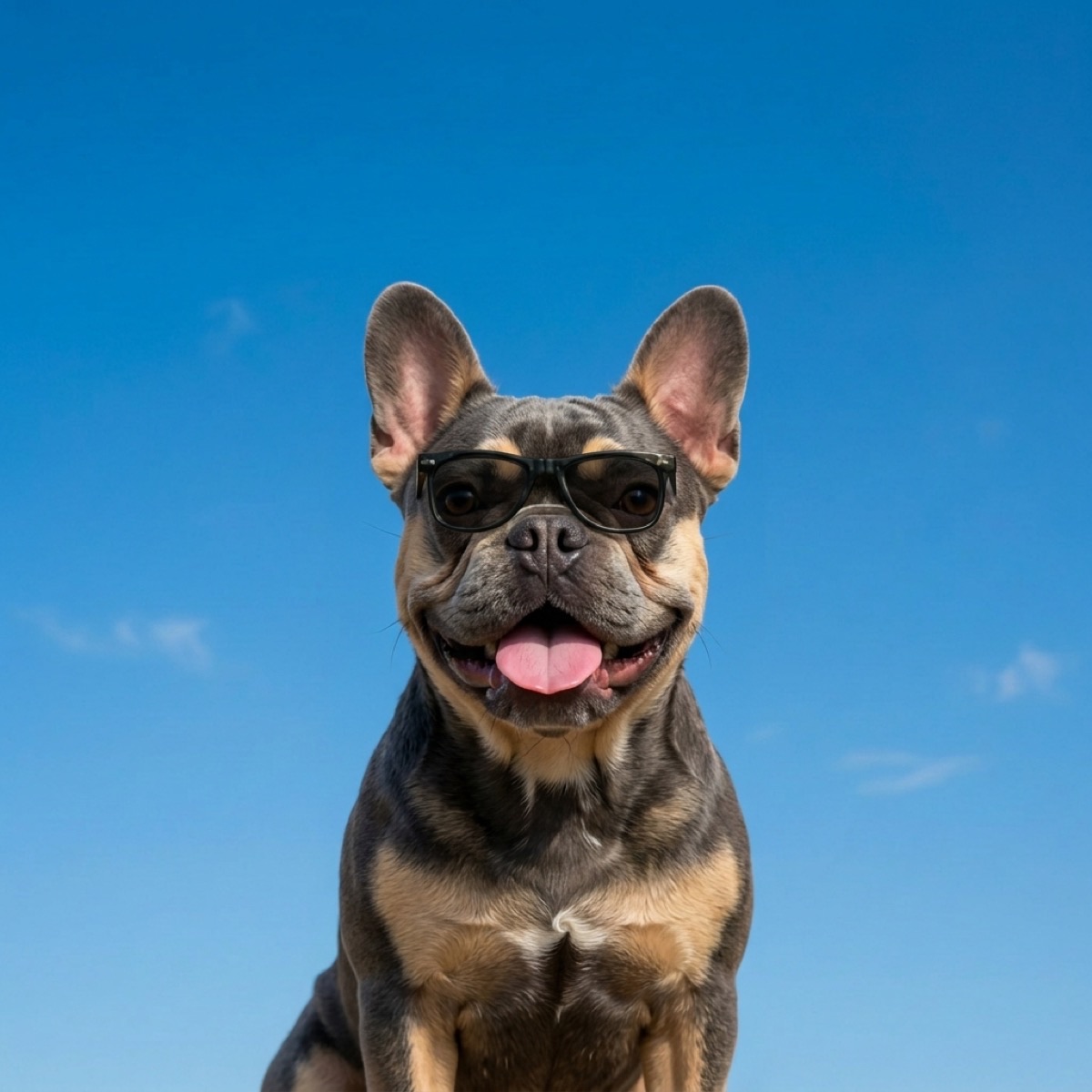
Tiny, short-coated, and native to Mexico, Chihuahuas genuinely enjoy warmth and often seek out the sunniest spot in the house. Their size means they still need shade and water, but heat is rarely their problem (cold is).
5. Australian Cattle Dog
Bred to work livestock under the Australian sun, the Cattle Dog is tough, weather-hardy, and built for warm conditions. A dense but short coat and serious endurance make this a genuine hot-climate working breed.
6. Doberman Pinscher
Sleek, short-coated, and lean, Dobermans shed heat well and have very little insulation to trap it. They feel the cold far more than they feel the heat.
7. Dalmatian
Another short-coated athlete with a long muzzle and a history of trotting alongside carriages for miles. Dalmatians handle warm-weather activity well when kept hydrated.
8. Basenji
The "barkless dog" from Central Africa has a fine short coat and a fastidious, cat-like tolerance for heat. Few breeds are more at home in warm weather.
The breeds that struggle most in heat
Two groups need extra care when the temperature climbs.
Flat-faced (brachycephalic) breeds. French Bulldogs, English Bulldogs, Pugs, Boxers, and Boston Terriers have shortened airways that make panting far less efficient, so they overheat faster and at lower temperatures than other dogs. The AVMA's warm weather safety guidance specifically flags brachycephalic dogs as high-risk in the heat. If you own one, summer is a season of shade, air conditioning, and very short midday outings.
Heavy double-coated breeds. Huskies, Malamutes, Saint Bernards, Chow Chows, and Newfoundlands carry thick insulating coats built for cold. They can adapt to warm climates, but they heat up faster and need careful management. (And no, you should not shave a double coat: that coat insulates against heat as well as cold.) The AKC's guidance on overheating in dogs is a good primer on which dogs need the most watching.
Any dog can overheat: the rules that apply to all of them
Breed stacks the odds, but heatstroke does not check pedigree. Whatever you own:
- Walk in the cool edges of the day, early morning and after sunset, and skip hot pavement.
- Always carry water and offer it often on warm outings.
- Provide shade and airflow, never a parked car, and watch the humidity, which makes panting less effective.
- Know the warning signs: heavy frantic panting, drooling, wobbliness, bright red gums, or collapse. That is an emergency.
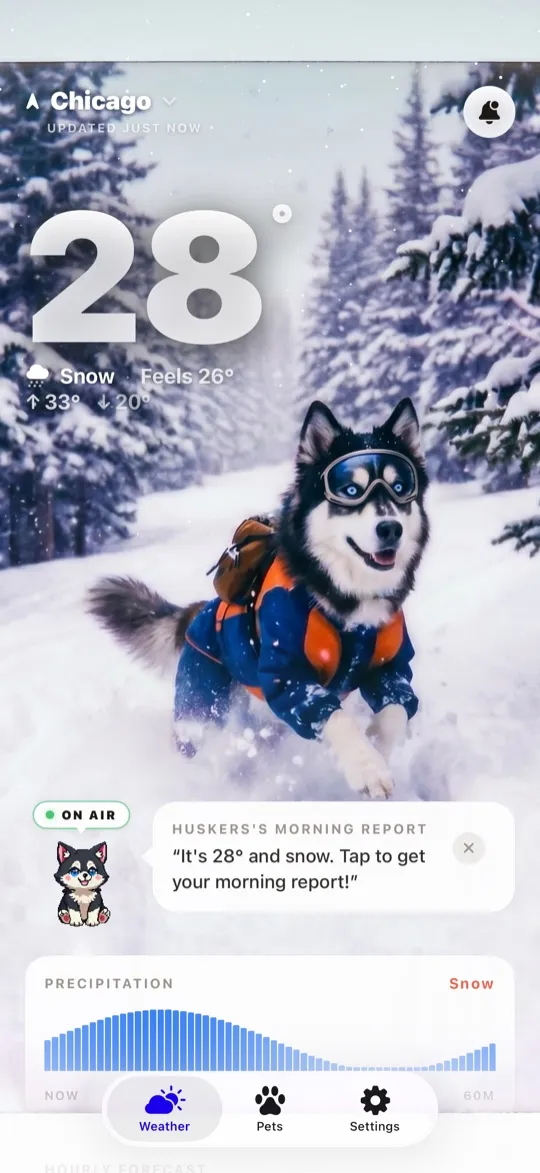
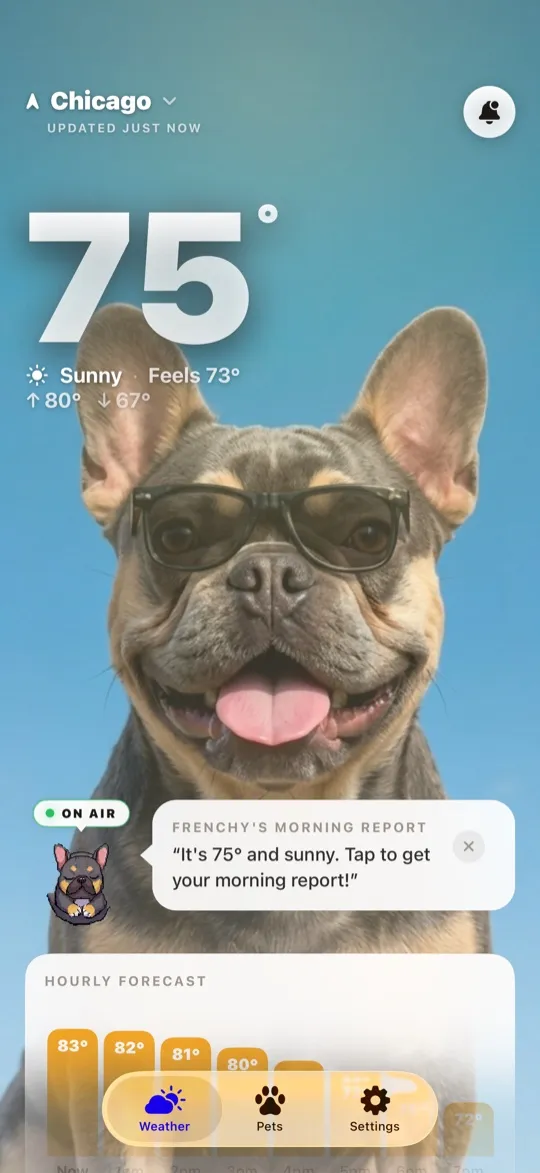
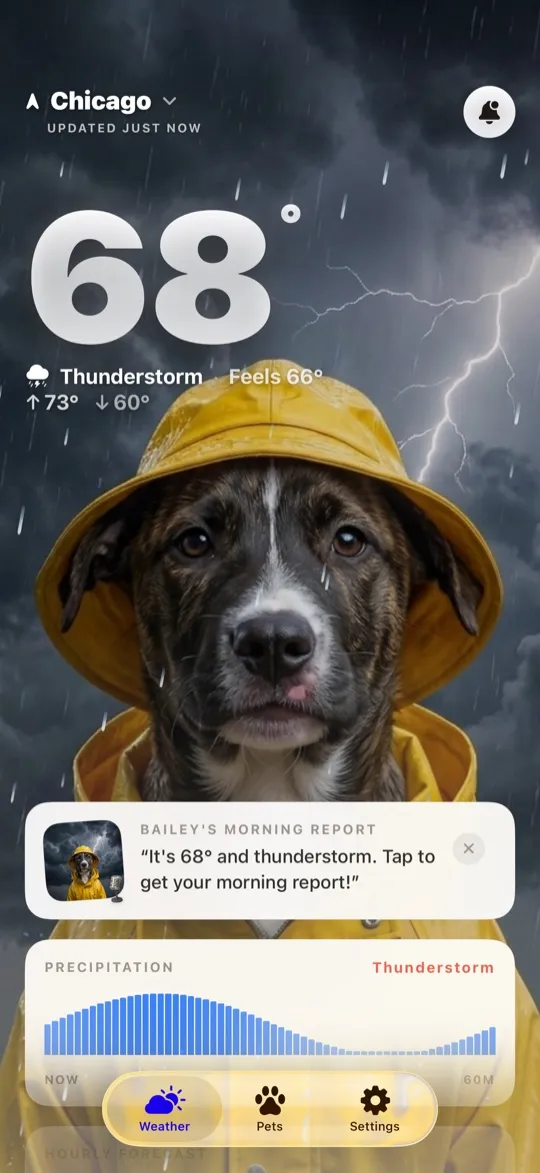
The easiest habit of all is checking the heat before you head out. With WeatherPets, your own dog delivers the day's high and a Live Activity that tracks conditions in real time, which is a gentle daily nudge to plan walks around the heat instead of getting caught out by it. For a heat-sensitive breed, that glance can be the difference between a good day and a scary one.
Gear that helps: for heat-sensitive breeds, an evaporative cooling vest buys real relief on warm walks. See our full picks in the best dog cooling vests and cooling mats.
WeatherPets is an Amazon Associate and may earn from qualifying purchases, at no extra cost to you.
Your daily forecast, delivered by your own pet.