Dog Heatstroke: The Warning Signs Every Owner Should Know
Heatstroke is one of the few summer emergencies that can go from "my dog seems tired" to life threatening in a matter of minutes. The good news is that it is almost entirely preventable once you know what to watch for.
Dogs do not sweat the way we do. They shed heat mostly by panting and a little through their paw pads, which makes them far less efficient at cooling down than people. On a hot, sticky afternoon, a dog can overheat long before you feel uncomfortable yourself. Knowing the early signs, and acting on them fast, is the difference between a scary moment and a tragedy.
What heatstroke actually is
A healthy dog runs a body temperature of roughly 101 to 102.5 F. Heat exhaustion begins when that climbs into the 103 to 104 range. Once a dog's core temperature passes about 104 F it crosses into heatstroke, and above 106 F the risk of organ damage and death rises sharply, according to the American Kennel Club. The internal damage can continue even after you start cooling your dog down, which is why early action matters so much.
The early warning signs
Most cases announce themselves gradually. Catch them at this stage and you can usually turn things around quickly:
- Heavy, frantic panting that does not slow when your dog rests
- Excessive drooling, often thicker and stickier than normal
- Bright red gums and tongue
- Slowing down, lagging behind, or lying down and refusing to move
- A dazed or anxious look, seeking shade or water with urgency
The serious signs that mean act now
If you see any of the following, the situation is an emergency. Begin cooling your dog and call your veterinarian on the way:
- Staggering, weakness, or trouble standing
- Vomiting or diarrhea, sometimes with blood
- Gums that turn pale, blue, or gray
- Confusion, collapse, tremors, or seizures
Which dogs are most at risk
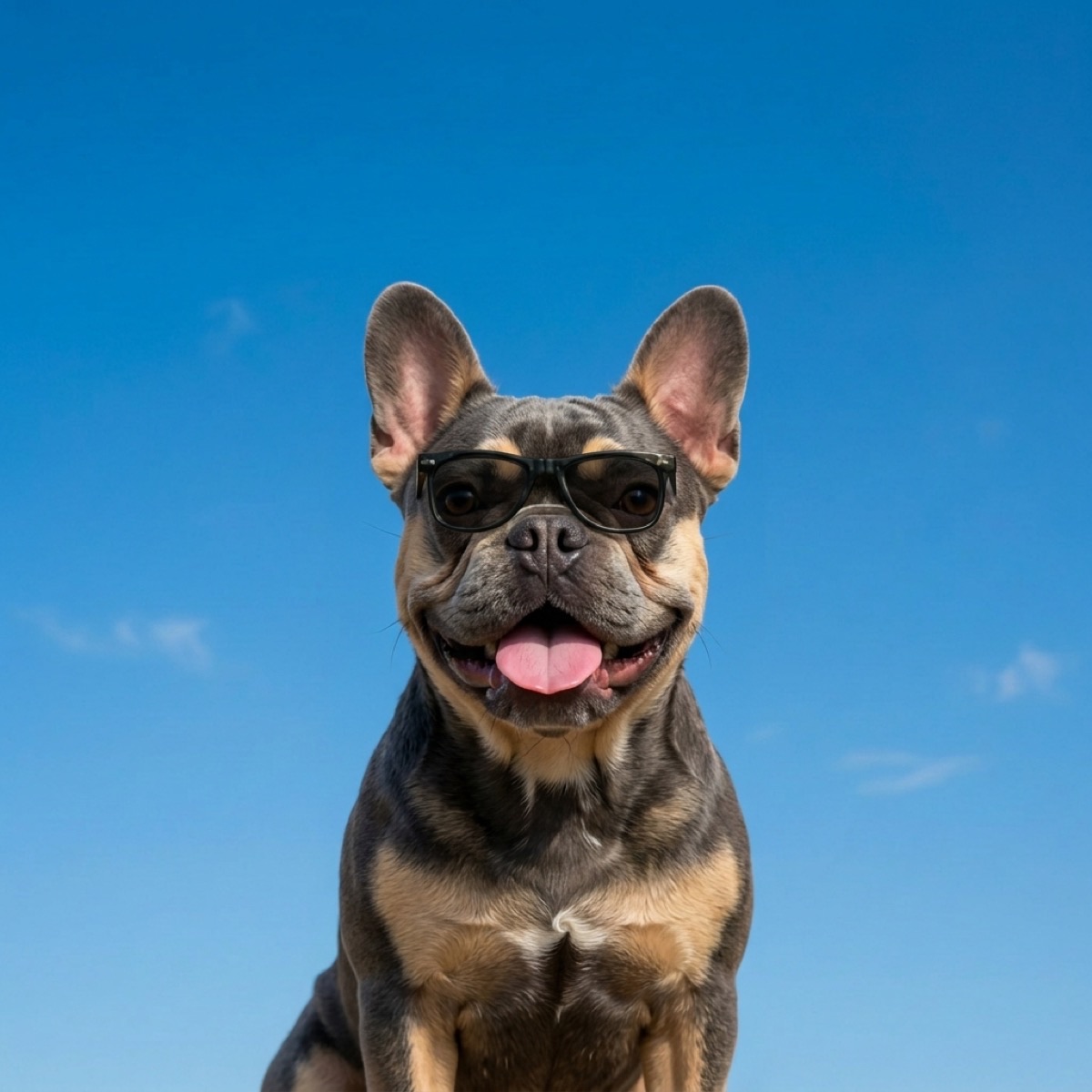
Any dog can overheat, but some are far more vulnerable. Flat-faced (brachycephalic) breeds such as French bulldogs, Pugs, and Bulldogs cannot pant efficiently, so they heat up quickly. Puppies and senior dogs, overweight dogs, thick-coated northern breeds, and dogs with heart or airway conditions all sit higher on the risk list too. The American Veterinary Medical Association notes that a parked car is the single most dangerous spot of all: even on a mild day the interior can climb to deadly temperatures within minutes, so never leave a dog in a car.
What to do if you suspect heatstroke
Move quickly and calmly:
- Get your dog out of the heat and into shade or air conditioning.
- Offer small amounts of cool (not ice cold) water to drink.
- Wet the body with cool water, focusing on the belly, armpits, and paws. Aim a fan at the wet fur to speed evaporation.
- Do not use ice or ice water, which can constrict blood vessels and slow cooling.
- Call your vet right away, even if your dog seems to recover. Internal damage is not always visible.
Prevention is the real win
Almost every heatstroke case is avoidable. Walk during the cooler edges of the day, carry water on every outing, and learn your region's heat index, which combines temperature and humidity into a single "feels like" number. The National Weather Service explains why a humid 88 F day can be more dangerous than a dry 95 F one, and the same logic applies to your dog. On high-humidity days, panting simply cannot keep up.
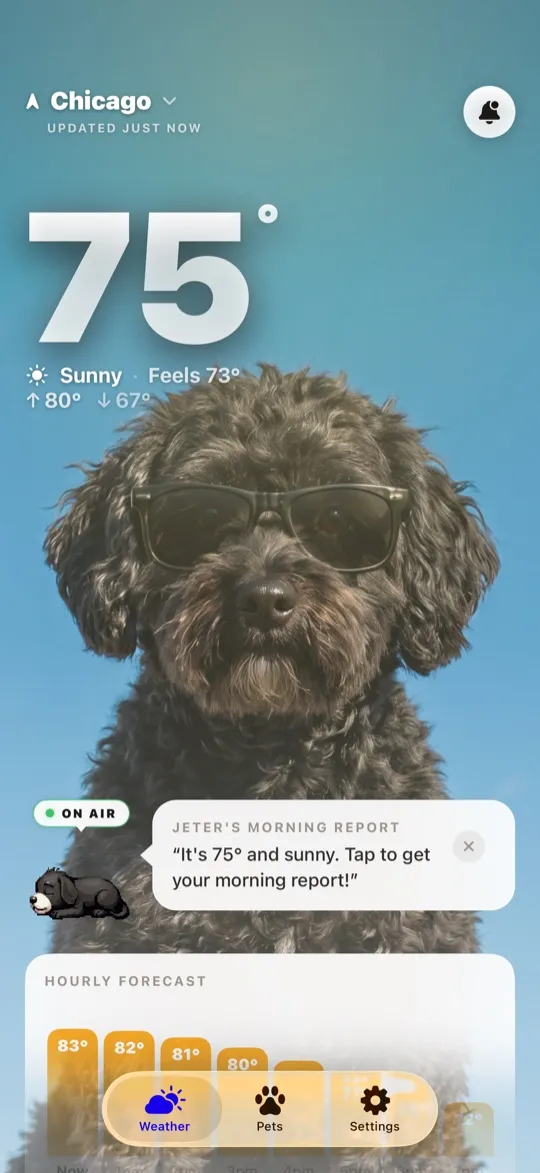
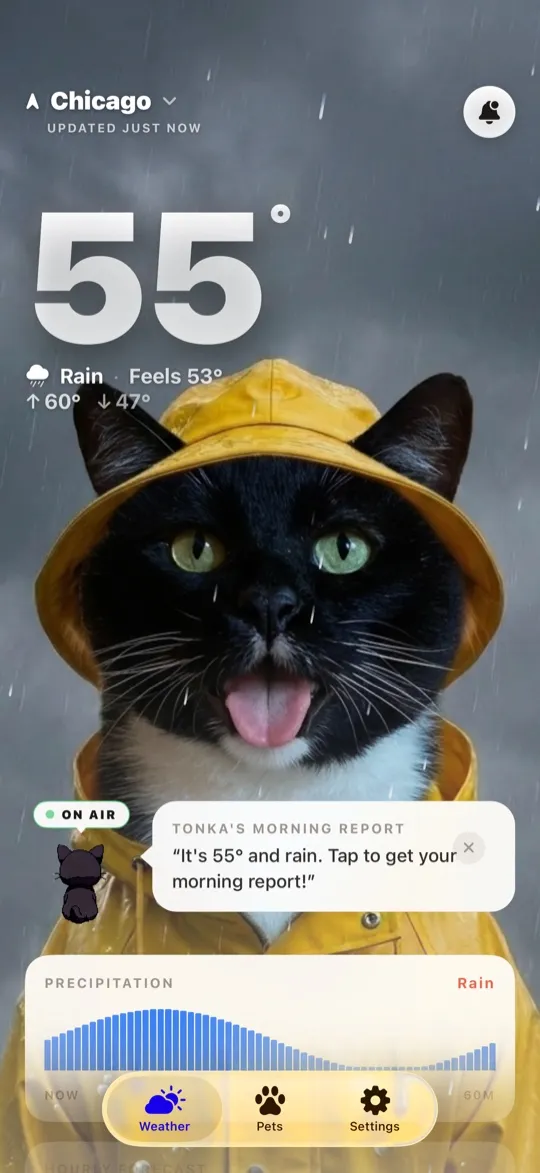
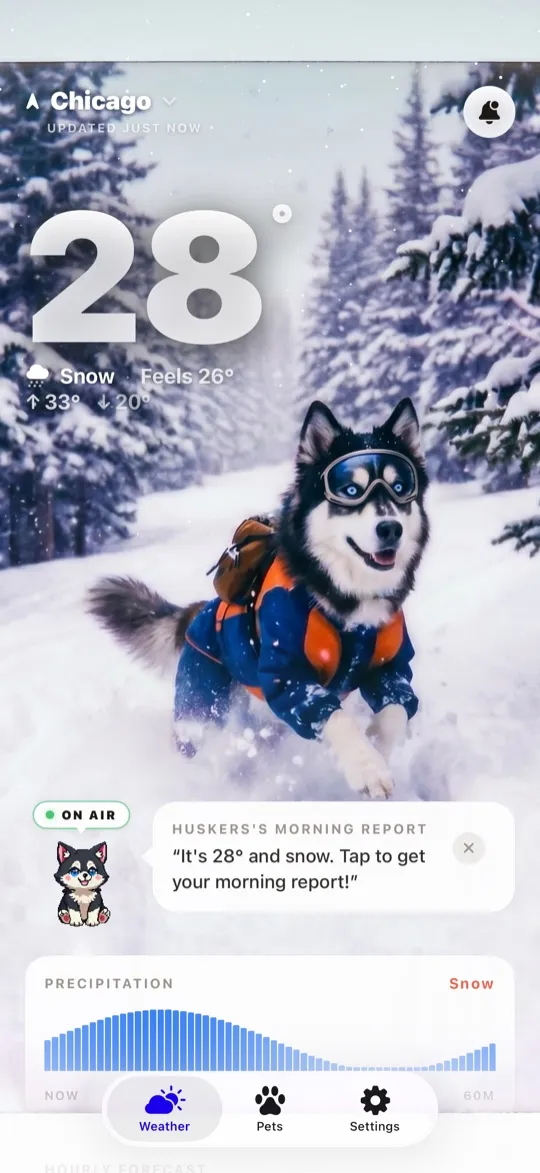
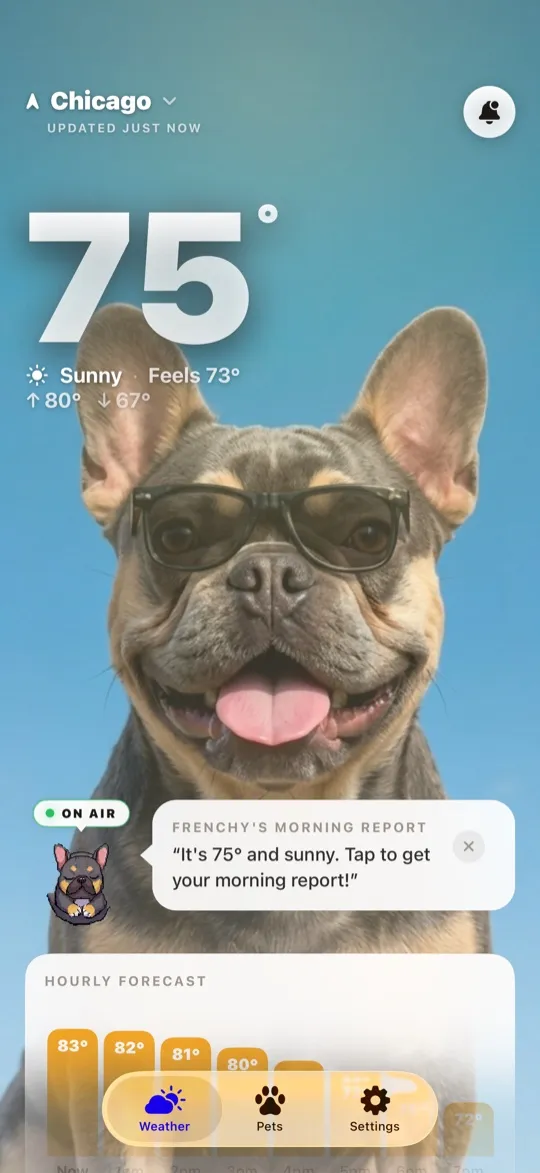
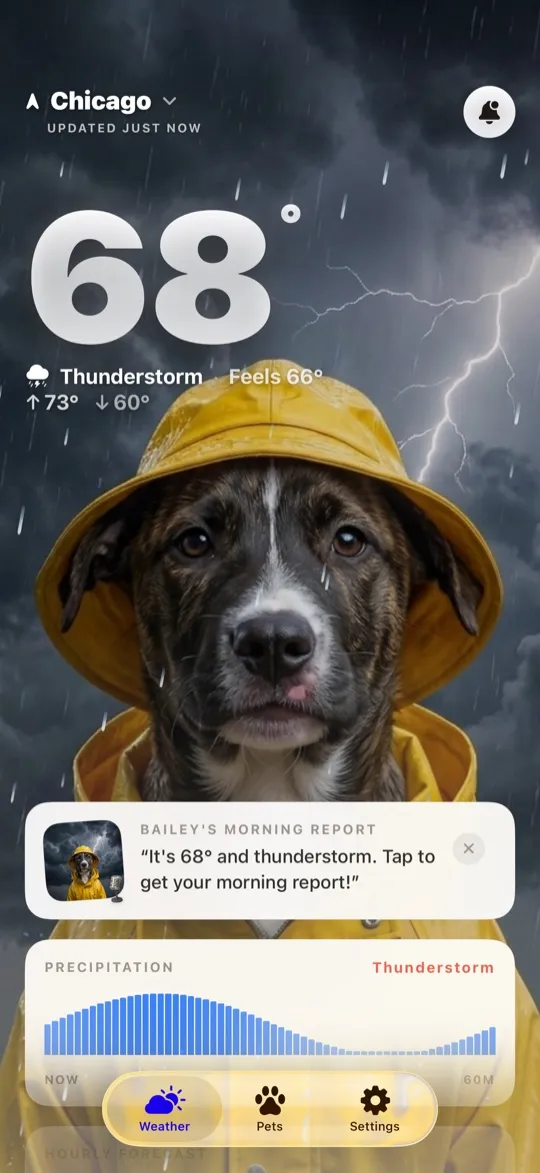
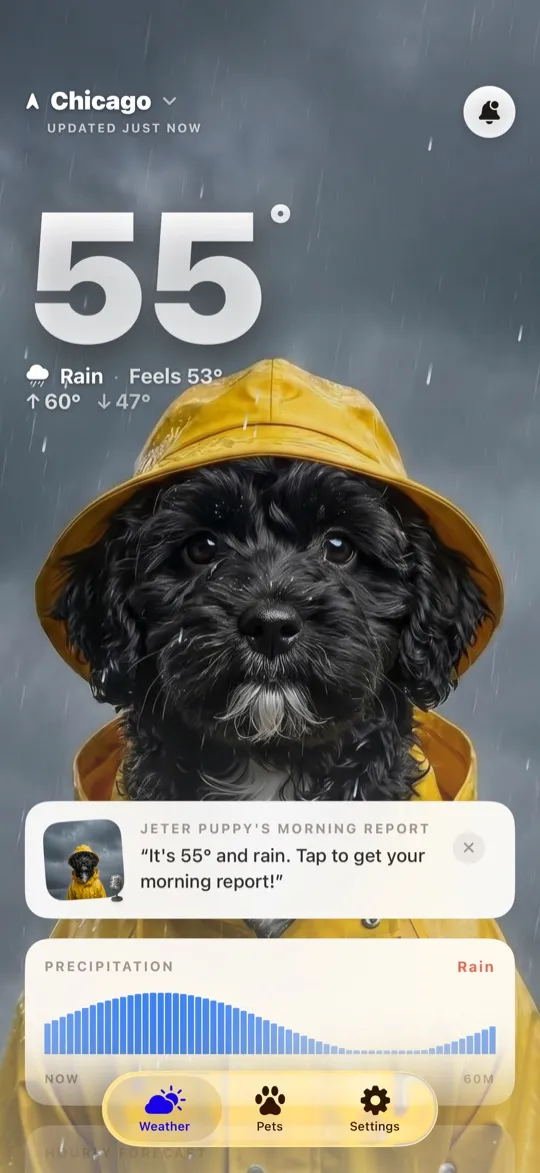
This is where keeping an eye on the forecast pays off. A weather app built for dog owners turns "I should check before we go out" into a habit you actually keep. With WeatherPets, your own dog delivers the day's high and a Live Activity that tracks conditions in real time, so planning a safe walk window becomes part of your morning instead of an afterthought.
Gear that helps: on hot days, a pressure-activated cooling mat gives an overheating dog a cool place to settle. For more options, see our roundup of the best cooling mats for dogs.
WeatherPets is an Amazon Associate and may earn from qualifying purchases, at no extra cost to you.
Frequently asked questions
What are the first signs of heatstroke in a dog?
The early signs are heavy, frantic panting that does not slow when your dog rests, excessive drooling that is thicker and stickier than normal, bright red gums and tongue, slowing down or refusing to move, and a dazed or anxious look with urgent shade or water seeking. Catch heatstroke at this stage and you can usually turn things around quickly.
At what body temperature does a dog get heatstroke?
A dog crosses into heatstroke once its core temperature passes about 104F, and above 106F the risk of organ damage and death rises sharply. For context, a healthy dog runs roughly 101 to 102.5F, and heat exhaustion begins in the 103 to 104 range.
Should I put ice on a dog with heatstroke?
No. Ice and ice water can constrict blood vessels and actually slow cooling. Instead, move your dog into shade or air conditioning, wet the body with cool water (focus on the belly, armpits, and paws), aim a fan at the wet fur, offer small amounts of cool water to drink, and call your vet right away even if your dog seems to recover.
Which dogs are most at risk of heatstroke?
Flat-faced (brachycephalic) breeds such as French bulldogs, Pugs, and Bulldogs are the most vulnerable because they cannot pant efficiently. Puppies, senior dogs, overweight dogs, thick-coated northern breeds, and dogs with heart or airway conditions also sit high on the risk list, and a parked car is the single most dangerous spot for any dog.
Your daily forecast, delivered by your own pet.