The Science of Why Dogs Go Wild in the Snow
You open the door after the first big snowfall, and your normally dignified dog turns into a bouncing, face-plowing, tail-spinning maniac. There is real science behind that joy, and it is just as charming as it looks.
Snow zoomies are one of the great spectacles of winter dog ownership. One minute your dog is calm, the next they are porpoising through a drift like it owes them money. So what flips the switch? It turns out a few things are happening at once.
1. Snow turns the whole world into a new toy
Dogs are deeply curious, sensory animals. Fresh snow changes the texture underfoot, muffles familiar sounds, and rewrites every scent map they have memorized. A backyard your dog has sniffed a thousand times is suddenly brand new. That novelty is genuinely exciting, and exploration is one of a dog's most rewarding activities, as the American Kennel Club notes when explaining the bursts of energy known as the zoomies.
2. The cold is a natural energizer
Heat slows dogs down, but cold air does the opposite. A crisp, chilly morning is comfortable for most dogs and tends to make them friskier, especially compared to the sluggish heat of summer. For a dog that has been cooped up indoors during a storm, that first cold blast outside is pure release.
3. Some breeds were literally built for it
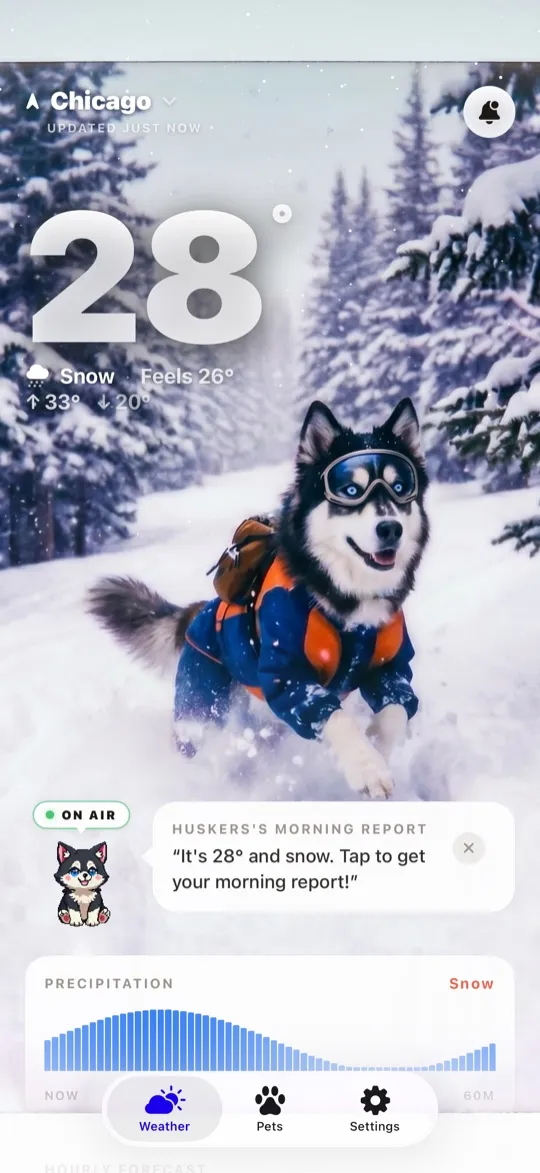
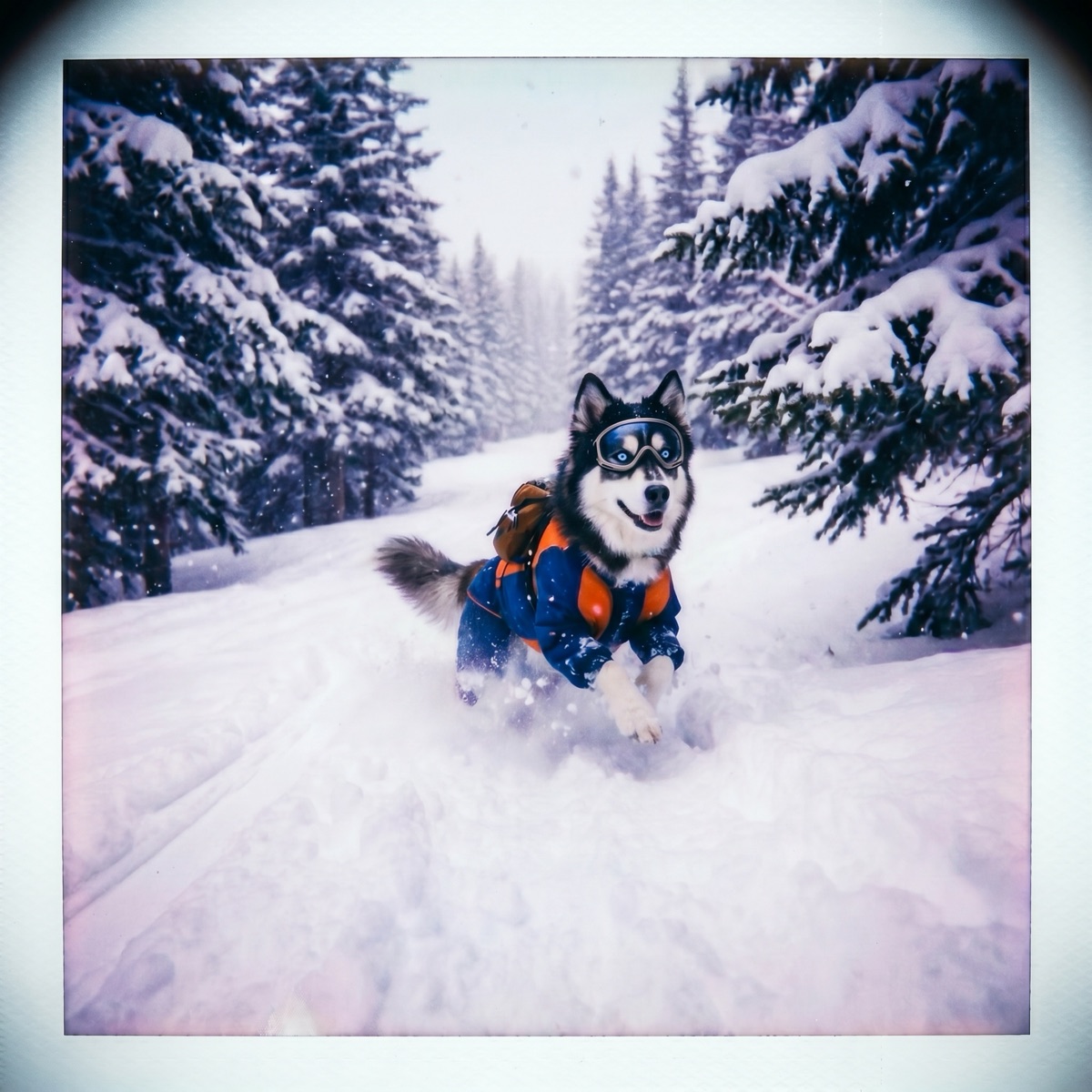
If your dog is a Siberian husky, Malamute, Samoyed, or Bernese mountain dog, snow is basically their native habitat. These northern breeds carry thick double coats that trap warm air against the skin, plus a heritage of working and running in frozen conditions. No wonder they treat a blizzard like a personal invitation. Many of these cold-weather breeds, profiled in detail by the American Kennel Club breed library, are happiest when the temperature drops.
4. Zoomies are a feeling, and snow makes it bigger
Those frantic loops have a name: Frenetic Random Activity Periods, or FRAPs. They are a normal way for dogs to burn off a sudden surge of excitement or pent-up energy. Add the novelty of snow and a comfortably cold body, and you get the perfect storm of canine glee.
Keeping snow play safe
Snow is a blast, but a few simple habits keep it that way:
- Watch the time. Even cold-loving dogs can get too cold. Small, short-haired, young, and senior dogs need shorter sessions and may want a coat.
- Mind the paws. Ice balls form between toes, and road salt irritates pads. Rinse and dry paws afterward.
- Skip the deep, hidden hazards. Fresh snow can hide ice, holes, and frozen water. Stick to areas you know.
- Hydrate. Dogs still need water in winter, and eating snow is not a substitute.
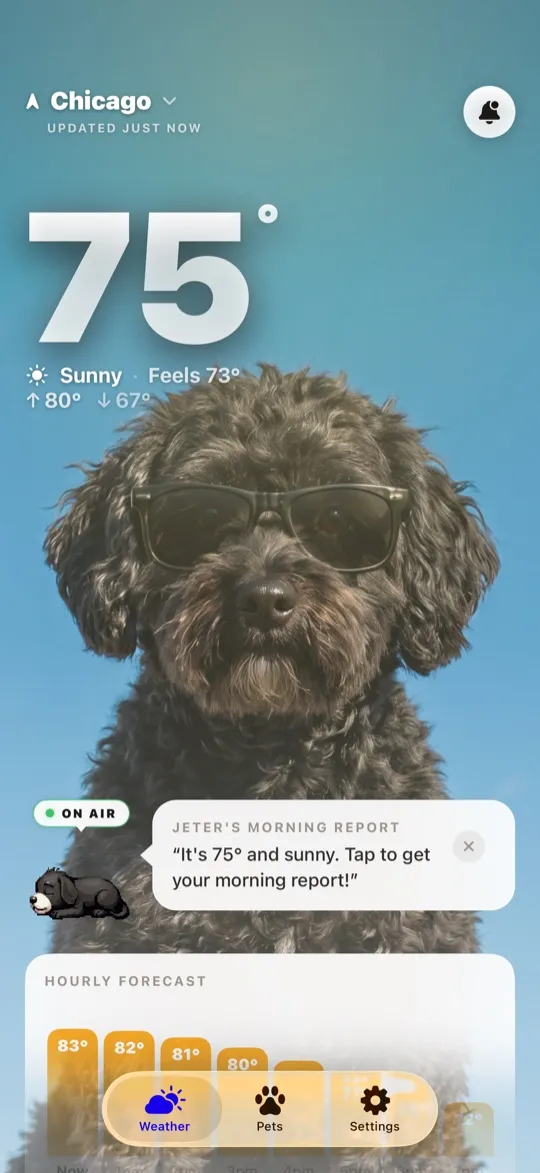
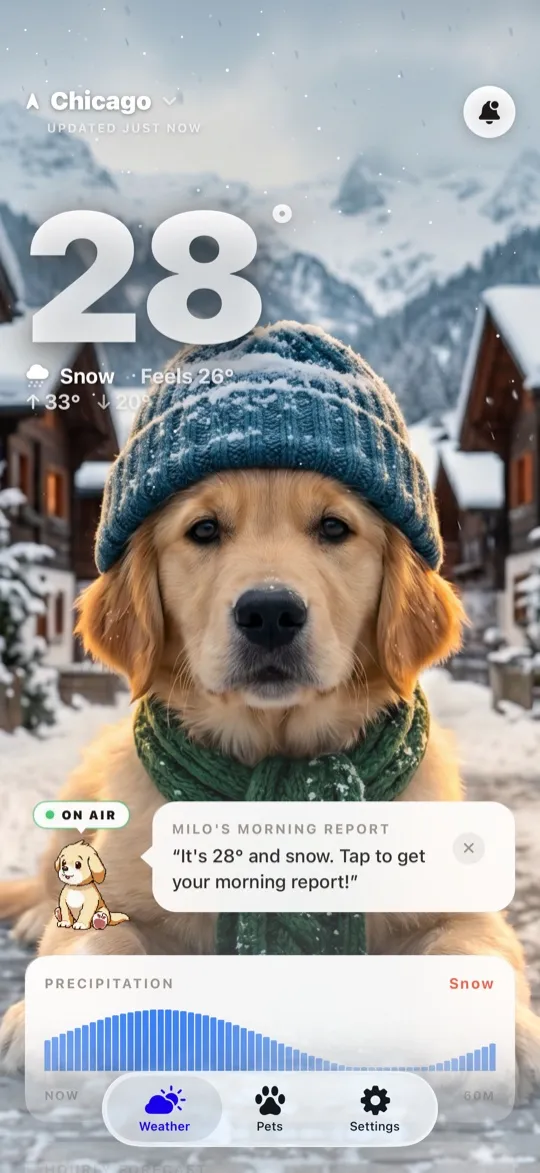
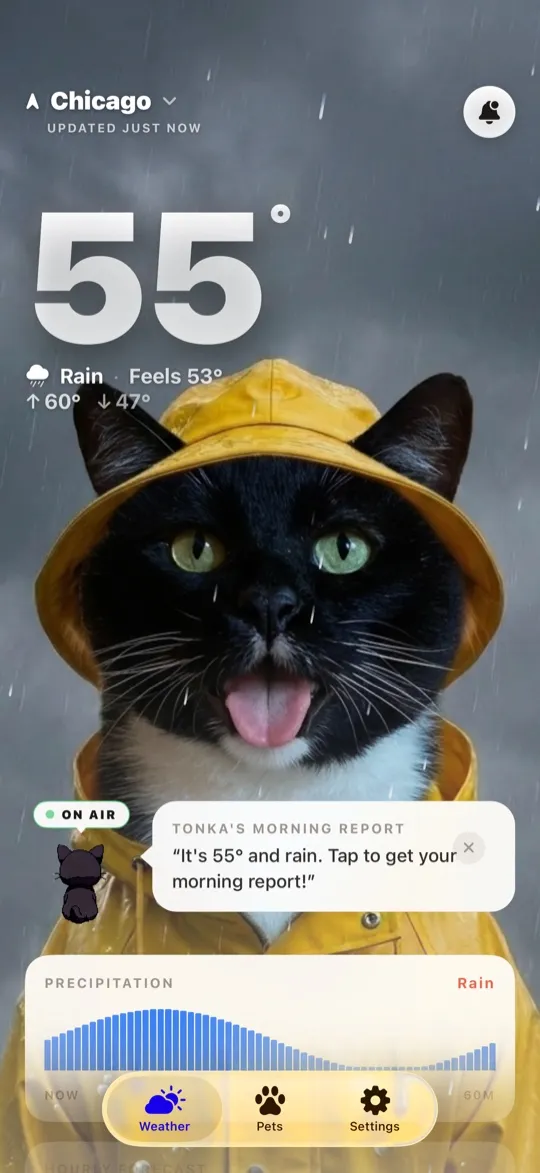
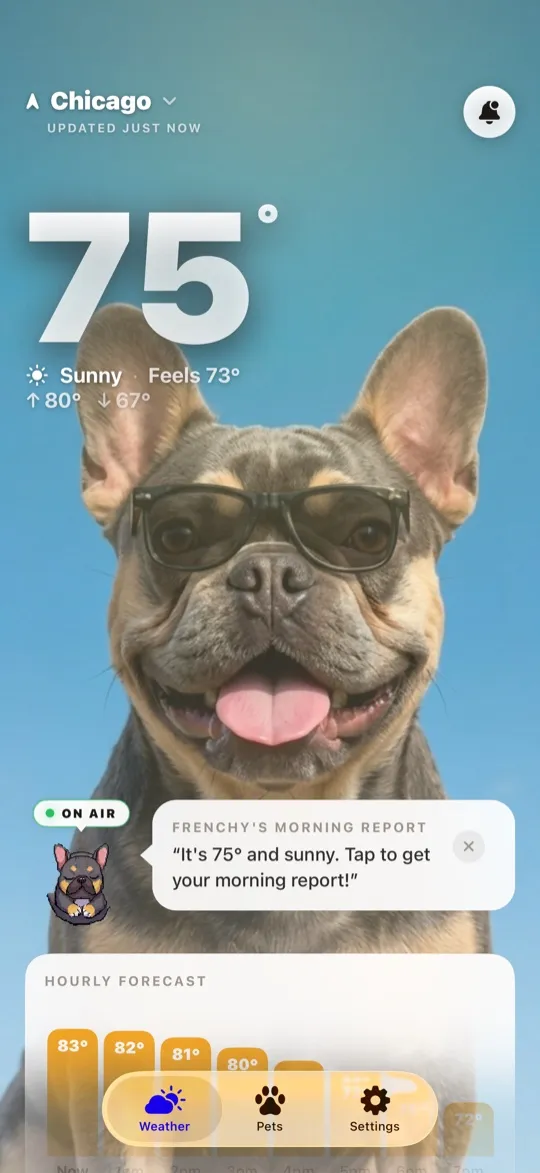
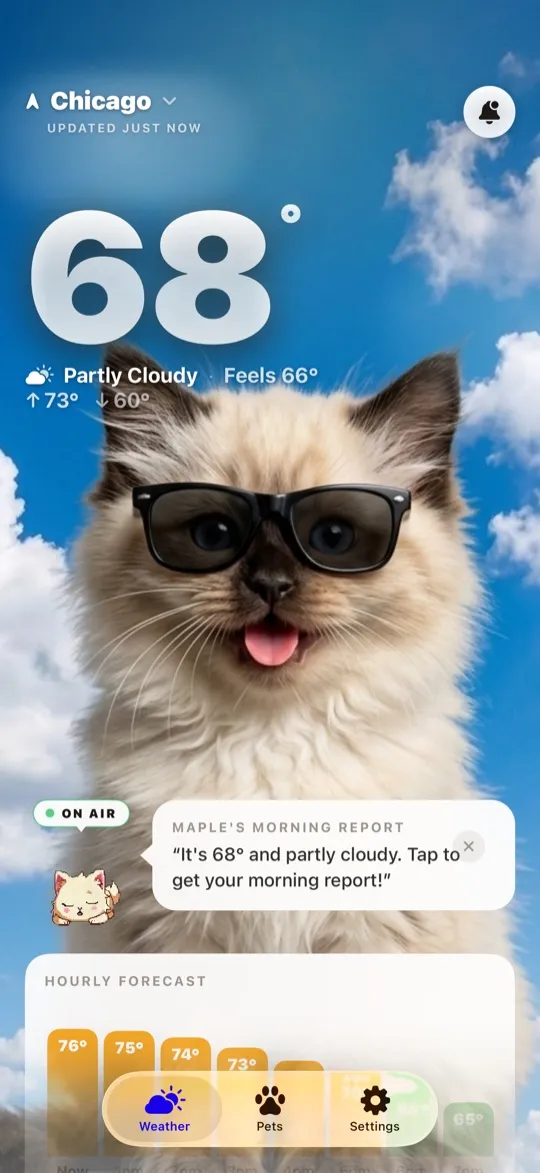
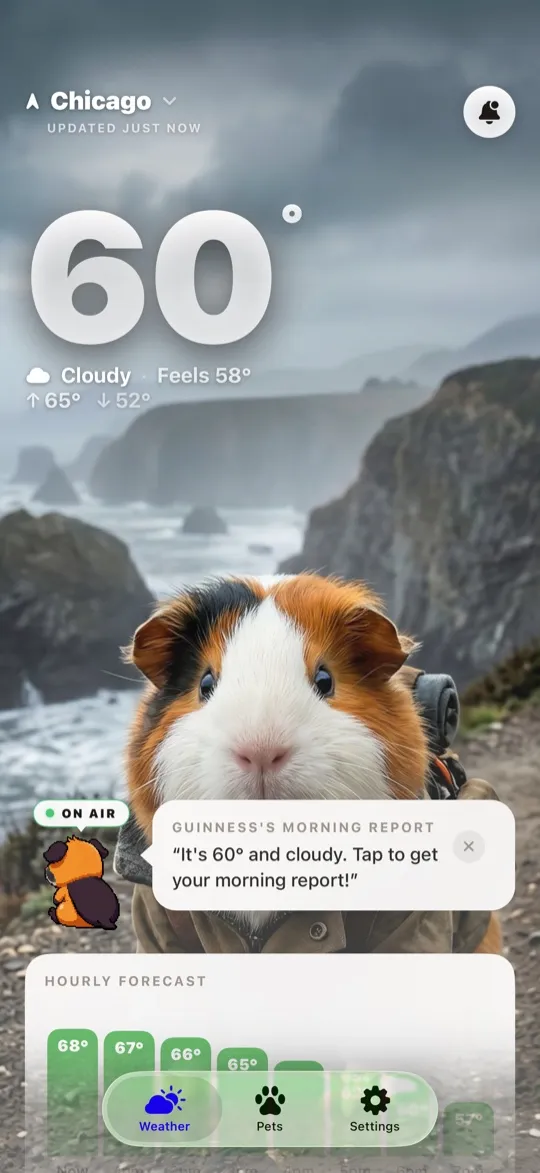
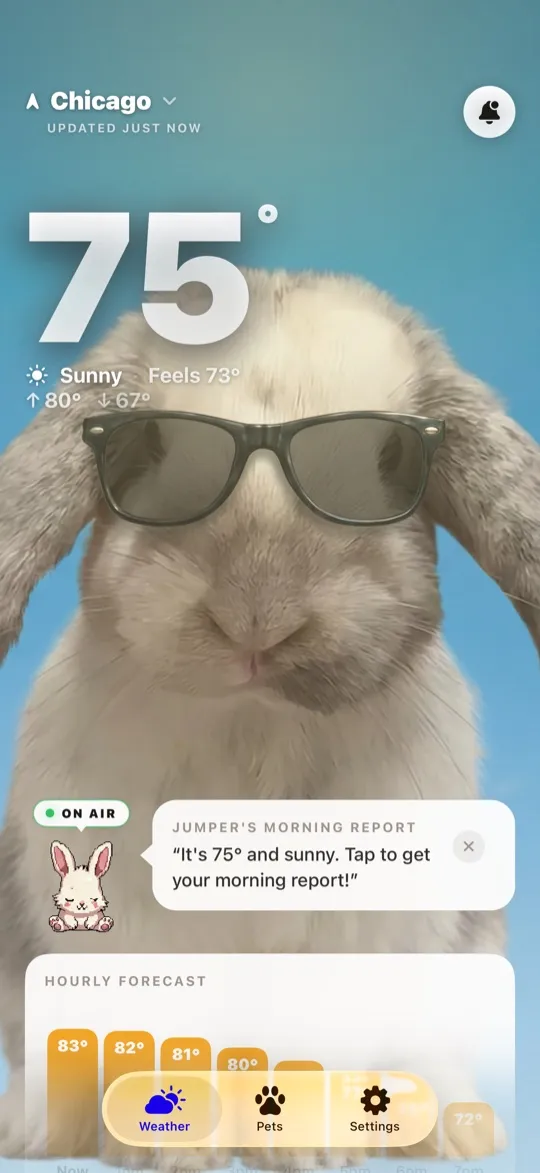
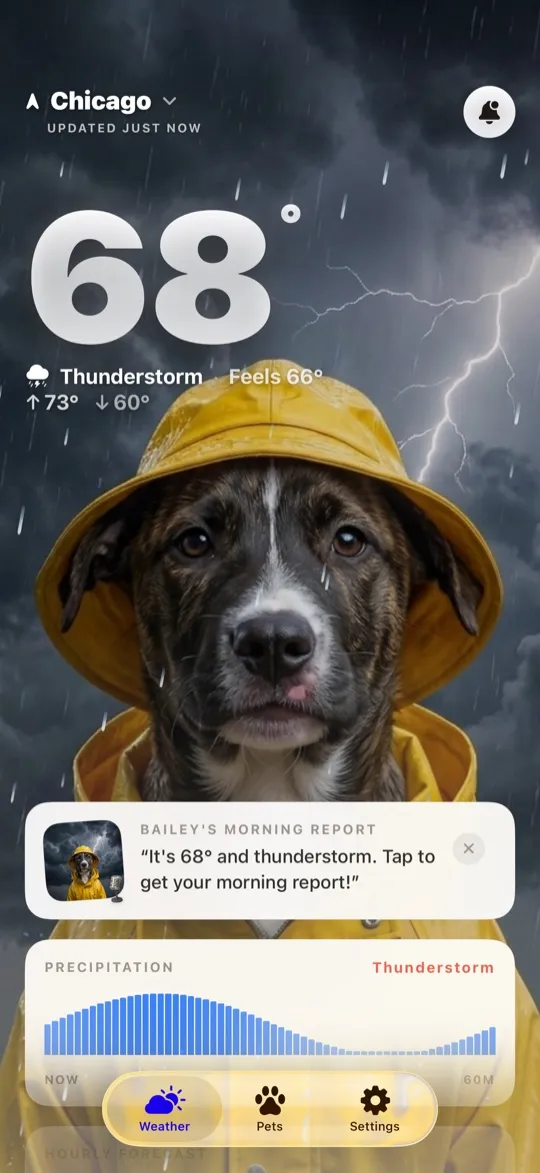
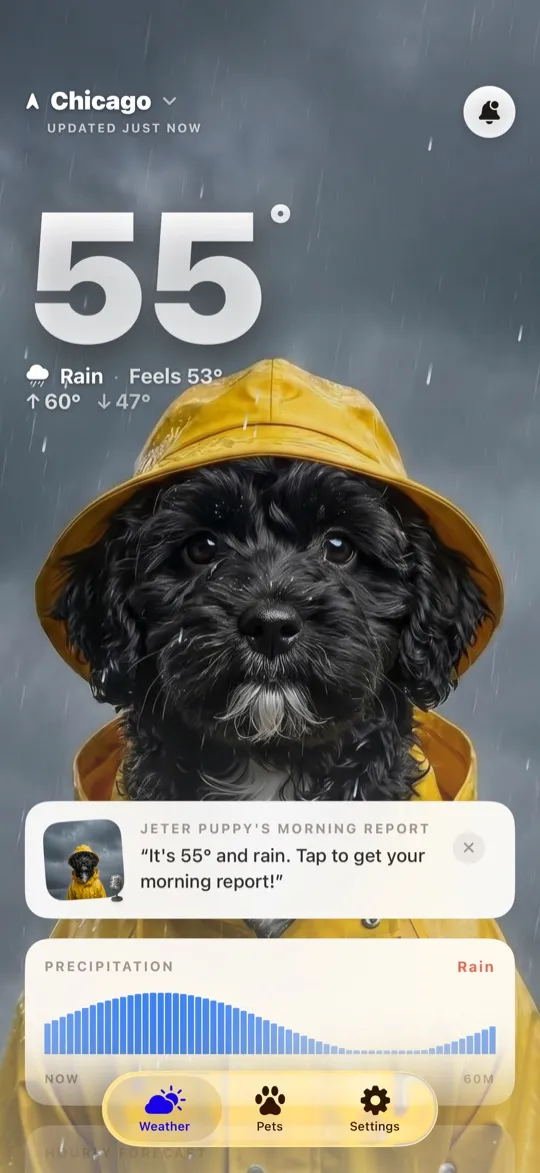
Half the fun of a snow day is seeing it coming. When your own dog delivers the forecast, that first snowfall feels like an event you planned for rather than a surprise. WeatherPets restyles your pet for every condition, so a snowy morning greets you with your dog already dressed for the occasion, a tiny daily moment of joy before you both head out to play.
And when summer rolls back around, the same forecast habit keeps your dog safe in the other direction. If you have not read it yet, our guide to spotting the warning signs of heatstroke is the warm-weather companion to this one.
Gear that helps: a set of dog booties keeps painful ice balls and de-icing salt off paws during snow play. See our roundup of the best dog booties for snow, ice, and salt.
WeatherPets is an Amazon Associate and may earn from qualifying purchases, at no extra cost to you.
Your daily forecast, delivered by your own pet.