The Weather-Zoomies Connection Every Owner Knows
You know the moment. The first crisp morning of fall, or right after a storm clears, and your dog suddenly detonates into a full-speed lap around the yard, ears pinned, butt tucked, eyes wild. The zoomies. Every owner has watched it and wondered: what is it about a change in the weather that flips this switch?
First, what the zoomies actually are
The official name is FRAPs, or Frenetic Random Activity Periods. They are those sudden, joyful bursts of energy where a dog tears around in circles or figure eights for thirty seconds of pure chaos and then flops down like nothing happened. Cornell's veterinary explainer on zoomies describes them as a normal, healthy release of pent-up energy, most common in puppies and young dogs but present in dogs of any age. They are not a problem. They are a dog being a dog.
Zoomies usually fire when a dog has built-up energy that needs somewhere to go: after a bath, after being cooped up, in the evening, or after a stretch of forced calm. Which is a big clue to the weather connection.
Why weather sets them off
The cold-and-crisp trigger. The single most reported zoomie weather is the first cold snap. There is a reason so many owners notice it. When the heat of summer lifts and the air turns cool and crisp, dogs feel more comfortable moving at full speed without overheating. A dog who spent August lounging to stay cool suddenly has a comfortable body temperature and a backlog of energy. The result is a burst of celebratory sprinting. The AKC notes that cold weather in particular tends to bring on the zoomies, and any owner of a northern breed will tell you the first snowfall is basically a starting gun.
The post-storm release. The other classic is right after rain clears. Many dogs get a little subdued or restless while a storm passes, whether from the noise, the pressure, or simply being stuck inside. When it lifts and they finally get back out into a fresh, rain-washed yard, all that contained energy comes out at once.
The cooped-up factor. This is the throughline. Bad weather keeps dogs indoors and under-exercised, so energy piles up. The moment conditions turn pleasant and they are released, the FRAPs erupt. It is less that the weather casts a spell and more that the weather controls how much energy a dog has been forced to store. Veterinary behavior resources like PetMD's overview of the zoomies echo that pent-up energy and excitement are the main drivers.
Should you let the zoomies run?
Mostly, yes. Zoomies are healthy and harmless, and the best thing you can do is give them a safe place to happen: a fenced yard, an open room without sharp coffee-table corners, or a soft grassy patch. A few common-sense notes:
- Watch the footing. Slick floors and zoomies are a recipe for a pulled muscle. Steer the chaos toward carpet or grass.
- Do not chase. Chasing usually ramps a dog up further. If you need to end it, run the other way and they will often follow you out of it.
- Mind the heat. Full-speed laps on a hot, humid day are a fast track to overheating. Save the big bursts for the cool parts of the day.
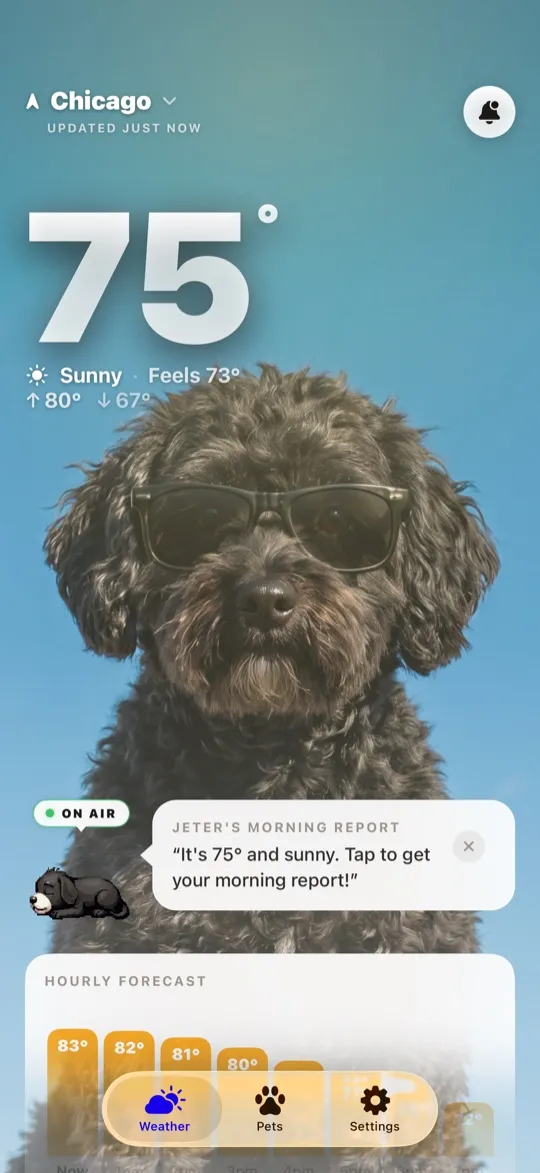
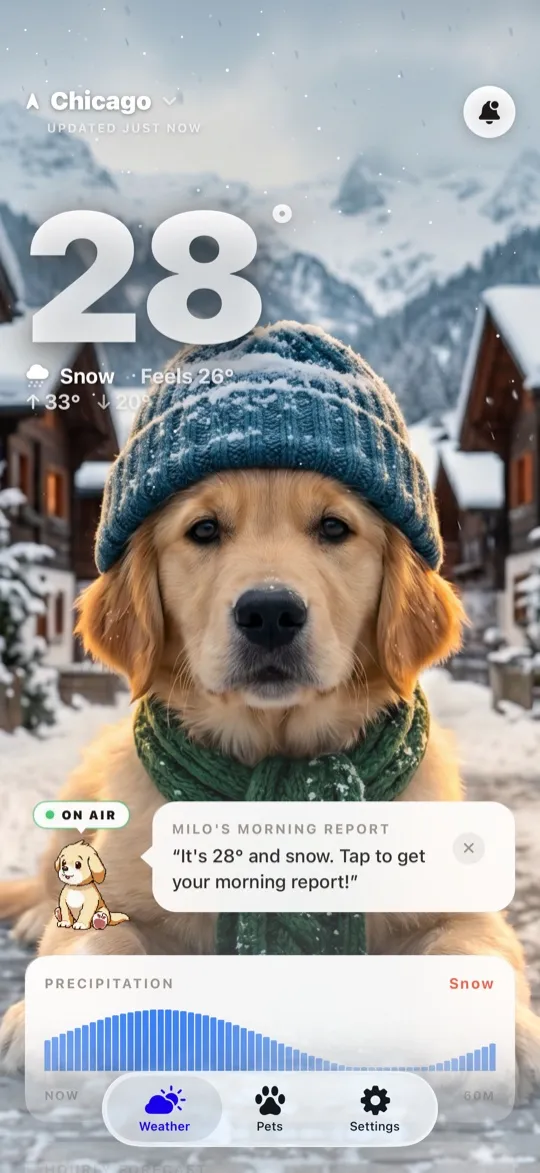
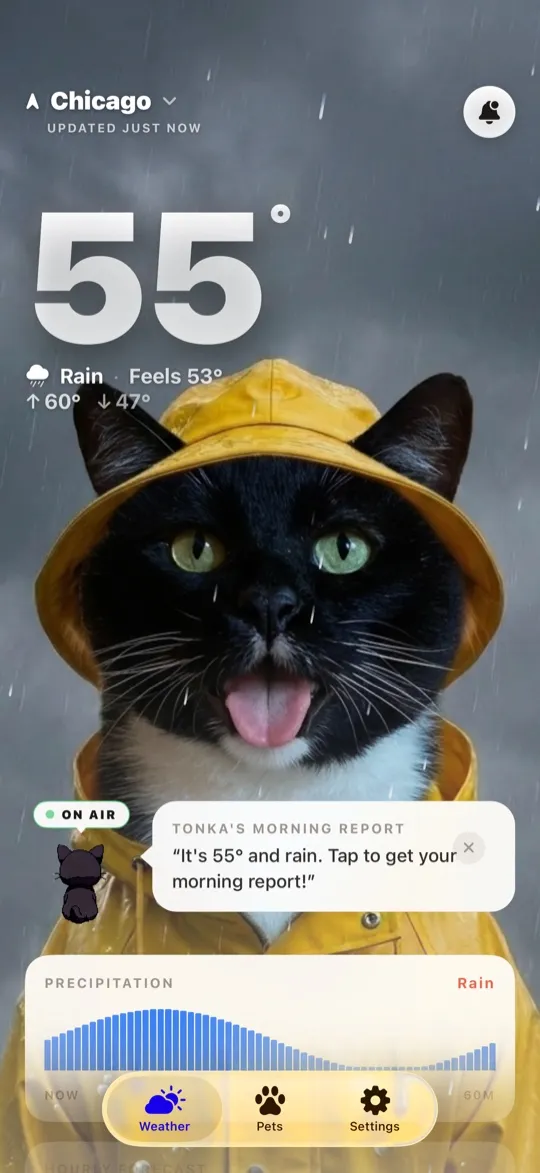
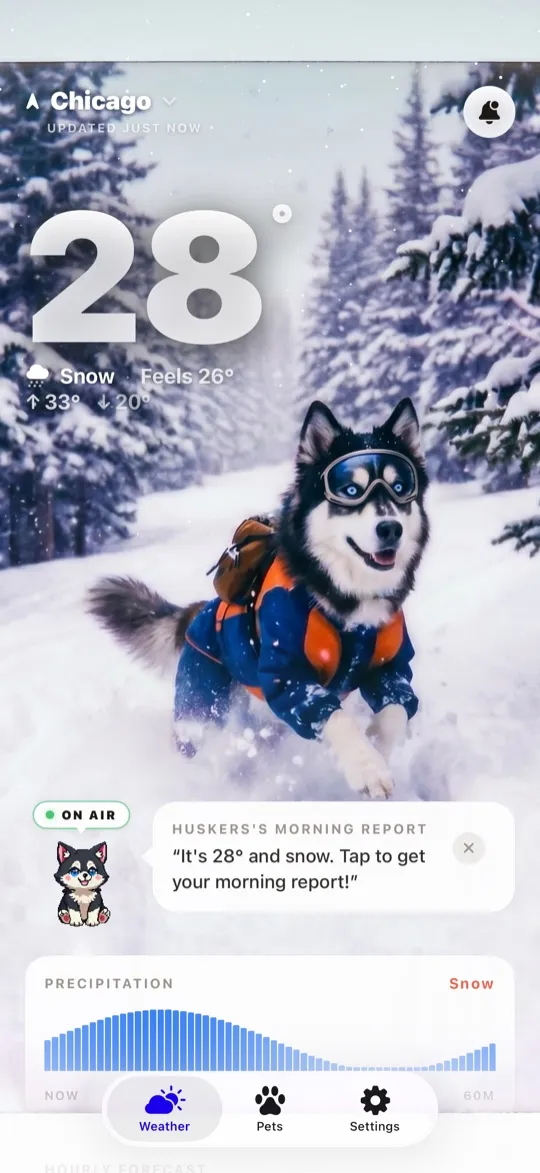
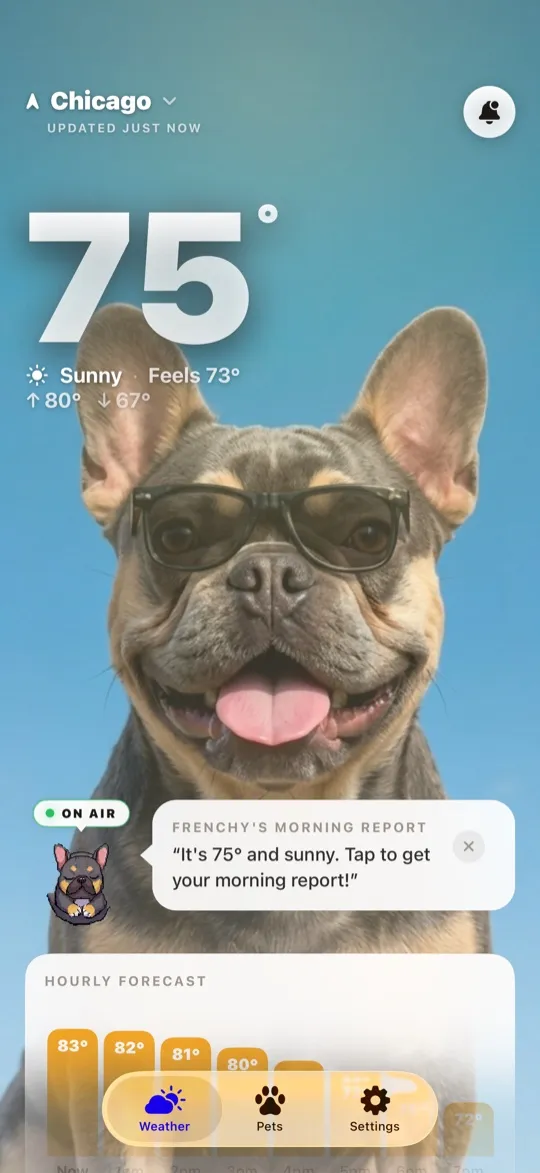
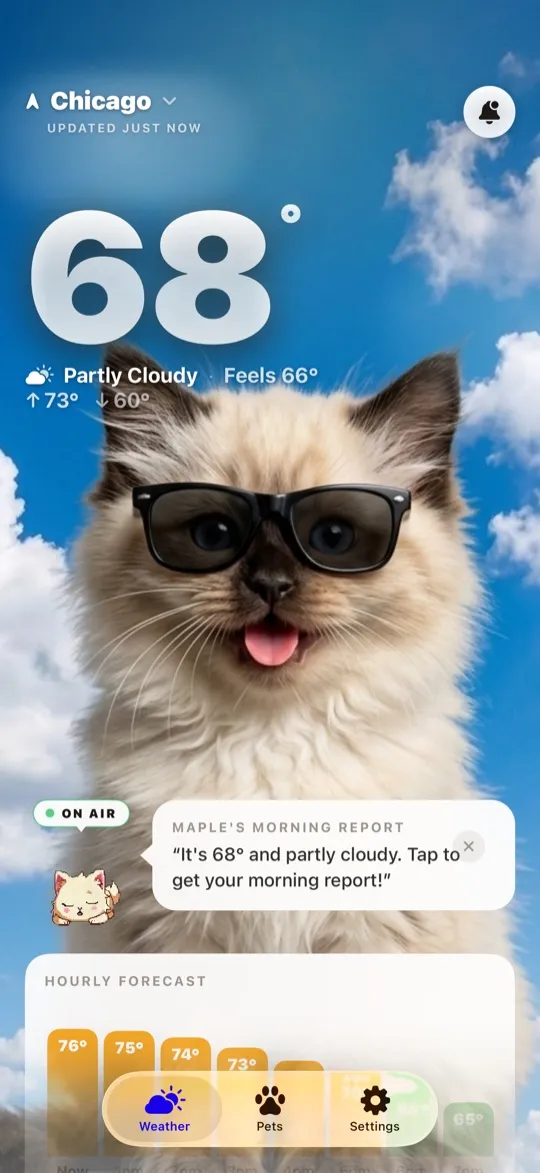
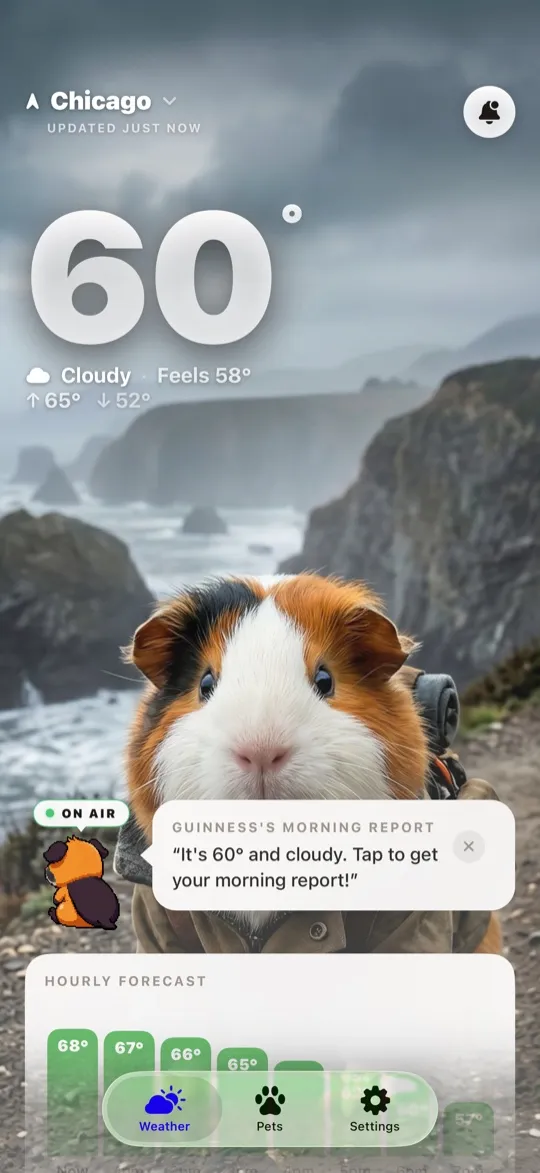
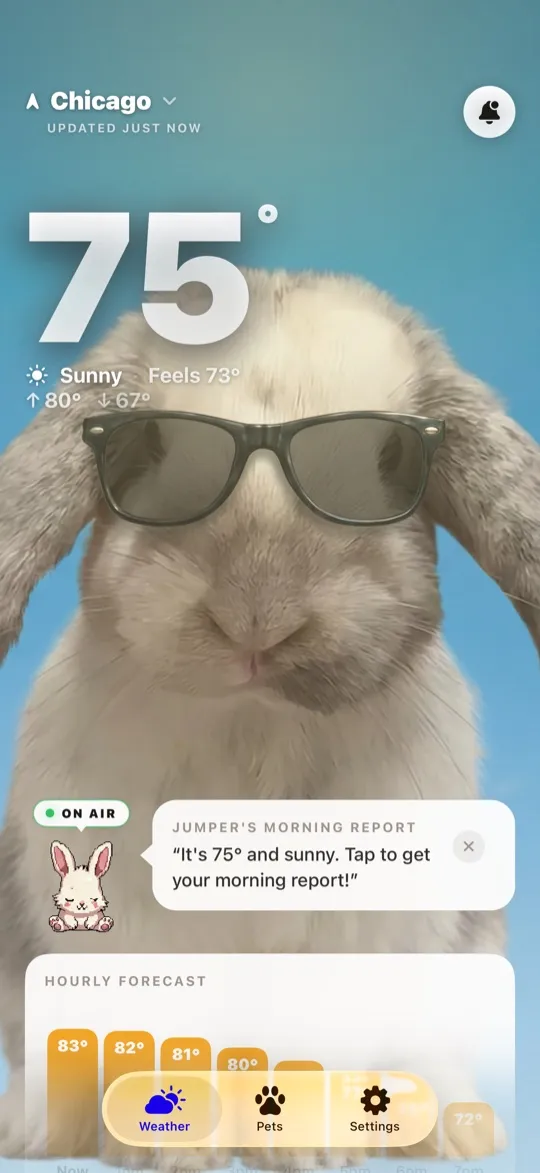
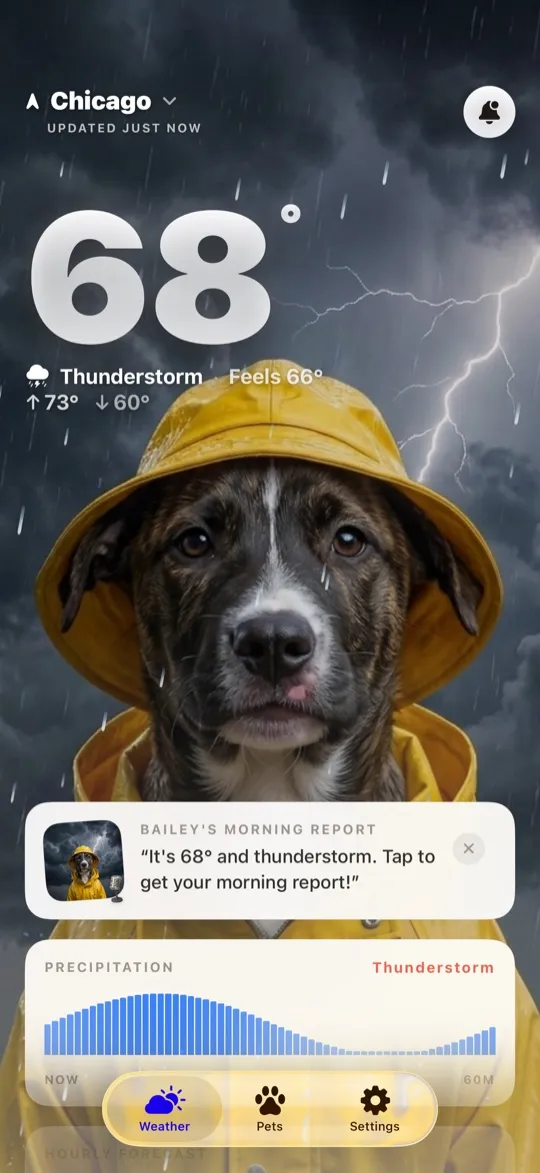
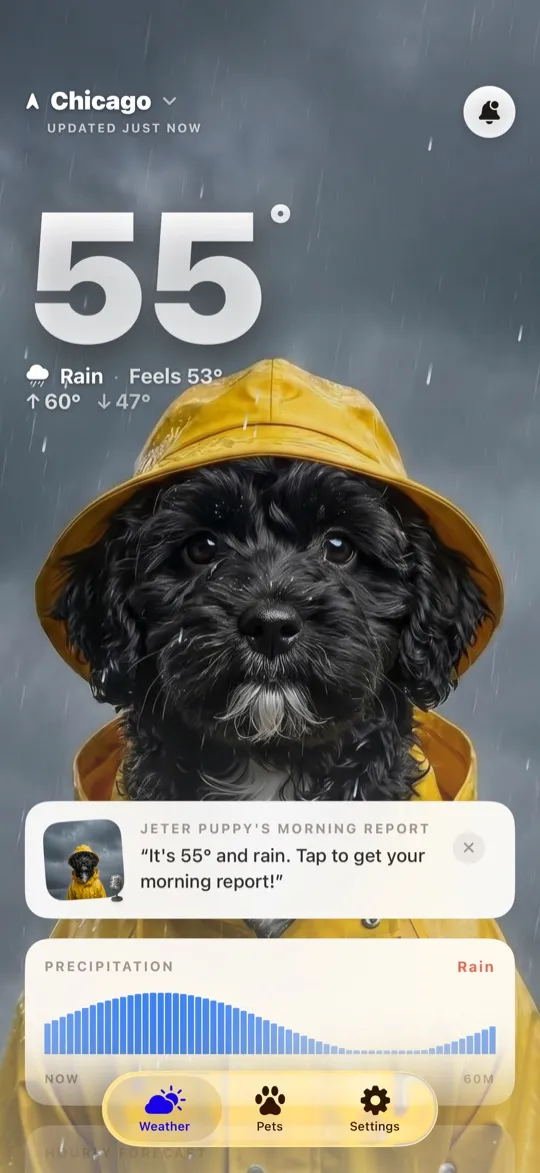
If anything, the zoomies are a reminder that your dog's energy rises and falls with the weather, which is the whole reason it helps to know what kind of day is coming. With WeatherPets, your own dog delivers the day's forecast in character, a fun little daily check that doubles as a heads-up: a cool, crisp morning probably means a zoomie is loading, and a hot one means it is a good day to keep things mellow. Either way, you will know to clear the coffee table.
Your daily forecast, delivered by your own pet.