Spring Allergies in Dogs: Pollen, Paws, and Relief
When spring rolls in, you might expect an allergic dog to sneeze like we do. Most don't. In dogs, seasonal allergies usually show up in the skin and ears, and the signs are easy to miss until your pup is scratching all night. Here is what to watch for and how to bring some relief.
How spring allergies actually look in dogs
People with hay fever tend to get watery eyes and a runny nose. Dogs are different. When a dog is allergic to something in the environment, the reaction usually lands on the skin instead of the sinuses. Vets call this atopic dermatitis, or atopy, and it is one of the most common skin conditions they treat.
The classic clues are itch driven. Watch for:
- Scratching and itchy skin, especially around the belly, armpits, groin, and face.
- Paw licking and chewing. Constant licking can stain the fur a rusty color and set the stage for sore, infected paws.
- Recurrent ear infections or head shaking. Allergic dogs often get red, smelly, itchy ears again and again.
- Rubbing the face on carpet or furniture, plus some watery eyes.
- Hot spots or thinning hair where your dog has been working at the same patch.
According to the American Kennel Club's guide to dog allergies, the paws and ears are among the most commonly affected areas, which is why so many allergic dogs become dedicated paw lickers. The itch is real, and a dog who cannot stop licking is usually telling you something.
Common spring triggers
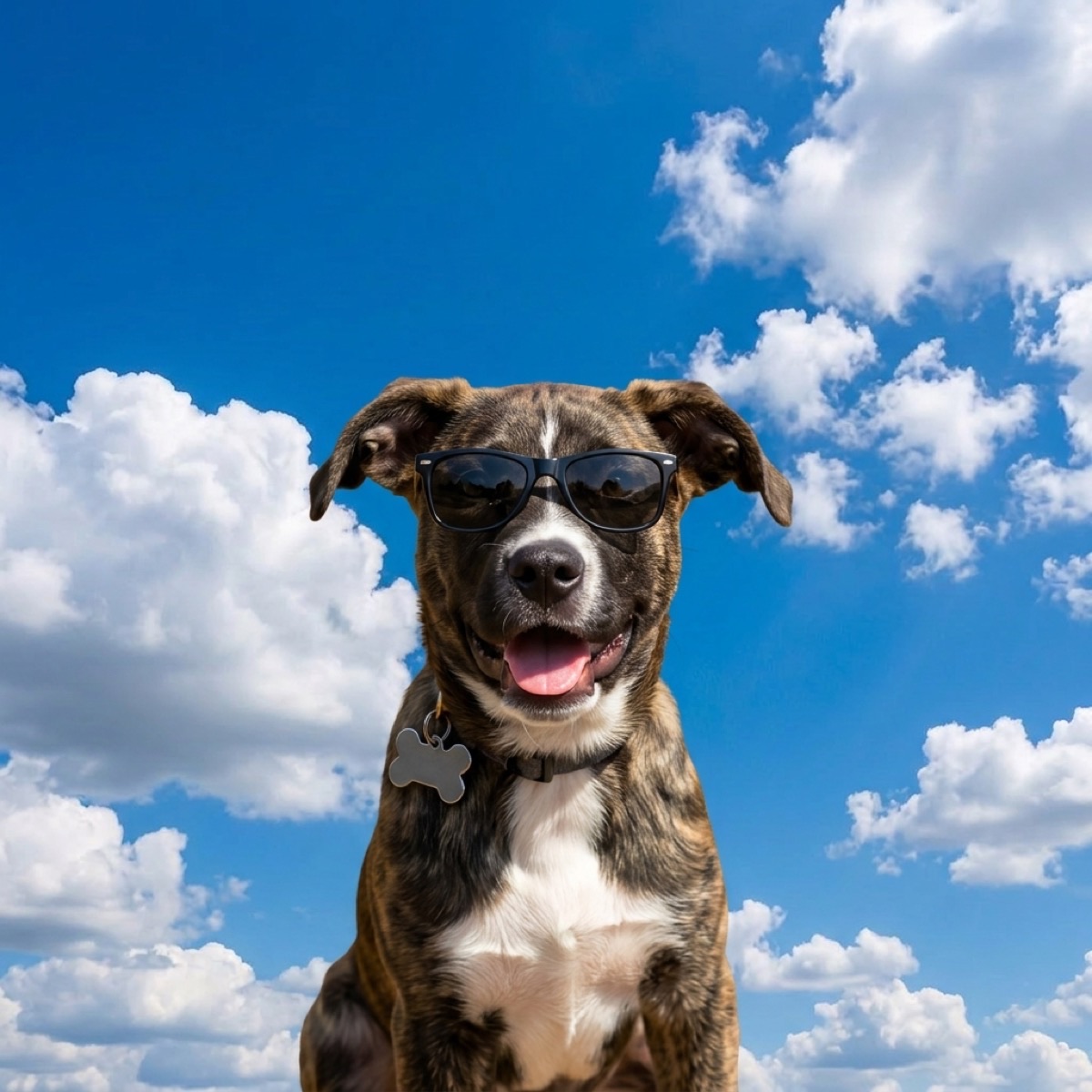
Spring is prime time for the allergens that bother dogs most. The VCA Animal Hospitals overview of inhalant allergies in dogs notes that dogs are often allergic to the very same things people react to: tree pollen, grass pollen, weeds, and mold. As trees leaf out and grass starts growing, pollen drifts everywhere, settles on your dog's coat and paws, and works its way into itchy skin.
The usual spring culprits include:
- Tree pollen from cedar, oak, ash, and other early bloomers.
- Grass pollen as lawns wake up and get their first mows.
- Mold spores from damp leaves, mulch, and soggy corners of the yard.
Here is the weather connection. Pollen tends to spike on warm, dry, breezy days, exactly the kind of afternoon that feels perfect for a long walk. A cool, rainy day usually knocks pollen down and out of the air. So the conditions that pull you and your dog outside can also be the ones that leave your pup itchy by bedtime.
Simple relief you can offer at home
You cannot pollen-proof the outdoors, but you can cut down how much sticks to your dog. A few easy habits go a long way:
- Wipe down after walks. A quick pass with a damp cloth or pet wipe over the coat, belly, and especially the paws removes pollen before your dog licks it off or carries it to the couch.
- Bathe regularly. Gentle, vet-recommended baths rinse allergens off the skin and can soothe the itch. Ask your vet how often, since over-bathing can dry the skin.
- Keep bedding clean. Wash your dog's bed and blankets often so pollen and dust do not build up where they sleep.
- Wipe and dry the paws and ears. Clean, dry ears are less likely to flare into an infection.
- Time your walks. When pollen is high, a shorter outing or a walk after rain can ease the load.
Your vet may also recommend antihistamines, medicated shampoos, omega fatty acid supplements, or prescription treatments for tougher cases. Please do not reach for the human medicine cabinet on your own. Some products are not safe for dogs, and the right choice and amount depend on your dog. Always let your vet guide any medication.
When to call your vet
Mild seasonal itch that comes and goes is common. Some signs deserve a professional look sooner rather than later:
- Itching that keeps your dog (or you) up at night, or that does not let up.
- Raw skin, open sores, scabs, or a hot spot that is spreading.
- Repeat ear infections, a strong odor, or constant head shaking.
- Hair loss, or skin that looks thickened, dark, or greasy.
- Any sudden swelling of the face, hives, or trouble breathing, which needs urgent care.
Your vet can confirm whether allergies are the cause, rule out fleas or other skin issues, and build a plan that fits your dog. Caught early, most allergic dogs do really well.
Plan walks around the pollen
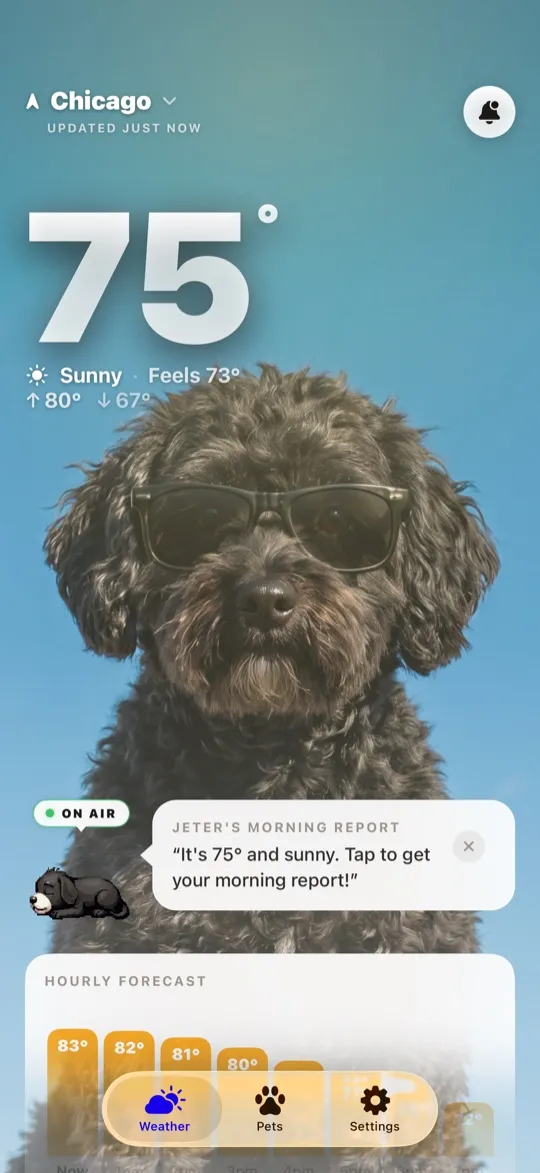
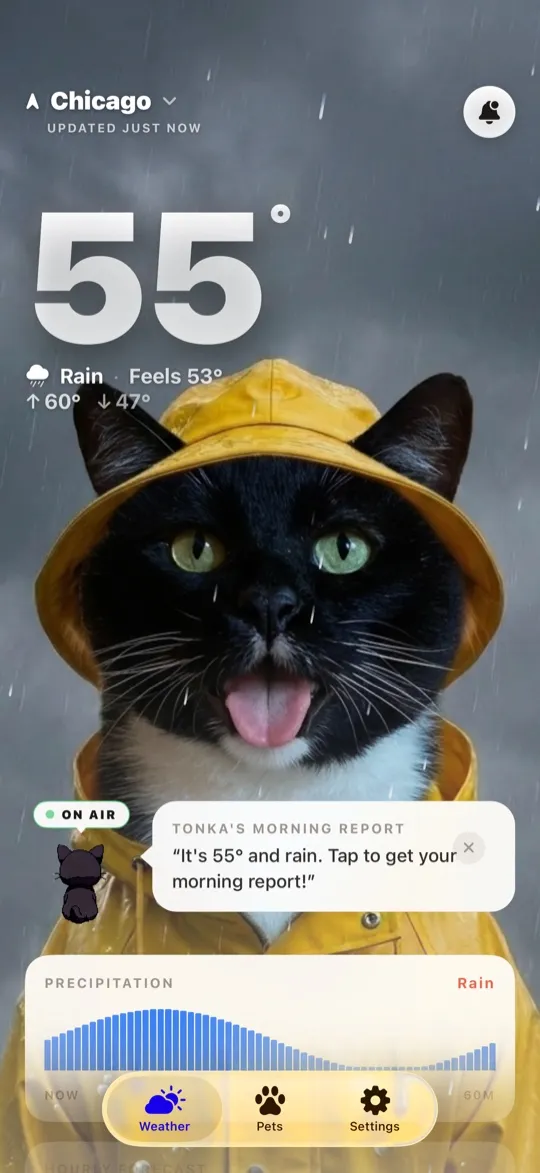
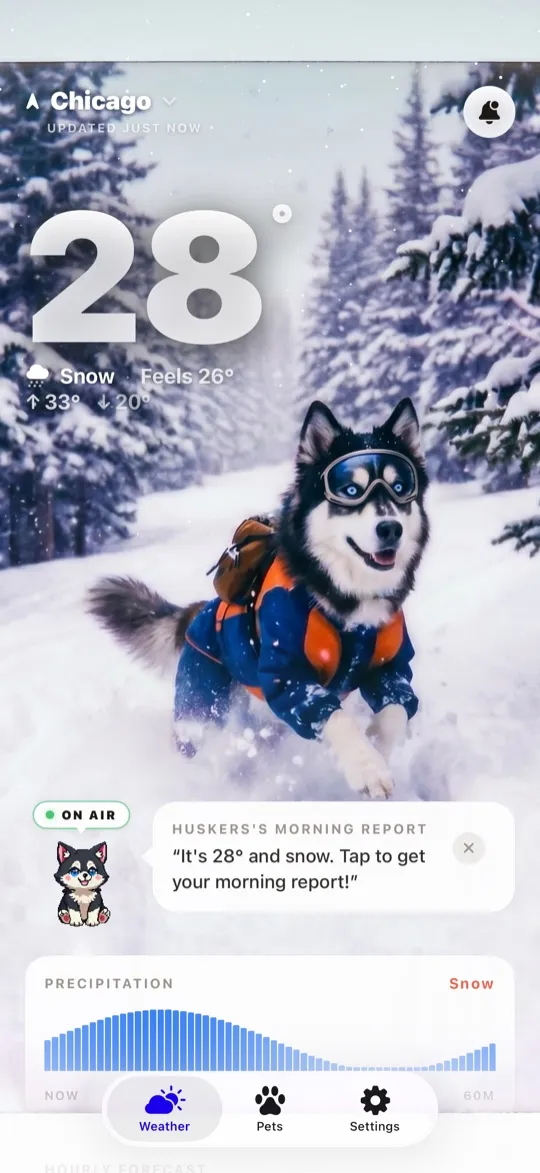
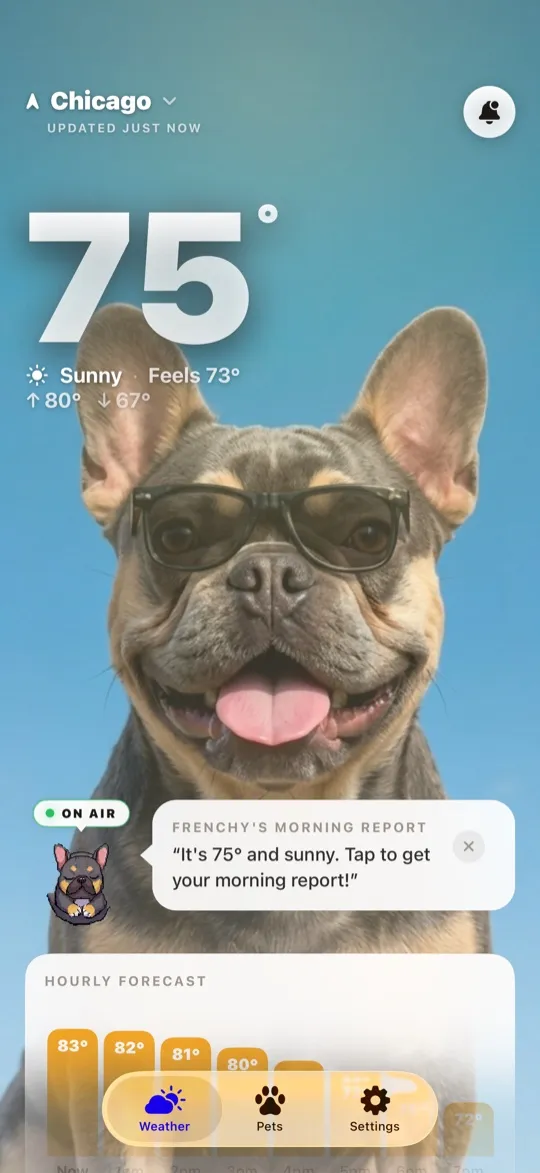
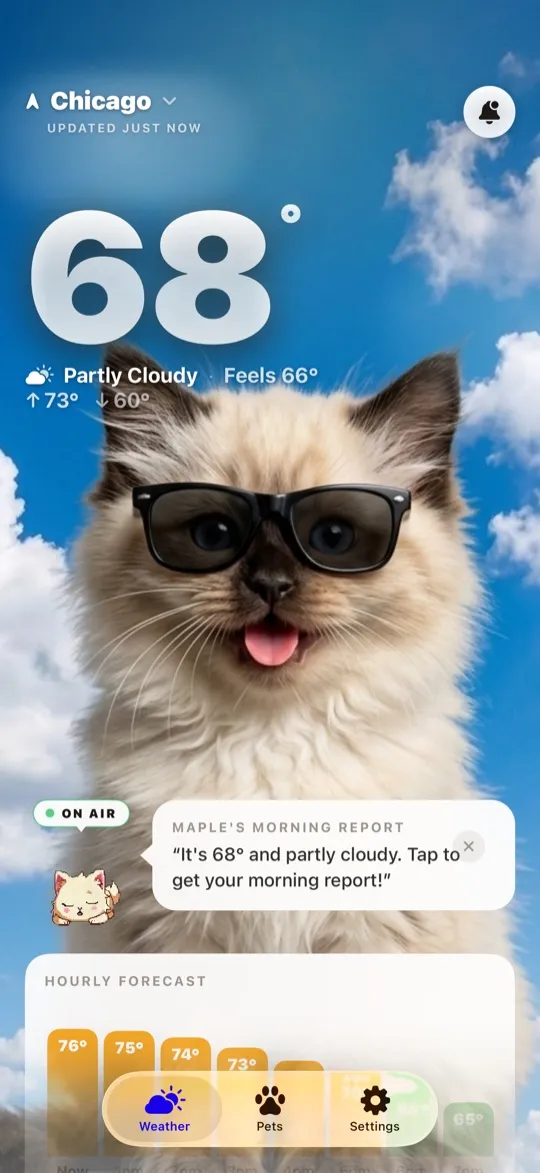
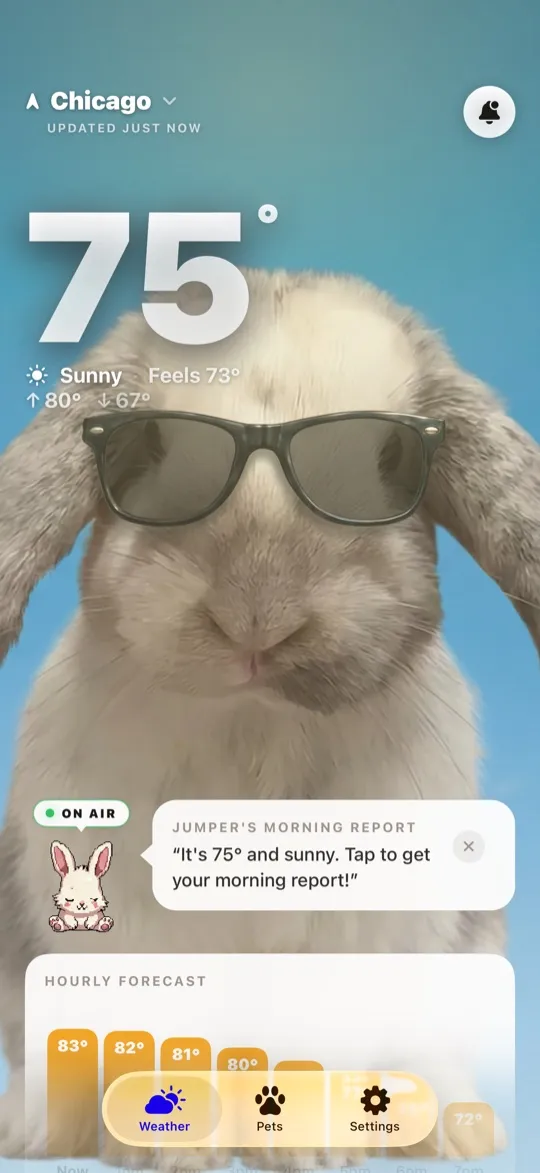
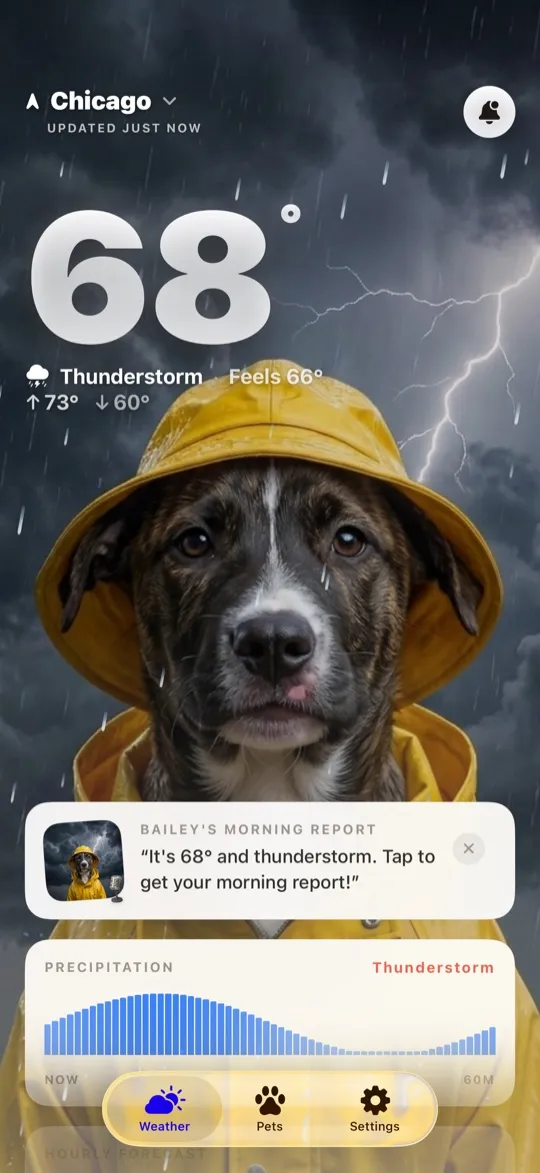
Since pollen rides along with warm, breezy spring weather, glancing at the day's conditions helps you pick smarter walk times. This is where WeatherPets sneaks in a little help. Your pet delivers the forecast in character each morning, so a quick look tells you whether today is a calm, lower-pollen kind of day or a warm and windy one worth a shorter loop. It will not diagnose anything, but it makes checking the weather something you will actually do, and that small habit is half the battle with seasonal allergies.
Spring is meant for muddy paws and happy walks, not all-night scratching. A little awareness, a few clean-up habits, and a good vet on speed dial keep the season fun for both of you.
Your daily forecast, delivered by your own pet.