Do Dogs Sweat? How Dogs Actually Cool Down
Yes, dogs sweat. Before you feel bad about every summer you assumed they didn't: they barely do, and never the way we do. A dog's entire sweating operation is limited to their paw pads and nose, which is a bit like cooling your whole house with one ice cube. The real cooling system is far weirder, and knowing how it works will change how you handle hot days.
The tiny truth about dog sweat
Dogs have two kinds of sweat glands, and only one of them has anything to do with temperature. Merocrine glands sit in the paw pads and work roughly like our sweat glands, activating when a dog is hot or stressed. That is why anxious dogs sometimes leave damp little paw prints on the vet's exam table, which might be the most endearing symptom in all of veterinary medicine. As the AKC's guide to dog sweat explains, the other type, apocrine glands, are spread across the body but release pheromones for dog-to-dog communication, not moisture for cooling.
Why so few sweat glands? Fur. Sweat only cools when it evaporates off skin, and evaporating into a dense coat does nothing. Evolution went a different route.
Panting: the real air conditioner
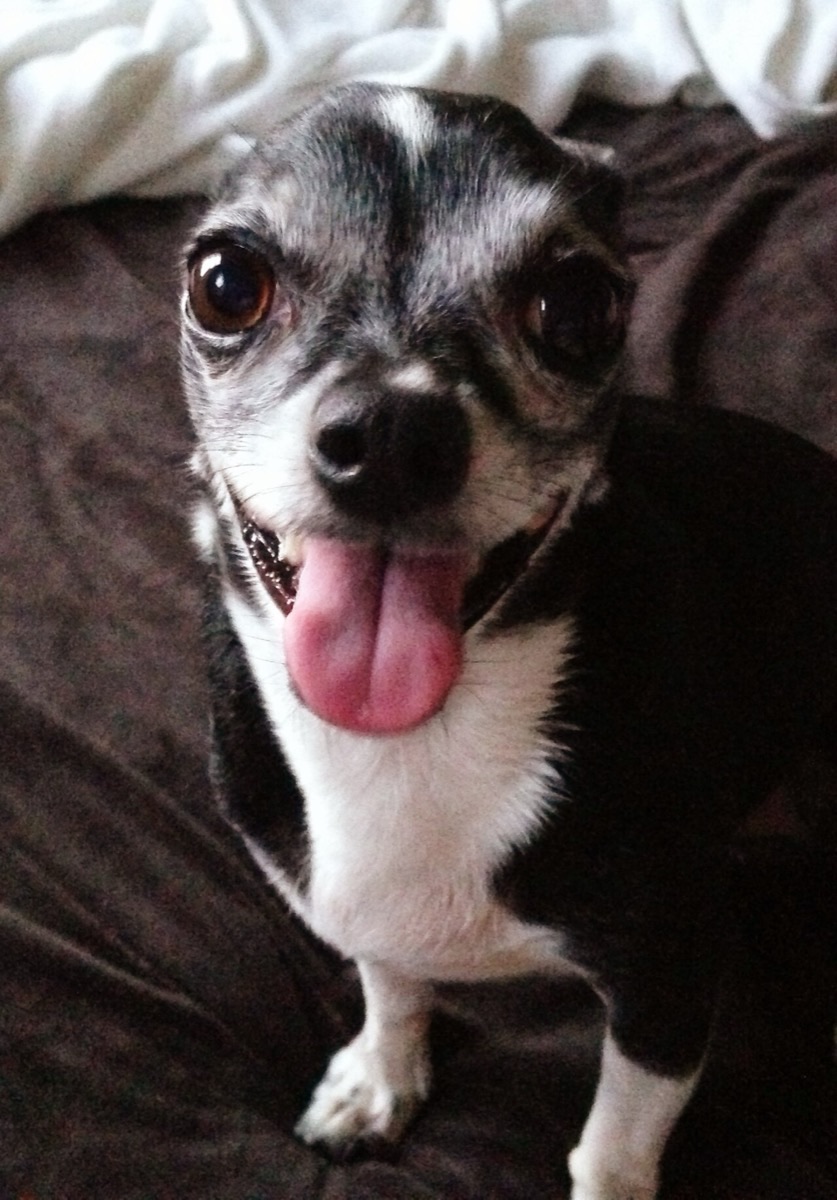
A panting dog is running an evaporative cooler. Fast, shallow breaths move air over the wet surfaces of the tongue, mouth, and upper airways, and evaporation carries heat out with every exhale. A hot dog can ramp from a resting rate of around 30 breaths per minute to several hundred, and that floppy, ridiculous, flapping tongue is deliberately maximizing its surface area. The wet nose contributes too: moisture evaporating off the nose leather pulls away a little extra heat.
Dogs also cool by vasodilation: blood vessels in the face and ears widen and route warm blood close to the skin's surface, where it dumps heat to the air. It is the same reason your cheeks flush when you overheat.
Why humidity breaks the whole system
Here is the catch that matters most in summer: evaporation needs dry air. When humidity climbs, the moisture on a dog's tongue and airways has nowhere to go, and panting turns into a lot of work for almost no cooling. That is why a muggy 85-degree day can be more dangerous than a dry 95-degree one, and why the AVMA's warm weather guidance warns that pets can overheat quickly even in conditions that feel manageable to us. We wrote a whole explainer on why humidity hits dogs so hard if you want the deeper dive.
The system has other weak points too. Flat-faced breeds pant inefficiently through compressed airways. Thick double coats slow heat loss. Seniors and overweight dogs generate more heat and shed it slower. If your dog is in any of those groups, treat every hot-day rule as stricter.
How to actually help a hot dog
Since your dog cannot sweat it out, your job is to make their systems work better:
- Shade and airflow first. Panting works best in moving, dry, shaded air. A shaded spot with a breeze beats a stagnant garage by miles.
- Cold water inside and out. Drinking cools from within and keeps the evaporator wet. Wetting the belly, paws, and ears cools the spots where blood runs closest to the skin.
- Use the paw connection. Those paw sweat glands are one more reason hot pavement is a double insult: it burns the pads and blocks a cooling surface. Grass and shade for summer walks.
- Let them dig. That crater in your flower bed is a self-made cooling bed; exposed soil is cooler than anything above it. Maybe negotiate a designated digging zone.
- Never rely on a fan alone. Fans cool sweaty humans well and barely-sweating dogs much less.
The takeaway (and a shortcut)
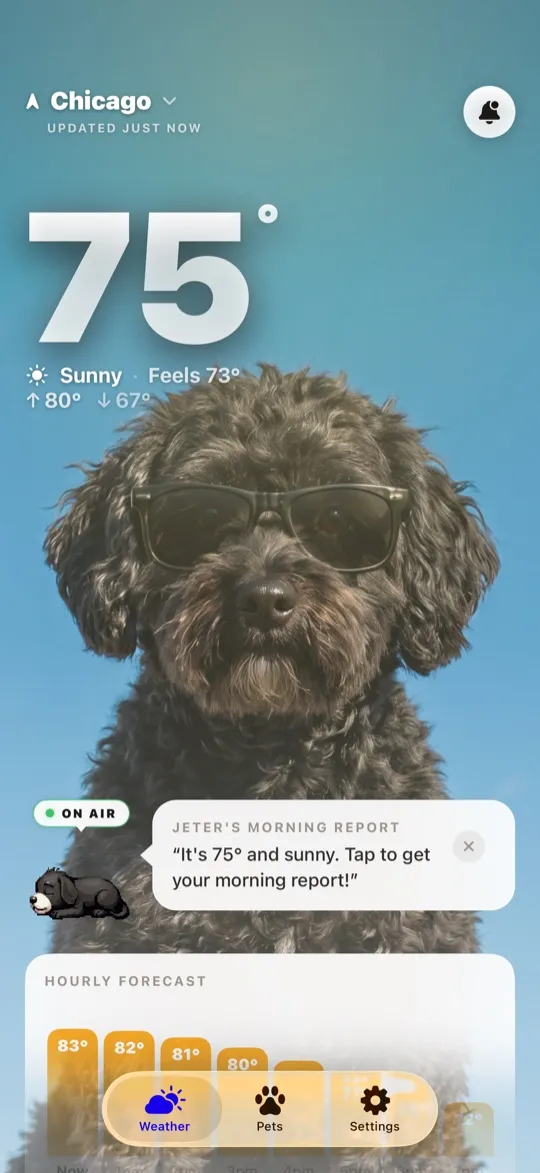
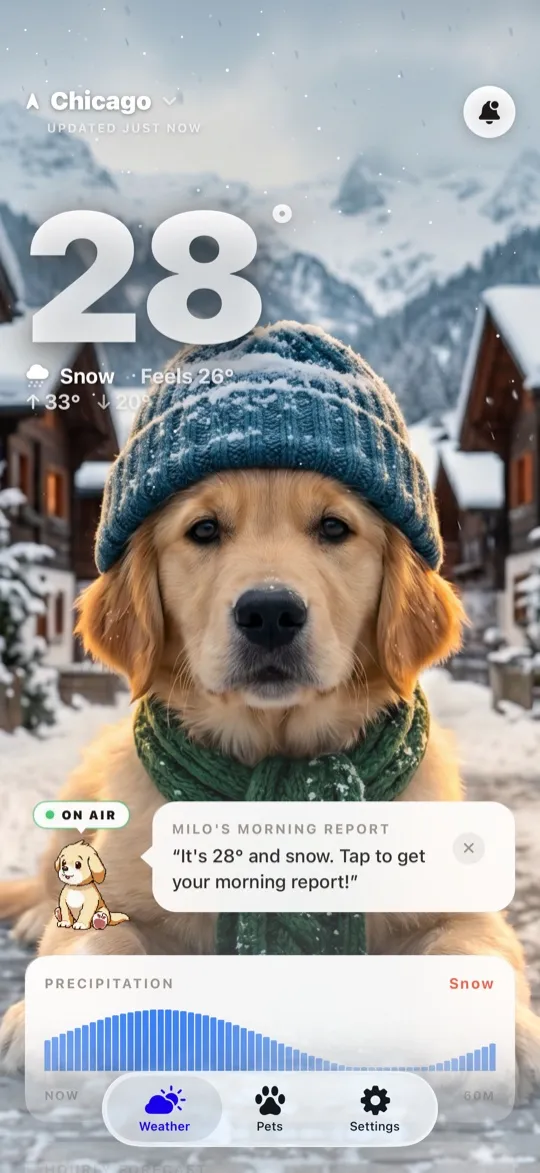
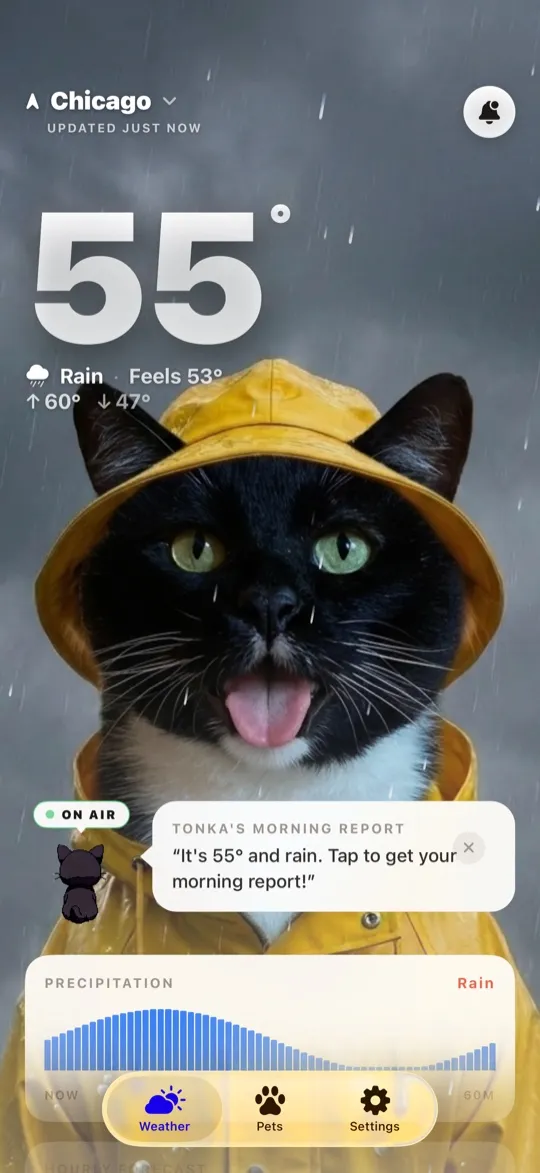
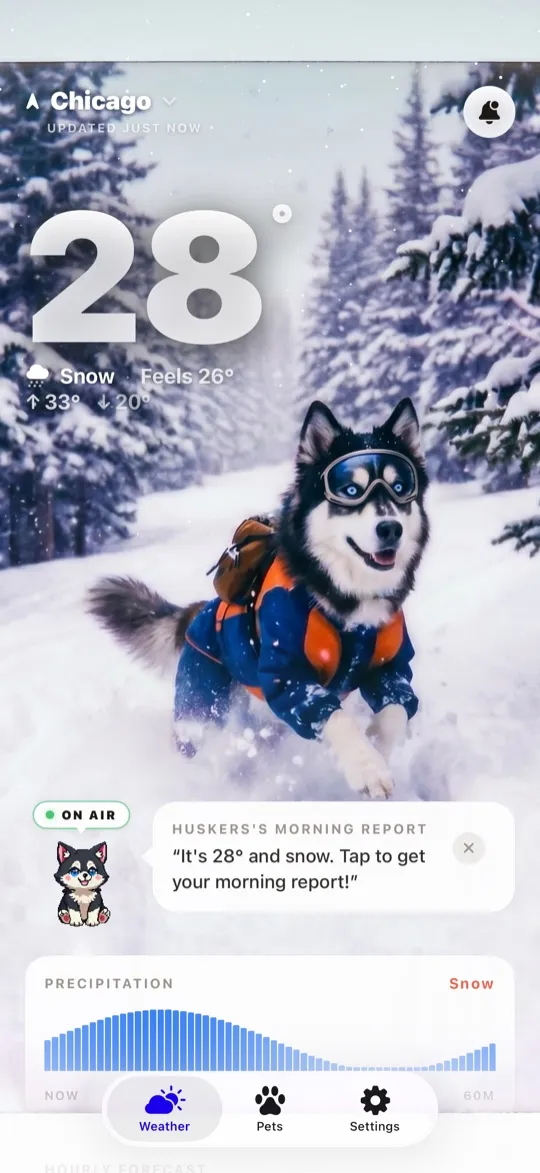
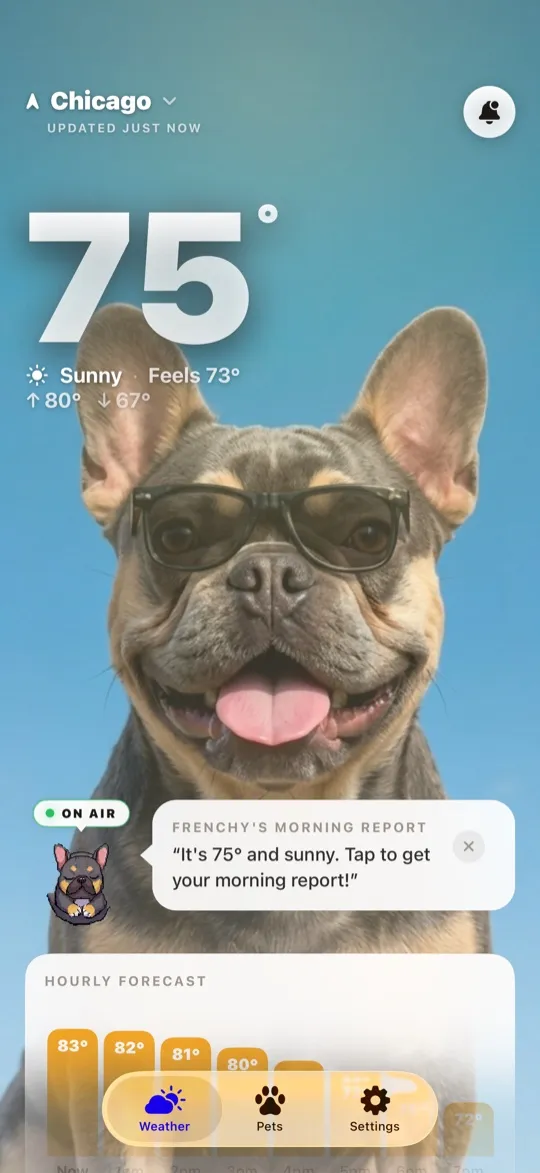
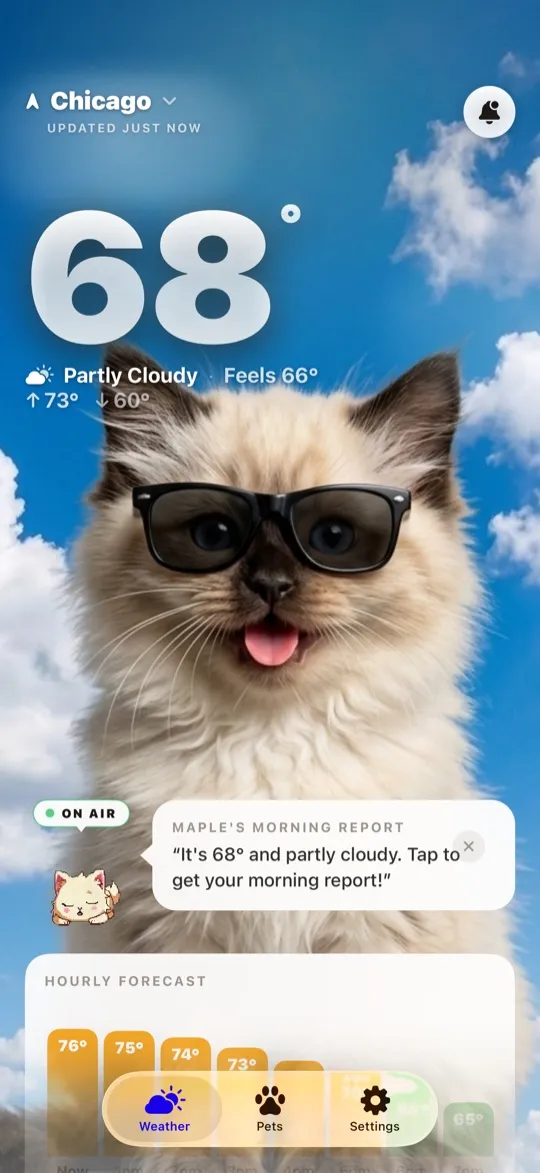
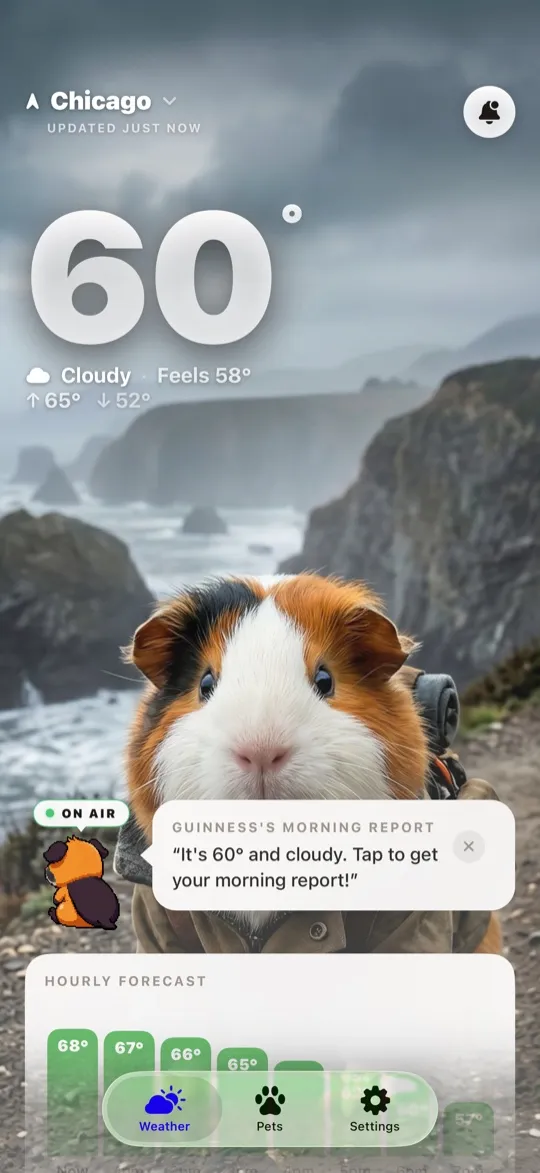
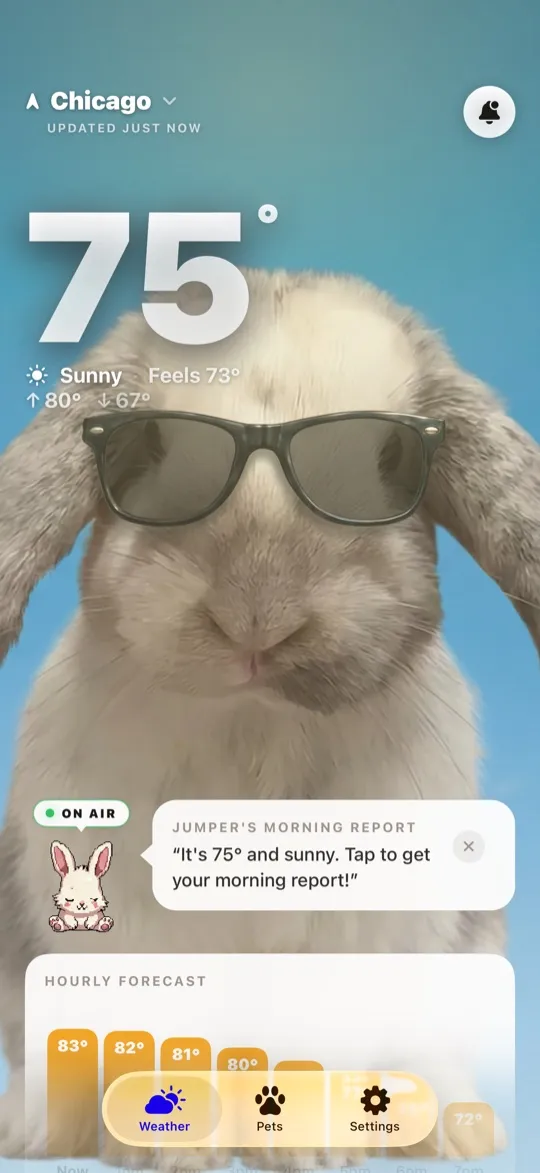
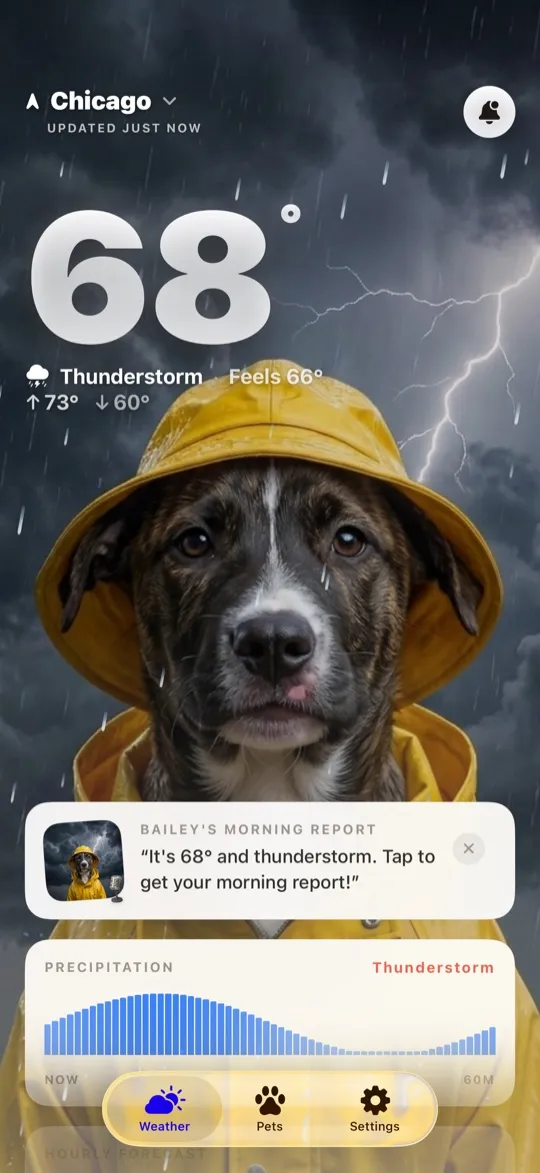
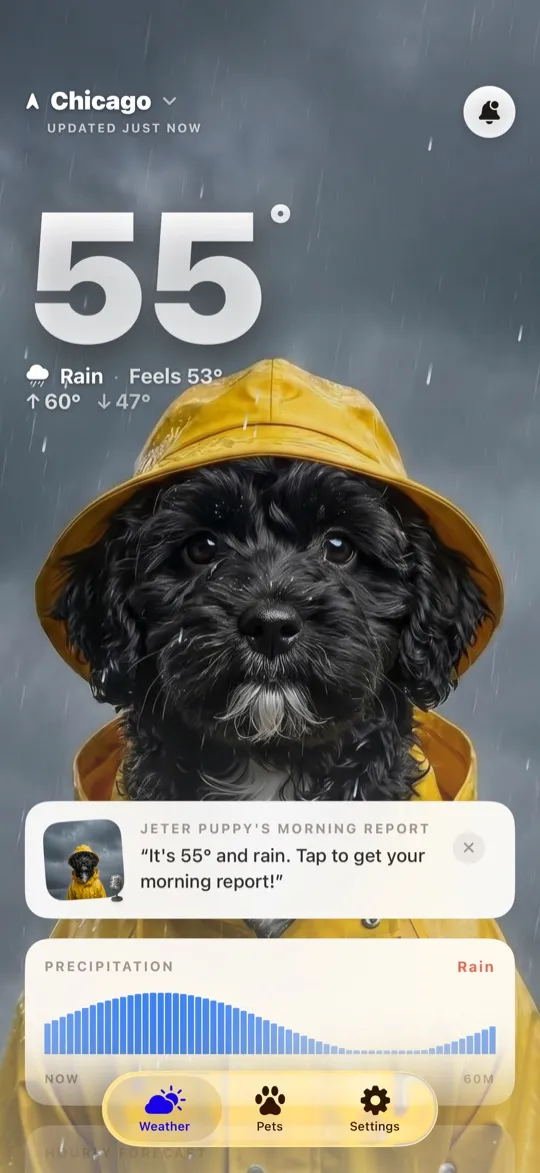
Dogs sweat through their feet, cool with their tongues, and lose the whole game when humidity spikes. So on muggy days, check the humidity and the feels-like number, not just the temperature, before deciding on the long walk. WeatherPets puts both in your pet's morning report, delivered by the one forecaster whose cooling system you now understand completely. Ten points if they are panting dramatically while reporting a heat advisory.
Gear that helps: an elevated mesh bed lets air move under a hot dog, cooling the belly the way a breeze cools a wet tongue, like the Coolaroo elevated dog bed. See our full picks in the best elevated dog beds for hot sleepers.
WeatherPets is an Amazon Associate and may earn from qualifying purchases, at no extra cost to you.
Your daily forecast, delivered by your own pet.