Why Is My Dog Panting So Much?
Some panting is just your dog being a dog: a happy, tongue-out, post-fetch heat dump. But panting is also the one signal that shows up for almost everything, from a warm afternoon to a genuine emergency. The trick is knowing which panting is a shrug and which is a phone-the-vet moment. Here is how to read it, backed by what veterinarians actually look for.
Key takeaways
- Panting is normal cooling. Dogs barely sweat, so they pant to move heat out through the tongue and airways.
- Match it to the moment. Panting after exercise, excitement, or on a warm day is usually fine.
- Worry when it does not fit. Heavy panting at rest, out of nowhere, or that will not stop is a red flag.
- Check the gums. Blue, purple, gray, or bright red gums with panting is an emergency.
- Heat is the fastest killer. Frantic panting plus weakness or drooling on a hot day can mean heatstroke. Act now.
How panting actually works
Dogs do not sweat to cool off the way we do. Their only sweat glands sit in the paw pads and do almost nothing for body temperature. So the real air conditioner is the mouth. Fast, shallow breaths pull air across the wet surfaces of the tongue, mouth, and upper airway, and evaporation carries heat away with every exhale. That is why a hot dog flattens its tongue into that wide, floppy shape: more surface area, more evaporation, more cooling. If you want the full physiology, we broke it down in do dogs sweat, and how they actually cool down.
Because panting is the cooling system, it also doubles as an early-warning system. Anything that raises body temperature, heart rate, stress, or pain can crank it up. The panting itself is rarely the problem. What matters is the why behind it.
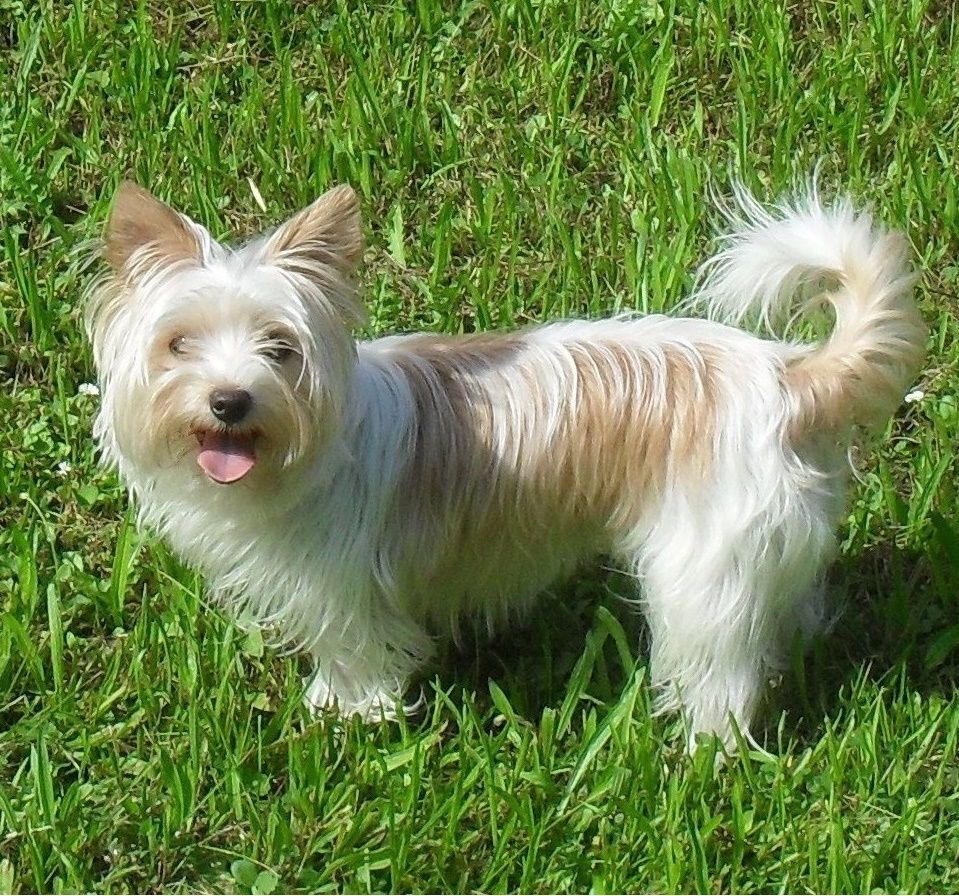
Normal panting: when it is nothing to worry about
Most panting is your dog's body doing exactly what it should. According to PetMD's overview of why dogs pant, the everyday reasons fall into a few buckets:
- Cooling down. After a walk, a play session, or on a warm day, panting is how heat leaves the body. It should ease as your dog rests and cools.
- Excitement. A dog that is thrilled about a walk, a visitor, or dinner will often pant. It is emotional, not medical, and it settles quickly.
- Mild, short-lived stress. A quick pant during a nail trim or a new environment is common and passes once your dog relaxes.
The theme: normal panting has an obvious cause, stays proportional to it, and fades when the trigger goes away. If your dog is panting hard, then flops down and breathes easy a few minutes later, that is the system working.
When panting means something is wrong
Excessive or unexplained panting is different. Heavy panting that does not match the temperature or the activity can point to a real problem. The common medical causes:
- Heatstroke. The most urgent one. Overheating drives frantic, nonstop panting and can turn deadly fast. More on the danger signs below.
- Pain. Dogs hide pain well, but panting is one of the leaks. A dog that pants at rest, especially with a hunched posture or reluctance to move, may be hurting.
- Anxiety and fear. Thunderstorms, fireworks, car rides, and vet visits all trigger stress panting. It is real distress, not drama. Our guide to calming thunderstorm anxiety in dogs covers what helps.
- Heart and lung disease. When the heart or lungs cannot move oxygen efficiently, dogs breathe harder to compensate, often at rest.
- Hormonal and metabolic conditions. Cushing's disease, common in middle-aged and older dogs, frequently shows up first as excessive, inappropriate panting.
- Medications. Steroids like prednisone are well known for increasing panting. If panting started with a new prescription, mention it to your vet.
Normal vs. concerning: a quick reference
| Type of panting | Typical trigger | What to do |
|---|---|---|
| Cooling | Warm day, after exercise or play | Offer water and shade; it should ease with rest |
| Excitement | Walks, visitors, mealtime | Nothing; it settles on its own |
| Anxiety | Storms, fireworks, car rides, vet | Reduce the trigger, create a calm space, plan ahead |
| Pain | Panting at rest, hunched, won't settle | Book a vet exam; do not wait it out |
| Illness (heart, lung, hormonal) | Resting or nighttime panting, no heat | Vet visit soon; track resting breathing rate |
| Heatstroke | Hot or humid conditions, exertion | Emergency: cool the dog and go to a vet now |
The heat connection: your most dangerous panting
On a hot or humid day, panting is doing double duty, and it can fail. Evaporation needs dry air, so when humidity climbs, a panting dog moves a lot of air for very little cooling. That is why a muggy 85 degree afternoon can be more dangerous than a dry 95 degree one. The American Veterinary Medical Association's warm-weather guidance warns that dogs can overheat quickly even in conditions that feel manageable to us.
Heatstroke panting does not look like happy panting. It is frantic and loud, with a wide flat tongue, thick ropey drool, and often bright red gums, wobbliness, vomiting, or a glazed stare. If you see that, treat it as the emergency it is: move to shade, offer cool water, wet the belly, paws, and ears, and get to a vet immediately. Learn the full pattern in our guide to dog heatstroke warning signs, and know your dog's limits before you head out with our too-hot-to-walk temperature guide.
Some dogs are stacked against the cooling system from the start. Flat-faced breeds pant inefficiently through compressed airways, thick double coats trap heat, and seniors and overweight dogs both make more heat and shed it slower. If your dog is in any of those groups, treat every hot-day rule as stricter.
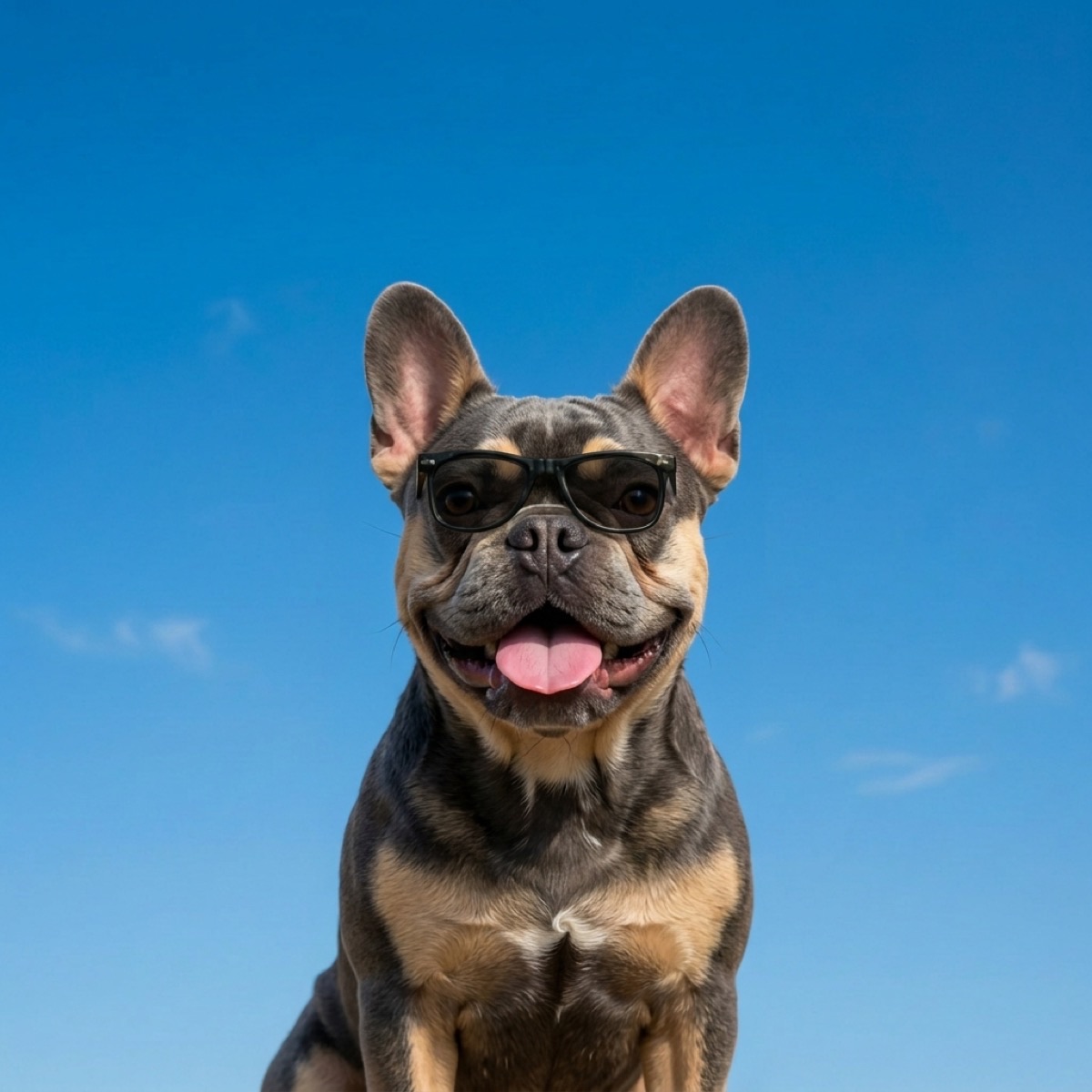
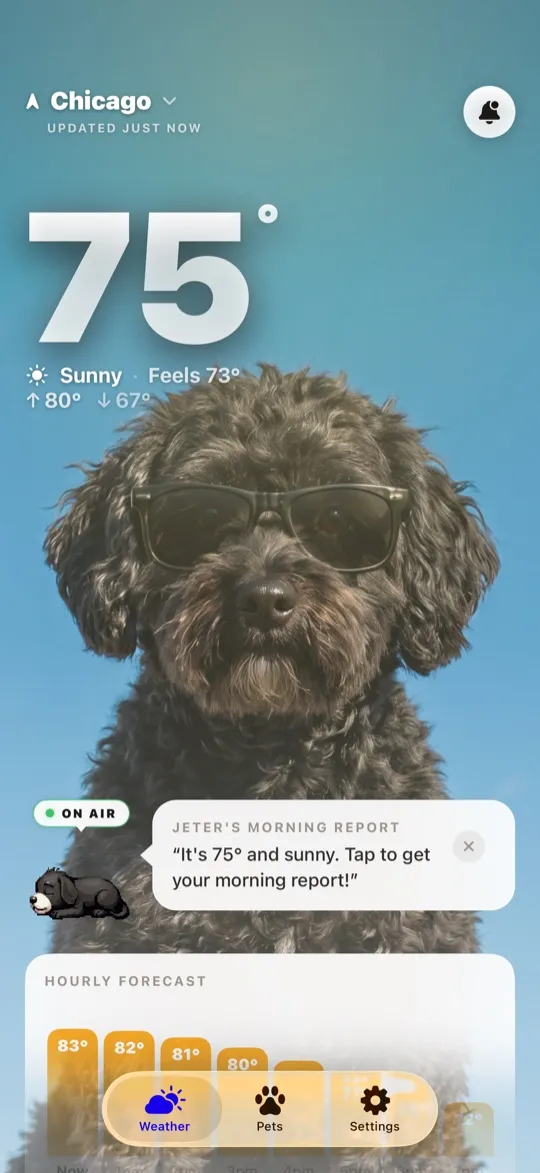
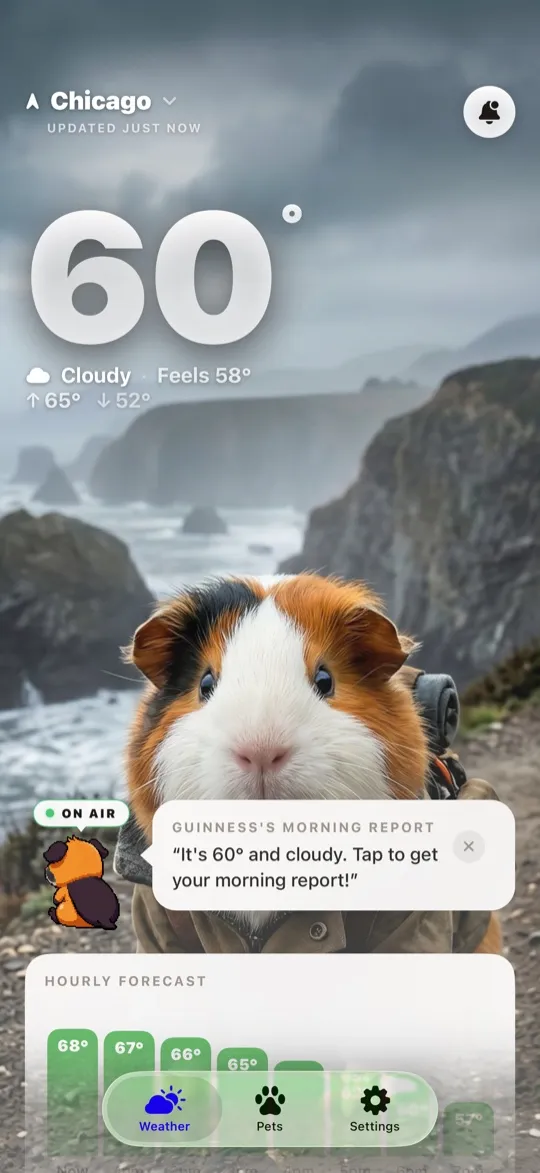
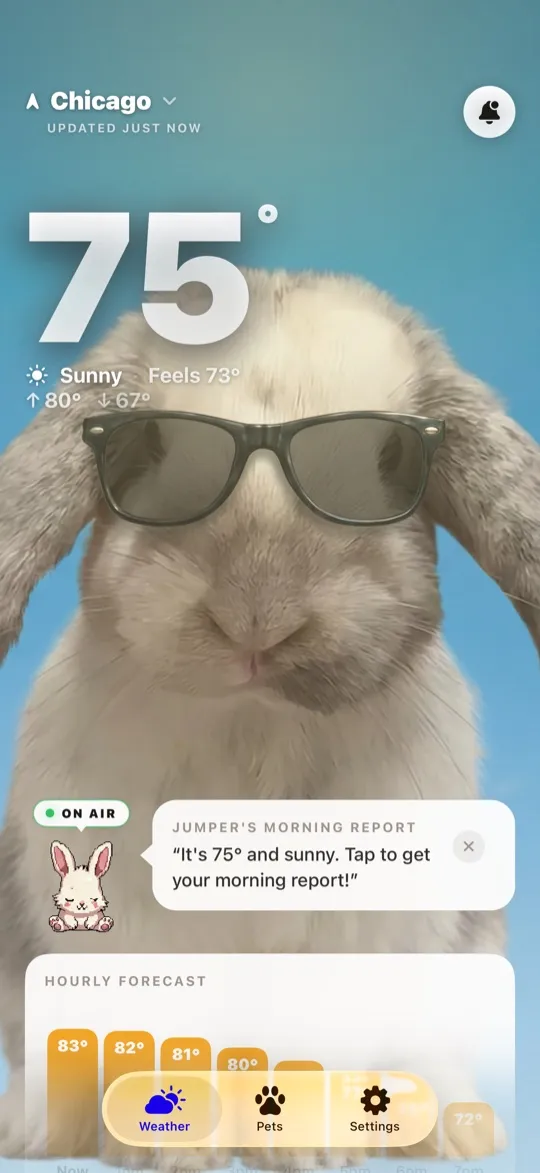
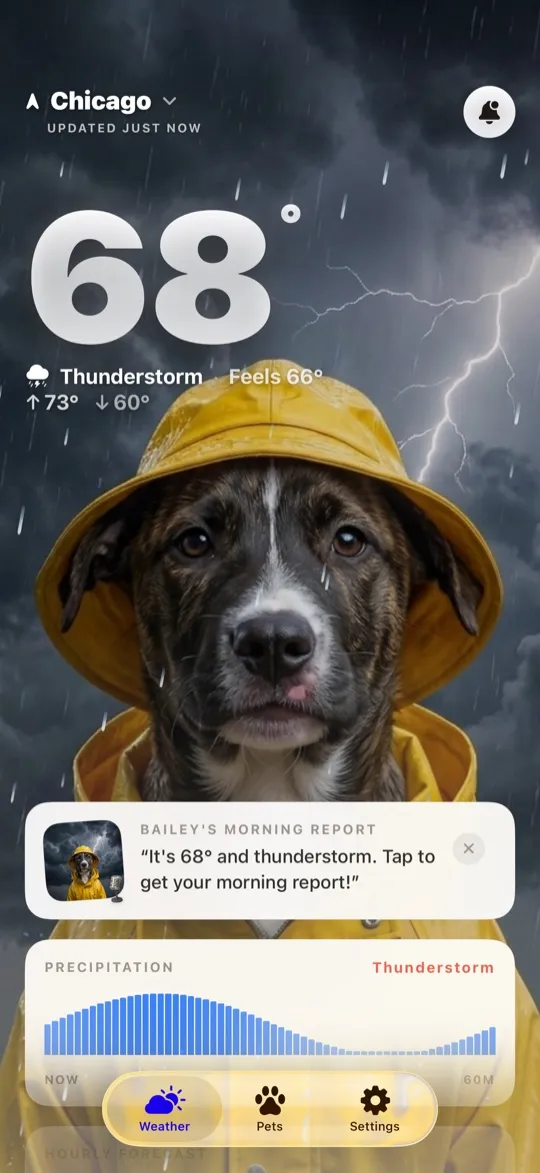
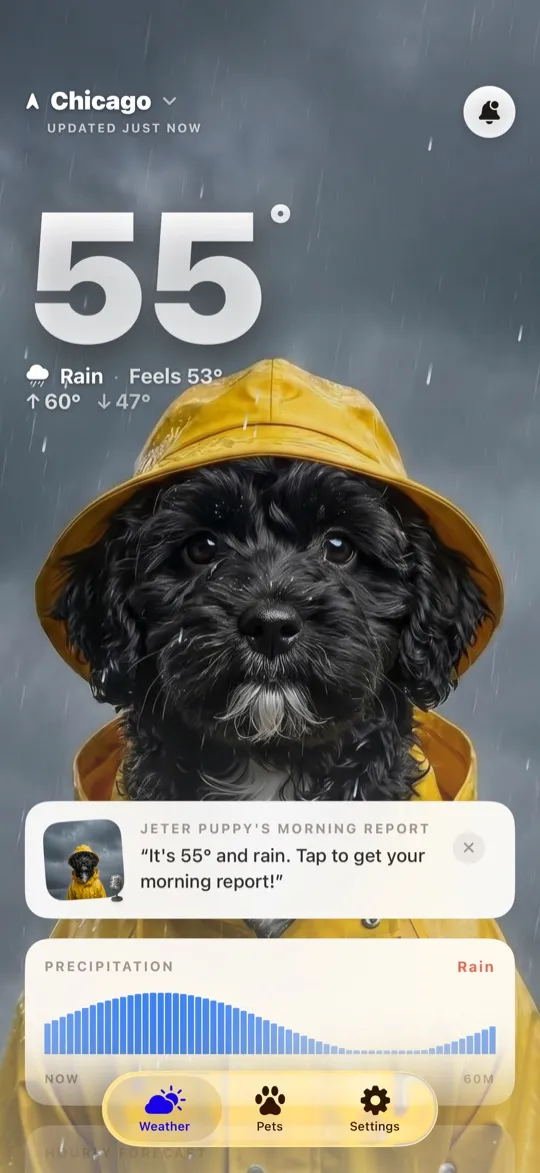
Heat and humidity are what turn ordinary panting dangerous, and both are easy to miss. WeatherPets puts the day's high and the feels-like number in your pet's morning report, so you can plan the walk before it gets risky. Meet your WeatherPet on the App Store.
How to check a resting breathing rate
One of the most useful things you can do at home is learn your dog's normal resting breathing rate, so you have a baseline to compare against. When your dog is calm or asleep, count the breaths (one rise and fall of the chest is one breath) for 30 seconds and double it. Per VCA Animal Hospitals' home breathing-rate guide, a healthy resting rate generally sits under about 30 to 35 breaths per minute. A resting or sleeping rate that is consistently higher than that is worth a call to your vet, even if your dog seems fine otherwise.
Jot the number in your phone. If your dog ever seems off, a quick recount gives your vet real data instead of a guess, and the earlier a cause is found, the better the outcome.
When to call the vet
Reach out to your veterinarian, or an emergency clinic after hours, if the panting:
- Starts suddenly for no clear reason and will not stop
- Happens at rest or during sleep, without heat or activity to explain it
- Comes with restlessness, drooling, weakness, collapse, or a bloated belly
- Sounds different than usual, or the tongue and gums shift to blue, purple, gray, or bright red
- Pairs with coughing, poor appetite, or a swollen abdomen
You know your dog better than anyone. If the panting simply feels wrong, that instinct is worth a phone call. Vets would always rather see a healthy dog than miss an early problem.
Gear that helps: a cooling mat gives a hot, panting dog a place to dump heat through the belly and paws, like The Green Pet Shop Cool Pet Pad. See the full lineup in the best cooling mats for dogs.
WeatherPets is an Amazon Associate and may earn from qualifying purchases, at no extra cost to you.
Frequently asked questions
Why is my dog panting so much when it's not hot?
Panting that does not match the temperature or activity is worth a closer look. Common non-heat causes are excitement, stress or anxiety, pain, and side effects of medications like steroids. Heart disease, lung disease, and hormonal conditions such as Cushing's disease can also cause panting at rest. If your dog pants heavily with no obvious trigger, call your veterinarian.
When should I worry about my dog's panting?
Treat panting as urgent if it starts suddenly for no reason and will not stop, happens while your dog is resting or asleep, is paired with restlessness, drooling, weakness, or collapse, or comes with gums that turn blue, purple, gray, or bright red. Any of these warrants an immediate vet or emergency visit.
Is it normal for a dog to pant at night or while resting?
A little panting at rest can be normal if the room is warm or your dog just moved around. But repeated, heavy panting during calm rest or sleep is not typical and can point to pain, anxiety, or a heart or breathing problem. Track a resting breathing rate: healthy dogs usually sit under about 30 to 35 breaths per minute when relaxed.
How can I tell if my dog is panting from anxiety or pain?
Anxiety panting usually lines up with a trigger such as fireworks, a thunderstorm, a car ride, or a vet visit, and it eases once the trigger passes. Pain panting tends to persist, may come with a hunched posture, reluctance to move, whining, or changes in appetite, and does not settle when the environment is calm. When in doubt, have a vet check for pain.
What does heatstroke panting look like?
Heatstroke panting is frantic and loud, with a wide, flat tongue and thick drool. It often comes with bright red gums, weakness, vomiting, or a dazed look. This is an emergency: move your dog to shade, offer cool (not ice-cold) water, wet the belly and paws, and get to a vet right away.
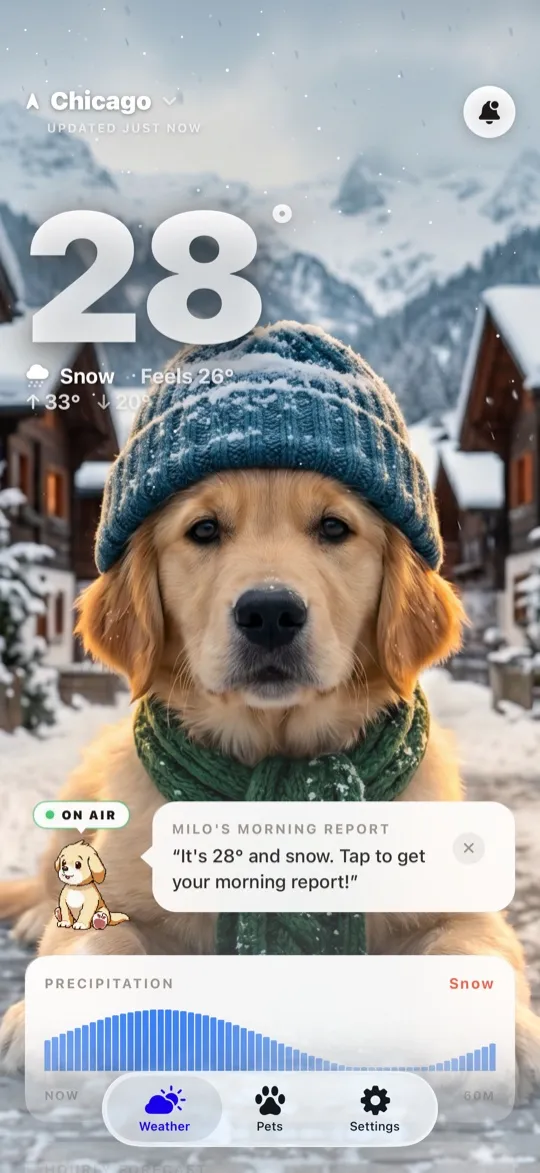
Heat is the factor that turns an ordinary day dangerous fastest, and it rarely announces itself. The Pet Safety Score in WeatherPets folds temperature, humidity, UV, and estimated pavement heat into one 0 to 100 read for your specific pet, so you know before you open the door. Meet your WeatherPet on the App Store.
Your daily forecast, delivered by your own pet.

A note on health: This article is general information, not a substitute for professional veterinary advice. If you are worried about your dog's breathing, or about any serious or emergency health concern, contact your veterinarian right away. Our guidance draws on trusted veterinary sources, including those linked above.
