Dog Heatstroke Treatment Cost
Nobody plans for this one. You take the dog out on a warm afternoon, it goes wrong faster than you expected, and a few hours later you are at an emergency clinic counter looking at a number. Heatstroke is one of the few pet emergencies that is almost entirely preventable, and one of the most expensive when it is not. Here is what the bill actually looks like, what drives it, and the habits that keep you out of that room.
Key takeaways
- Straightforward cases run about $500 to $1,000. That covers the exam, active cooling, IV fluids, and bloodwork.
- Severe cases run into the thousands. Multi-day intensive care, plasma, and organ support are what turn a four-figure bill into a five-figure one.
- Speed changes both the bill and the odds. Delayed hospital arrival is linked to worse outcomes, and sicker dogs stay longer.
- Most owners are not financially ready. Only about 1 in 10 has savings set aside for a pet emergency.
- Prevention costs almost nothing. Shade, water, timing the walk, and never leaving a dog in a car are free. The bill is what they save you from.
What heatstroke treatment actually costs
There is no single price, because heatstroke is not a single condition. It runs from a dog who overheated on a walk and bounced back after a few hours on fluids, all the way to multi-organ failure. Treatment scales with the damage, and so does the invoice.
Published veterinary cost guides generally put uncomplicated heatstroke treatment in the $500 to $1,000 range. That reflects the emergency exam fee, active cooling, intravenous fluids, and baseline bloodwork to check organ function. From there it climbs. According to Fortune's reporting on Rover's 2026 Cost of Dog Parenthood Report, a typical emergency visit starts around $300 and reaches roughly $4,000 once diagnostics and an overnight stay are involved, with specialty surgeries running $5,000 to $8,000 and beyond.
Here is a realistic way to think about the tiers:
| Severity | What treatment usually involves | Typical cost range |
|---|---|---|
| Mild, caught early | Exam, cooling, IV fluids, basic bloodwork, a few hours of monitoring | $300 to $1,000 |
| Moderate | Overnight hospitalization, repeat bloodwork, anti-nausea and gastrointestinal support | $1,000 to $4,000 |
| Severe | Multi-day intensive care, plasma or clotting support, kidney and liver monitoring, oxygen | $5,000 and up |
| Follow-up care | Recheck bloodwork, kidney diet, medications after discharge | $150 to $600 |
Treat those as orientation, not quotes. Emergency pricing varies by region and by whether you land at a general practice, a corporate emergency center, or a teaching hospital. Always ask for a written estimate up front.
Why the bill climbs so fast
Heatstroke is expensive because it is not really a temperature problem. It is a whole-body problem that a high temperature sets off. Once a dog's core temperature climbs far enough, heat starts damaging cells directly, the gut lining leaks, and the clotting system can spiral into disseminated intravascular coagulation, a dangerous state where blood clots and bleeds at the same time.
That is why the treatment list gets long. As Today's Veterinary Practice explains in its clinical review of canine heatstroke, complications can include acute kidney injury, liver damage, neurological signs, rhabdomyolysis (muscle breakdown), respiratory distress, and clotting failure. Each needs its own monitoring and its own intervention, so a dog on plasma with round-the-clock ICU nursing is not being overtreated. That is the standard of care for a critically ill patient.
The other hard truth is that outcomes are genuinely serious. Veterinary literature reports mortality around 50 percent in dogs presenting with heatstroke even with prompt cooling and intensive supportive care. This is not a condition where waiting it out at home is a reasonable gamble.
Why every vet bill feels heavier right now
If it seems like veterinary care costs more than it used to, you are not imagining it, and this has become one of the loudest conversations in the pet world this summer. Ownership of veterinary practices has shifted substantially toward corporate and private-equity groups over the past decade, a trend that PBS NewsHour reported is drawing scrutiny for its effect on what owners pay, particularly at emergency and specialty hospitals.
The strain shows up in the data. A PetSmart Charities-Gallup State of Pet Care study of nearly 2,500 dog and cat owners found that 52 percent had skipped or declined veterinary care in the past year, and 71 percent of those pointed to cost as the reason. The Rover report adds the other half of the picture: 38 percent of owners could not cover an emergency visit without taking on debt, and only about 10 percent have savings earmarked for one.
None of that is a reason to avoid the vet. It is a reason to shift your money and attention upstream, toward the part you control. Preventing a heat emergency costs a bottle of water and a change in walk timing. Treating one costs a month of rent.
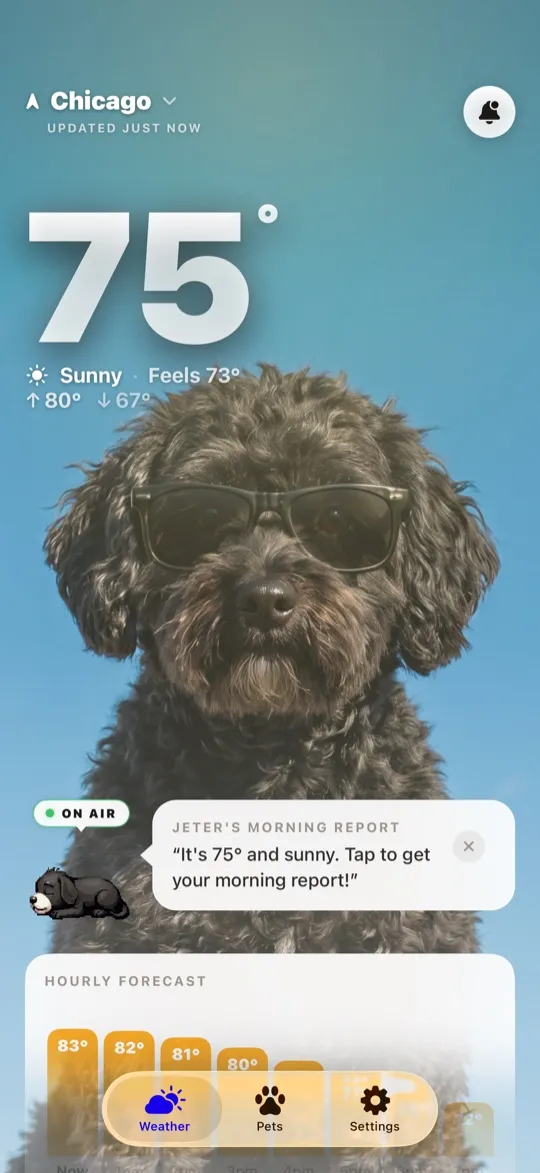
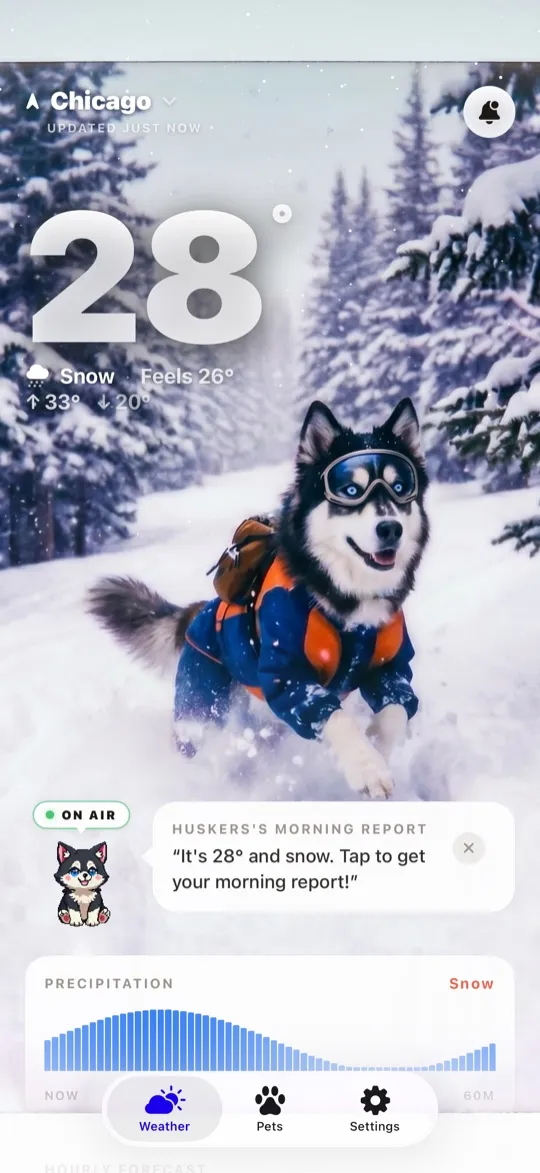
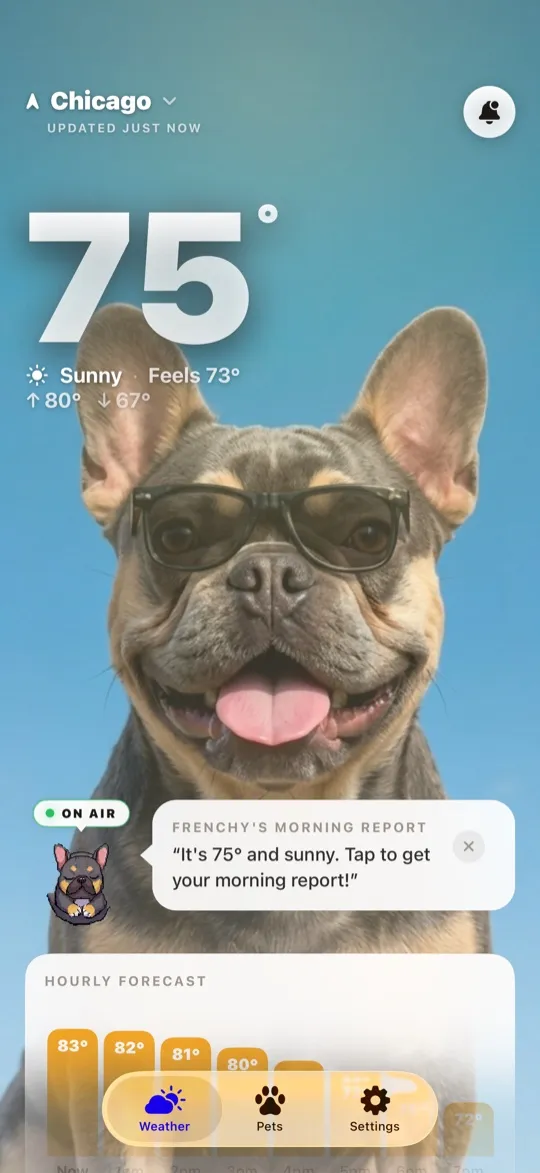
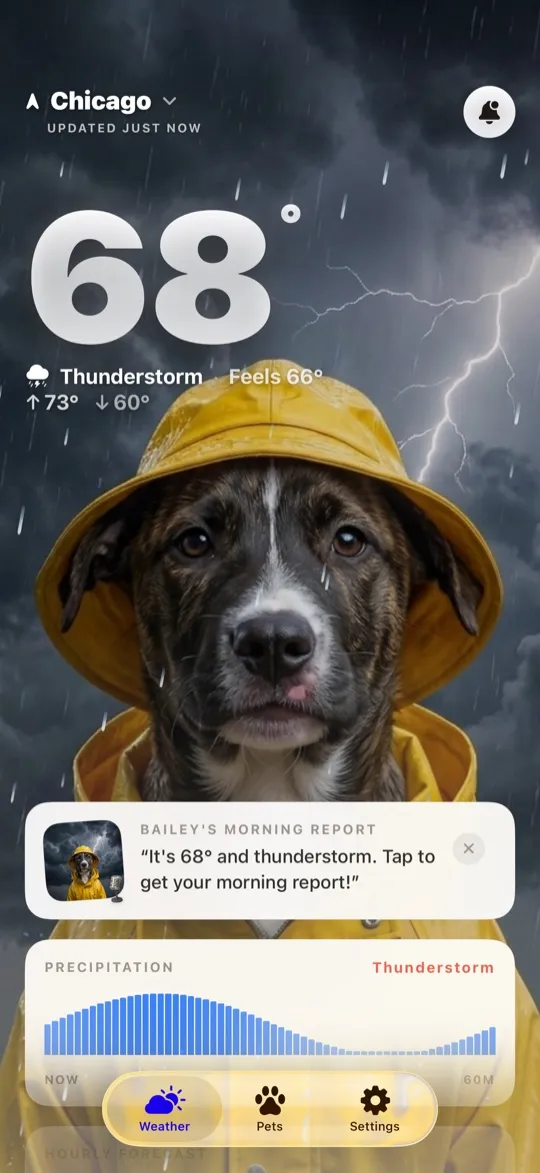
Heatstroke almost always starts with a normal-looking day and a walk that went out an hour too early. WeatherPets puts the day's high and the feels-like number in your pet's morning report and tracks conditions with a Live Activity, so you can move the walk before the risk shows up. Meet your WeatherPet on the App Store.
The cheapest thing you own is the clock
If there is one number worth remembering: veterinary research identifies a delay to hospital admission of more than roughly 90 minutes as a factor associated with worse outcomes, alongside low blood sugar and abnormal clotting on arrival. Time is not just a survival variable, it is a cost variable. A dog who arrives early and stable often needs a few hours of fluids. A dog who arrives late needs days of intensive care.
So the most valuable thing you can do in the moment is refuse to wait and see. Start cooling immediately: get your dog into shade or air conditioning, wet the belly, paws, groin, and ears with cool (not ice-cold) water, get air moving over the wet fur, and offer small amounts of water if your dog is alert enough to drink. Then drive, and call the clinic on the way so they can prepare.
Do not skip the visit because your dog perked up. Internal damage to the kidneys and clotting system can declare itself hours after your dog looks normal again, and by then you are treating organ failure instead of preventing it. The PetMD guide to heatstroke in dogs is clear that apparent recovery is not the same as recovery.

The prevention math is not close
Almost every dollar in this article is avoidable. The American Veterinary Medical Association's warm-weather safety guidance is unglamorous and extremely effective. The habits that keep you out of the emergency room:
- Walk early or late. Move exercise to the coolest ends of the day and shorten it when humidity is high. Panting cools by evaporation, so muggy air makes an 85 degree day riskier than a dry 95 degree one.
- Check the pavement, not just the air. Press the back of your hand to the sidewalk for seven seconds. If you cannot hold it, neither can their paws.
- Never leave a dog in a parked car. Not with the windows cracked, not for five minutes. Interior temperature climbs dangerously fast.
- Bring water everywhere. A collapsible bowl and a full bottle cost less than a single recheck appointment.
- Know your dog's real threshold. Flat-faced breeds, double-coated breeds, seniors, puppies, overweight dogs, and dogs with heart or airway disease all overheat well below what a healthy young dog tolerates.
- Let them stop. A dog will run itself into heatstroke to keep playing with you. You are the one who has to call it.
For the full playbook, our heat wave pet survival guide and the safe walking temperature guide cover the thresholds in detail, and dog heatstroke warning signs covers what the early stages look like before it becomes an emergency.
Does pet insurance cover heatstroke?
Generally yes. Heatstroke is a sudden accidental event rather than a chronic or hereditary condition, so most accident and illness policies cover it. The realistic expectations are worth setting, though. You still pay your deductible and your share of the co-insurance. In almost all cases you pay the clinic in full and get reimbursed afterward, so you need the cash or credit available on the night. And no policy covers anything that started before your coverage began or during the waiting period, which means insurance bought during a heat wave does not help with that heat wave.
If insurance is not the right fit, a dedicated savings buffer does similar work. Even a few hundred dollars set aside changes the decisions available to you at 11pm on a Saturday.
If you are facing a bill you cannot pay
Say so early and without embarrassment. Veterinary teams have this conversation constantly, and they cannot plan around a budget they do not know about. Practical steps:
- Ask for a written estimate before treatment starts, and ask them to separate what is essential right now from what can wait or be staged.
- Ask about payment options. Many clinics accept medical credit lines such as CareCredit or Scratchpay, and some offer in-house plans.
- Look at charitable funds. RedRover Relief, The Pet Fund, and breed-specific rescue funds assist in qualifying cases.
- Consider a nonprofit, shelter, or veterinary teaching hospital, which are often meaningfully less expensive than a private emergency center.
- Do not disappear. In the Rover data, 14 percent of owners who refused a veterinary recommendation reported their pet worsened or died.
Gear that helps: a cooling mat gives a hot dog somewhere to dump heat through the belly and paws, and it is roughly the price of a co-pay, like The Green Pet Shop Cool Pet Pad. See the full lineup in the best cooling mats for dogs.
WeatherPets is an Amazon Associate and may earn from qualifying purchases, at no extra cost to you.
Frequently asked questions
How much does it cost to treat heatstroke in a dog?
Published cost guides commonly put uncomplicated heatstroke treatment at roughly $500 to $1,000, covering the exam, cooling, IV fluids, and bloodwork. Cases that need intensive care, plasma, or several days of hospitalization frequently run into the thousands. Rover's 2026 Cost of Dog Parenthood Report puts a typical emergency visit at around $300 to start, rising to about $4,000 with diagnostics and an overnight stay. Your exact bill depends on severity, how quickly you arrived, and local emergency pricing.
Does pet insurance cover heatstroke in dogs?
Most accident and illness policies do cover heatstroke, because it is a sudden accidental event rather than a chronic condition. You still pay your deductible and your co-insurance share, and reimbursement arrives after you have paid the clinic. The important limitation is timing: no policy covers a condition that began before your coverage started or during a waiting period, so a policy purchased in the middle of a heat wave will not help with today's emergency. Read your specific policy before you need it.
Why are emergency vet bills so expensive now?
Emergency clinics carry costs a regular practice does not: overnight staffing, on-site diagnostics, oxygen, and intensive care equipment held ready around the clock. On top of that, ownership of veterinary practices has shifted substantially toward corporate and private-equity groups, a trend PBS NewsHour has reported is drawing scrutiny over its effect on prices. The result is real strain on owners. A PetSmart Charities-Gallup study found 52 percent of US pet owners skipped or declined veterinary care in the past year, and 71 percent of those cited cost.
How fast do I need to get my dog to a vet for heatstroke?
Immediately. Start cooling on the way, but do not wait to see if your dog improves. Veterinary literature identifies a delay to hospital admission of more than about 90 minutes as a factor associated with worse outcomes, and heatstroke can damage the kidneys, liver, gut, and clotting system even after your dog looks better. Every minute you shave off the delay improves the odds and usually shortens the hospital stay.
What can I do if I cannot afford an emergency vet bill?
Say so immediately and clearly, before treatment begins. Ask for a written estimate and ask the team to triage it into what is essential now versus what can wait. Many clinics accept medical credit lines such as CareCredit or Scratchpay, some offer in-house payment plans, and charitable funds like RedRover Relief and The Pet Fund help in qualifying cases. Nonprofit and teaching hospitals are often less expensive than a private emergency center. Being upfront gives the veterinary team room to build a plan you can actually pay for.
Heat is the factor that turns an ordinary day dangerous fastest, and it rarely announces itself. The Pet Safety Score in WeatherPets folds temperature, humidity, UV, and estimated pavement heat into one 0 to 100 read for your specific pet, so you know before you open the door. Meet your WeatherPet on the App Store.
Your daily forecast, delivered by your own pet.







A note on health: This article is general information about costs and care, not a substitute for professional veterinary advice, and the figures here are orientation rather than quotes for your clinic. If you think your dog is overheating or you are facing any serious or emergency health concern, contact your veterinarian right away. Our guidance draws on trusted veterinary sources, including those linked above.